Private Label Lip Balm: Stick, Tube and Jar Decisions Before Sampling
Quick answer
- Choose a stick, tube or jar for the intended use, then review its formula, component and filling requirements as one pairing.
- For samples approved for lip use, give each evaluator a separate sample. Compare glide, payoff, shine and pack function under consistent conditions, recording sample and component versions.
- Prepare your target market, preferred pack, quantity and decoration brief before quotation. Confirm sample terms and the relevant quality evidence with the supplier.
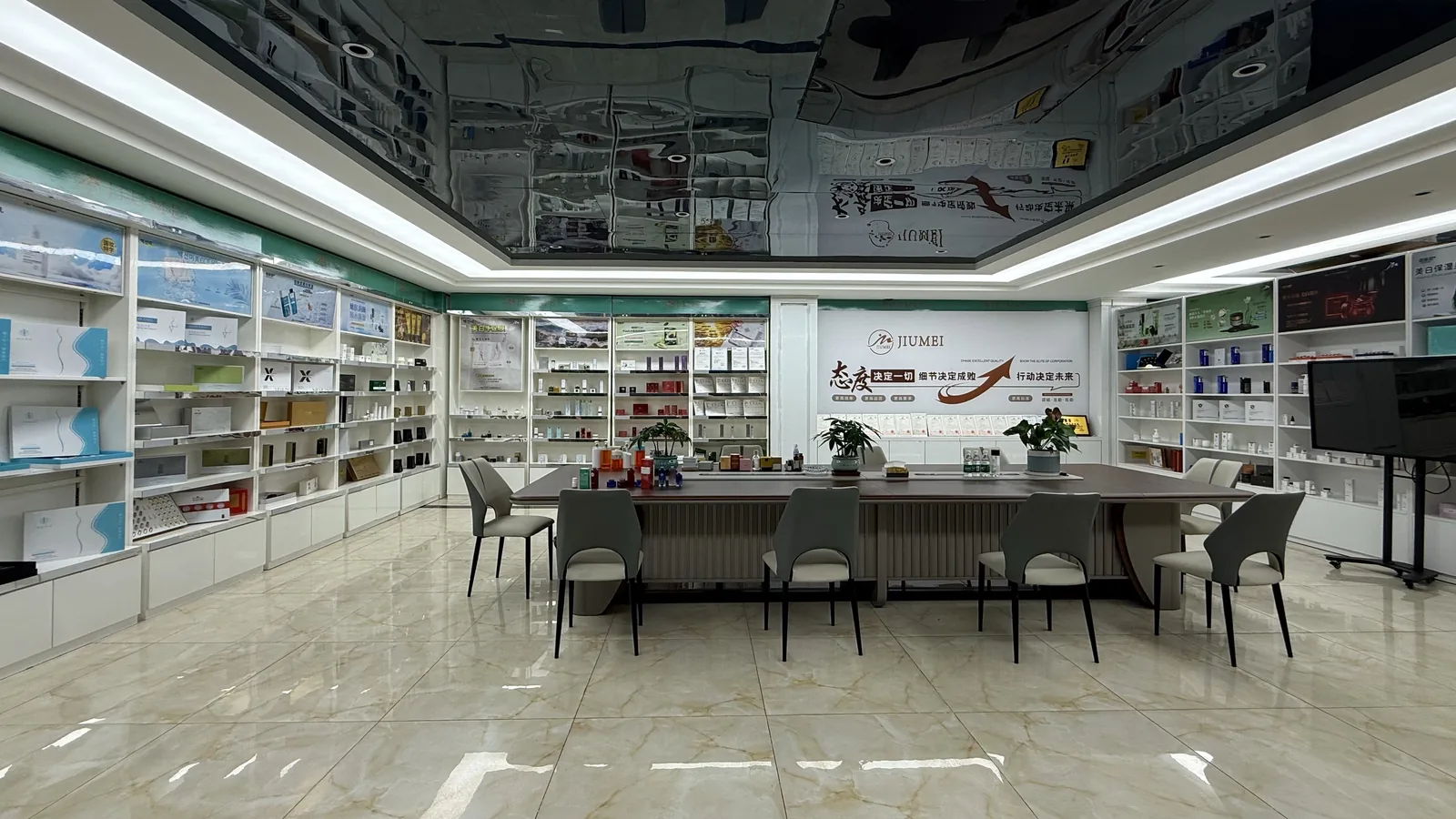
 GZ Cosmetics Lab
Before you choose between a stick, a soft tube and a jar for a private label lip balm, fix three things in writing: the exact sample you are judging, the conditions you will judge it under, and the component version it was filled into. A sample code, a defined test routine and a named component (supplier, part number or drawing, material, closure) turn a vague "I like this one" into a decision you can repeat and hand to a supplier. This guide covers basic uncolored, non-SPF lip care only. Tinted, SPF or claim-led products follow a separate review and are outside its scope.
Start with the sample record, not the package
Many sampling problems start before anyone opens a sample. A brand tries three balms on different days in different rooms, then compares memories. Weeks later nobody can say which formula version was in which pack. Give every sample a code and log, at minimum:
- Formula reference and version as the supplier issued it, not your own nickname for it.
- Batch or lot number of the bulk the sample came from.
- Format and component reference, meaning the specific stick, tube or jar, with its supplier part number or drawing, material and closure.
- Fill date and the date you received it, so you know how old the sample was when you assessed it.
- How it travelled and was stored, because transport and storage can change how a balm looks on arrival.
Manufacturing sites apply the same discipline to their materials. FDA's GMP guidelines and inspection checklist for cosmetics ask, among other things, whether raw materials and packaging are identified by identity, lot and control status, and whether materials that miss acceptance specifications are kept out of use. That document is a self-inspection guide. It is not a test protocol for your product and does not approve any company, but it shows that identity and version records are basic practice.
Stick, soft tube or jar: what each format asks of the formula
A lip balm formula and its pack work as a pair. The same bulk can behave well in one format and poorly in another, because each format makes different demands on hardness, flow, filling and contact. No format is best in general; the choice depends on intended use and on what the actual samples show. Send the questions below to your supplier, and expect answers from their own formulation and filling review with the specific component in hand.
Stick (twist-up)
When extended for use, the exposed part of a stick has less lateral support from the barrel. The balm must resist bending or snapping during its intended application while still transferring a film.
Questions to ask:
- Twist mechanism. Does the mechanism raise and lower the balm smoothly across its full travel? Does the bullet stay seated in the cup, or can it pull out when retracted?
- Support and diameter. Is the balm diameter matched to this specific barrel and cup? A thinner or wider bullet in the same tube changes how much support it gets.
- Cap and fit. Does the cap seat fully without touching or marking the balm surface? Is there a click or friction fit, and does it hold when the stick is carried in a bag?
- Filling route. Which filling and cooling approach would the supplier use, and have they run it on this component before, or would it be a new trial?
- Surface. What finish should you expect on the bullet top, and is shrinkage from the barrel wall expected after cooling?
Soft squeeze tube
In a tube the balm has to move: flow through the orifice under light pressure, stop cleanly, and not separate or harden inside over time.
Questions to ask:
- Dispensing. How much pressure is needed to get product out, and does the amount stay consistent from a full tube to a nearly empty one?
- Orifice and tip. What tip shape and opening size is planned, for example a slanted applicator or a round nozzle? Does product string, drip or leave a ring around the opening after use?
- Seal and closure. How is the tube end sealed, and has that seal been checked with this formula? Does the cap close tight enough to stop the tip drying out or leaking?
- Tube material. What is the tube wall made of, and has the supplier considered whether the formula's oils or fragrance could interact with it?
- Leftover product. How much is likely to stay in the tube at the end of normal use?
Pot or jar
A jar changes the structural and dispensing demands: the formula must stay usable in the container and lift out easily, rather than hold an exposed stick shape or flow through a nozzle. Users may pick it up with a clean finger or an intended applicator, so the formula and closure review should consider that contact pattern.
Questions to ask:
- Pick-up. Can a finger lift product without digging? Does the surface stay usable after repeated scooping, or does it crater, sweat or harden?
- Closure. Is it a screw cap, slide tin or hinged lid, and does it close reliably over the full product life? Does a liner or wad touch the balm surface?
- Contact conditions. Because the product is touched directly and repeatedly, ask the supplier how this use pattern has been considered in their review of the formula's protection against contamination. Do not assume that a low-water or anhydrous balm is exempt from this question. Our explainer on cosmetic preservatives covers why that decision belongs to a qualified formulator and why it should not be assumed.
- Material. Glass, plastic or metal containers behave differently. Ask what material is proposed and whether the supplier has paired it with this formula before.
Format comparison at a glance
Use this table to organize supplier answers, not to pick a winner. Record the sample code next to anything you confirm.
| Decision point | Stick (twist-up) | Soft squeeze tube | Pot or jar |
|---|---|---|---|
| What the formula must do | Resist bending in the exposed section while transferring a film | Flow through the orifice under light pressure and stop cleanly | Pick up on a fingertip and keep a usable surface |
| Main component questions | Twist travel, bullet seating, barrel diameter, cap fit | Orifice size and tip shape, end seal, cap closure, wall material | Closure type, liner contact, container material, fill level |
| What to watch on samples | Bending, snapping, surface marks from the cap, pull-out on retraction | Stringing, drip, ring at the tip, dispensing change as the tube empties | Cratering, sweating, hardening of the surface, lid seal |
| Filling questions for the supplier | Which filling and cooling route, and has it been run on this component? | How is it filled and sealed, and on which equipment? | Fill method and how the top surface is finished |
| What a change of component affects | Support and fit, so prior stick samples may not apply | Seal, dispensing and wall contact, so prior tube results may not apply | Closure and contact, so prior jar results may not apply |
Our custom lip balm development page describes the basic uncolored, non-SPF direction we can review with brands. It lists stick, soft tube and pot as alternatives to review, not as stock items or confirmed lines. Each one needs its own formula, filling, component and closure review before a supplier can say it suits your project.
Compare samples under the same conditions
First confirm in writing whether a sample is approved for lip application or only for appearance and component handling. For lip-use samples, follow the supplier’s directions and any suitability restrictions. Compare only within that stated purpose, under consistent conditions. A practical routine:
- Use individual samples. Give every evaluator their own labeled lip-use sample; do not share applied samples, applicators or jars.
- Let samples rest in the same room before opening, and note roughly how warm and humid it is.
- Start with clean lips and use the same application method for every sample, for example a set number of passes for a stick, a similar amount for tubes and jars.
- Compare one sample at a time, using the supplier-approved method and allowing the instructed interval or removal steps between products. If several approved assessors take part, vary the order and record it.
- Write down observations straight away, using the same words each time.
Four observations matter most for a basic balm:
- Glide. How easily the product moves across the lips. Does it drag, skip or spread smoothly?
- Payoff. How much product transfers per pass.
- Shine. How glossy or matte the film looks right after application and a little later.
- Residue. What is left after a while. Does it feel waxy, sticky, greasy or almost gone, and does it mark a cup?
Also record what the pack does: how the stick twisted, how the tube dispensed, how the jar opened and whether the surface looked the same as on arrival.
Sensory notes tell you which sample feels and looks closest to your brief. They are not evidence that a product is safe, stable or effective, and they do not support any claim on the label. Do not design your own safety, microbiological, irritation or efficacy study, or ask friends or staff to test lip reactions. A supplier-approved sensory review is a preference exercise, not a safety or claims study. Those questions belong to the supplier and appropriately qualified assessors.
Changing the component changes the evidence
A formula accepted in one pack is not automatically accepted in another. If you liked a formula in a stick and now want it in a tube, or you swap one stick supplier for another with a slightly different barrel, the original sample no longer represents the product. The new component can change how the balm sets, is supported or dispensed, what it touches and how it is sealed. Reports and observations tied to the original pack describe only that pack.
Formula changes work the same way. A new fragrance, a different wax source or a hardness tweak for a tube can make earlier samples and records out of date.
The simplest protection is a version index: one table that links every sample to the formula version, component, batch and any report that refers to it. When something changes, you add a new row instead of overwriting the old one. When a supplier says a result "covers" your product, you can check which pairing it was based on. For deeper reading on how pack and formula interactions are assessed, see our article on packaging compatibility testing for pumps, droppers and airless packs.
Keep three kinds of quality evidence separate
Brands often bundle everything into "the sample passed." Keep three questions apart, because different people answer them with different evidence.
1. Sensory and component function. Does it feel right, and does the pack work? Your own structured observations belong here, and they tell you about preference and basic usability.
2. Stability and compatibility. Does the formula hold up over time in this specific pack, and do the formula and component get along? This covers changes in appearance, odor or texture, separation or sweating, and whether the pack deforms, leaks or interacts with the product. The supplier defines the conditions, duration and acceptance criteria for their review. This article deliberately gives no fixed temperatures, durations or pass thresholds, because the right plan depends on the formula, the component and the intended market.
3. Lip-use safety and specific claims. Is the product suitable for use on the lips under normal conditions, and can any claim you want to make be supported? This rests on the formula, its ingredients and their documentation, and assessment by qualified people under the rules of your target market. A balm being low-water or anhydrous does not, by itself, settle the question of preservation or testing. Words such as "long-lasting moisture", "for sensitive lips" or "natural" are claims, and claims need their own support before they go on a label.
When you ask a supplier for documentation, ask which of these three questions each document answers and which formula and component version it refers to.
Questions to settle in writing before quoting
Many private label lip balm misunderstandings are about scope rather than formula. Put these in writing before you ask for a quotation, and record who confirmed each answer.
- Fragrance or flavor. Unflavoured, or a specific scent? Is the fragrance chosen by you or proposed by the supplier, and does each scent count as a separate formula version?
- Colour. This guide covers uncolored balm. If you want any tint, treat it as a separate project that needs its own review. Do not assume it is a small add-on.
- Pack variants. One format or several? Record cap colors, decoration and labels as component variants too, and ask whether their materials or processing affect the approved pairing. A different barrel, tube or jar requires a new component review.
- What the quote is based on. Is pricing per SKU (formula plus component plus decoration), or are formula and components quoted separately? Who sources the component, and who is responsible if it does not suit the formula?
- Who confirms what. Who approves the final sample, who approves artwork, and who is responsible for label content and claims in your target market?
You can share target quantities, budget and launch timing in the first conversation. Treat the supplier’s MOQ, price, schedule and sample terms as provisional until the relevant project assumptions are reviewed and confirmed.
A brief and sample record you can fill in
This table combines the project brief (first eight rows, filled in before you request samples) and the sample record (remaining rows, one copy per sample).
| Field | What to write | Why it matters |
|---|---|---|
| Product description | Basic uncolored, non-SPF lip balm, plus one line on the feel you want (for example firm and low-shine, or soft and glossy) | Sets the formula direction and keeps scope clear |
| Intended use | How and where the user applies it (daily handbag stick, desk jar, travel tube) | Helps the supplier judge format suitability |
| Target market(s) | Countries or regions of sale | Determines which rules and label requirements apply |
| Preferred format(s) | Stick, soft tube or jar, in order of preference | Narrows the component and filling review |
| Component status | Supplier-proposed, brand-sourced or undecided; part number or drawing if known | Shows who owns component fit and supply |
| Fragrance or flavor | None, or a named direction | Each option may be a separate formula version |
| Claims you want to make | Exact wording, or "none beyond basic lip care" | Claims need separate support before use |
| Exclusions | For example color, SPF, plumping, edible or organic positioning | Prevents scope drift |
| Sample code | Supplier code plus your own reference | Links observations to one specific sample |
| Formula version and batch | As issued by the supplier | Ties results to a real formula and lot |
| Component and closure | Exact component used for this sample | Results apply only to this pairing |
| Date received and condition on arrival | Date, plus notes on appearance after transport | Separates transport effects from formula behavior |
| Assessment conditions | Date, room notes, assessors, application method | Lets you repeat or explain the comparison |
| Glide / payoff / shine / residue | Short notes in the same words each time | Gives a consistent sensory comparison |
| Pack function | Twist, dispensing or closure notes | Captures component behavior |
| Open questions for supplier | Anything unclear or changed | Becomes the agenda for the next round |
| Confirmed by / date | Name and date of the person who confirmed each decision | Creates an audit trail for decisions |
Keep a separate version index with one row per formula and component combination, and link each sample code to it.
Hypothetical walkthrough: narrowing three formats
This example is invented to show the decision process. It is not a GZ customer or a real shipment.
A small skincare brand wants an unflavored, uncolored, non-SPF lip balm beside its hand cream. The team is torn between stick and tube; the founder likes a small jar.
Step 1: Brief. The brand writes one line on feel ("light, low-shine, not waxy"), lists the US as the first market, ranks formats as stick, then tube, then jar, and states no claims beyond basic lip care. It also lists exclusions: no tint, no SPF, no flavor.
Step 2: Supplier review. The supplier explains which formats it can assess and which would need new component sourcing or filling trials. It notes a tube version may need a softer adjustment, which would be a separate formula version.
Step 3: Samples. The brand receives approved samples of the stick and the tube, each with a sample code, formula version, batch and component reference. The jar is put on hold because the brand expects customers to carry the balm.
Step 4: Comparison. Three people each receive a separate labeled sample of each version; they do not share lip-use samples. They assess the versions within the supplier-approved purpose and directions, using clean lips and a consistent method while recording the order. Assessors like the stick's low shine but two assessors note drag on the first pass. The tube glides better but leaves a ring around the tip after a few uses.
Step 5: Questions back to the supplier. The brand does not decide from preference alone. It sends both observations back with the sample codes and asks: could the stick feel be adjusted without losing structure, and would a different tip on the tube reduce the ring? It also asks which stability and compatibility review would be needed for each pairing.
Step 6: Decision record. The brand chooses to continue with the stick, logs the decision with the date and who confirmed it, and adds the tube to the version index as "explored, not pursued." If the stick formula is adjusted, the new sample gets a new code and a new row rather than replacing the old one.
None of this proves the stick is the better format. It shows a decision the brand can explain, built on specific questions instead of impressions.
Next steps for your brand
- Write a one-page brief using the fields above, including exclusions and target market.
- Rank your formats, and ask the supplier which suit your formula and use.
- Set up a version index before the first sample arrives.
- Agree a simple, repeatable assessment routine and the people who will take part.
- Ask the supplier which quality evidence applies to each formula and component pairing, and who provides it.
- Confirm fragrance, color, pack variants, quote basis and responsibilities in writing.
If you are developing a basic uncolored, non-SPF balm, start with our custom lip balm development page to see the scope we can review. When your brief is ready, send us your lip balm project brief and we can review the format, formula direction and component questions with you before any sampling commitment.
Frequently Asked Questions
Can I use the same lip balm formula in a stick, a tube and a jar?
Sometimes a base formula can be adapted, but each format places different demands on hardness, flow and contact, so the supplier may need to adjust it. Treat each formula and component pairing as its own version, with its own samples and records.
How many formats should we sample in the first round?
Only the formats that fit how your customer will actually use the balm. Each extra format adds component, filling and review questions, so it is often clearer to narrow the list in the brief and ask the supplier which formats it can assess for your project.
Do anhydrous or low-water lip balms need preservation or testing?
You should not assume they do not. Whether a formula needs preservation and what testing is appropriate depends on the formula, the pack, how it is used and the rules of your target market. That decision belongs to the supplier's qualified formulators and assessors.
Should we source our own components?
You can, but say so in the brief. Whoever sources the component should share its part number, drawing and material early, because the supplier needs it to review formula fit and filling. Agree in writing who is responsible if the component does not suit the formula.
Can I add a tint or SPF later?
Those are separate projects with their own formula and regulatory review, not small changes to a basic balm. Raise them as a new brief if you want to explore them.
Ready to Start Your Project?
Tell us your product requirements. Within 24 hours, our technical team will reply with a quotation or the questions needed to prepare one.