
Choosing a Manufacturer
Compare regions and vet the right OEM partner with confidence.
Collection: Choosing a Manufacturer. Browse all guides
32 guides in this collection
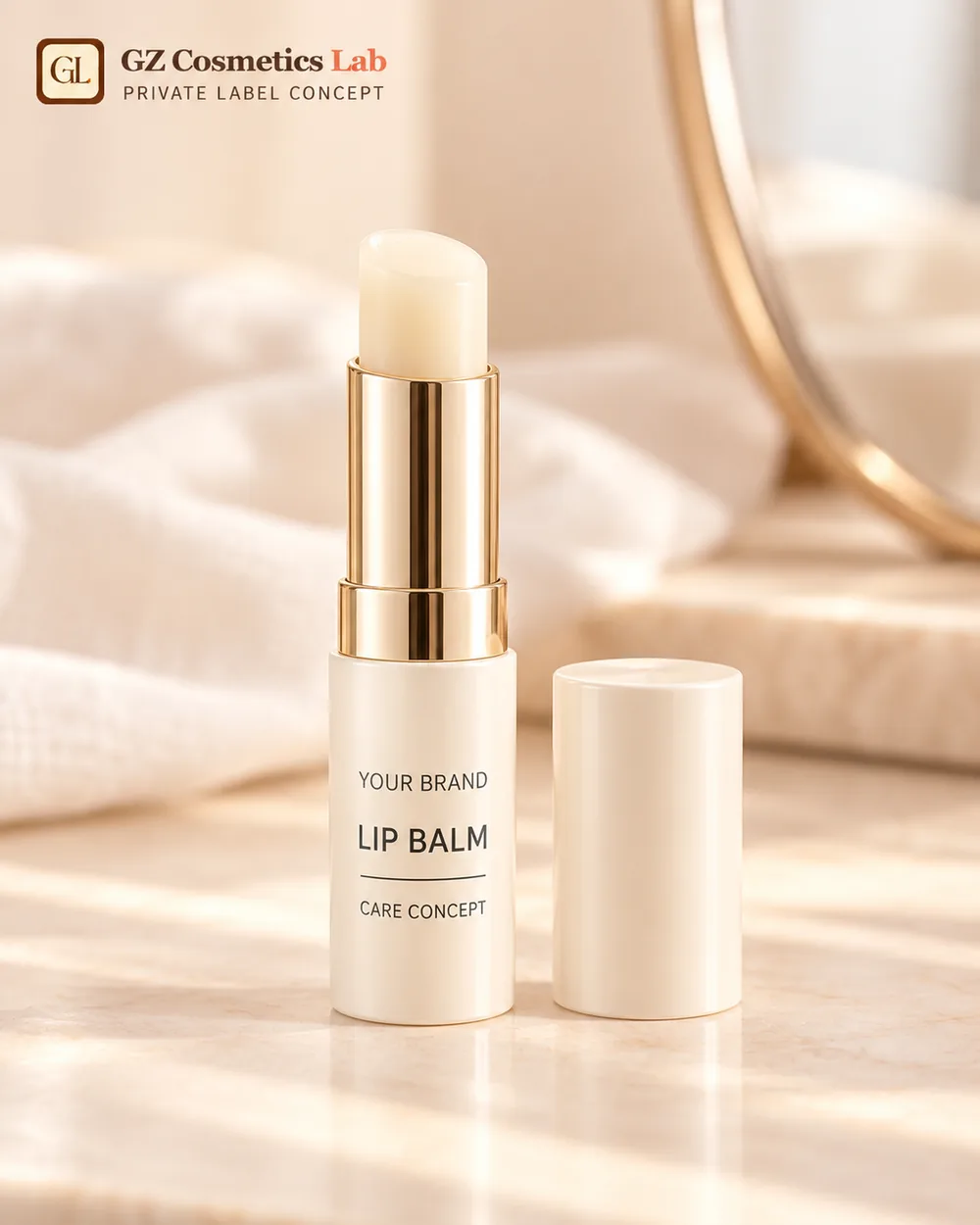
Private Label Lip Balm: Stick, Tube and Jar Decisions Before Sampling
Compare private label lip balm sticks, tubes and jars, record sample versions, and prepare formula, packaging and quality questions before requesting samples.

PCR Cosmetic Packaging: How to Verify Recycled Content Before Approving a Pack
Before approving PCR cosmetic packaging, distinguish physical content from mass-balance allocation and match supplier evidence to your component and delivery.
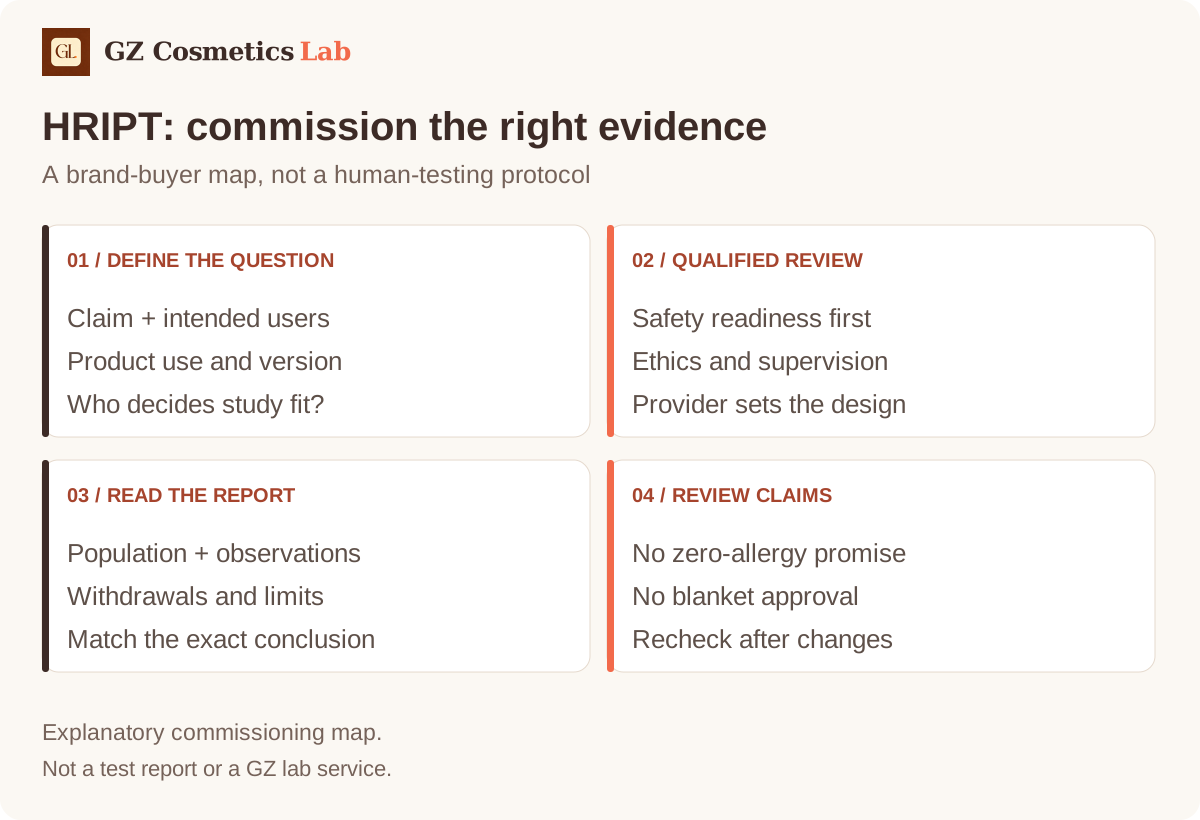
HRIPT Testing for Cosmetic Brands: Study Scope, Reports and Claim Limits
What a human repeat insult patch test can and cannot support: how to commission HRIPT through a qualified provider, read the report, and keep tolerance claims within what the study shows.
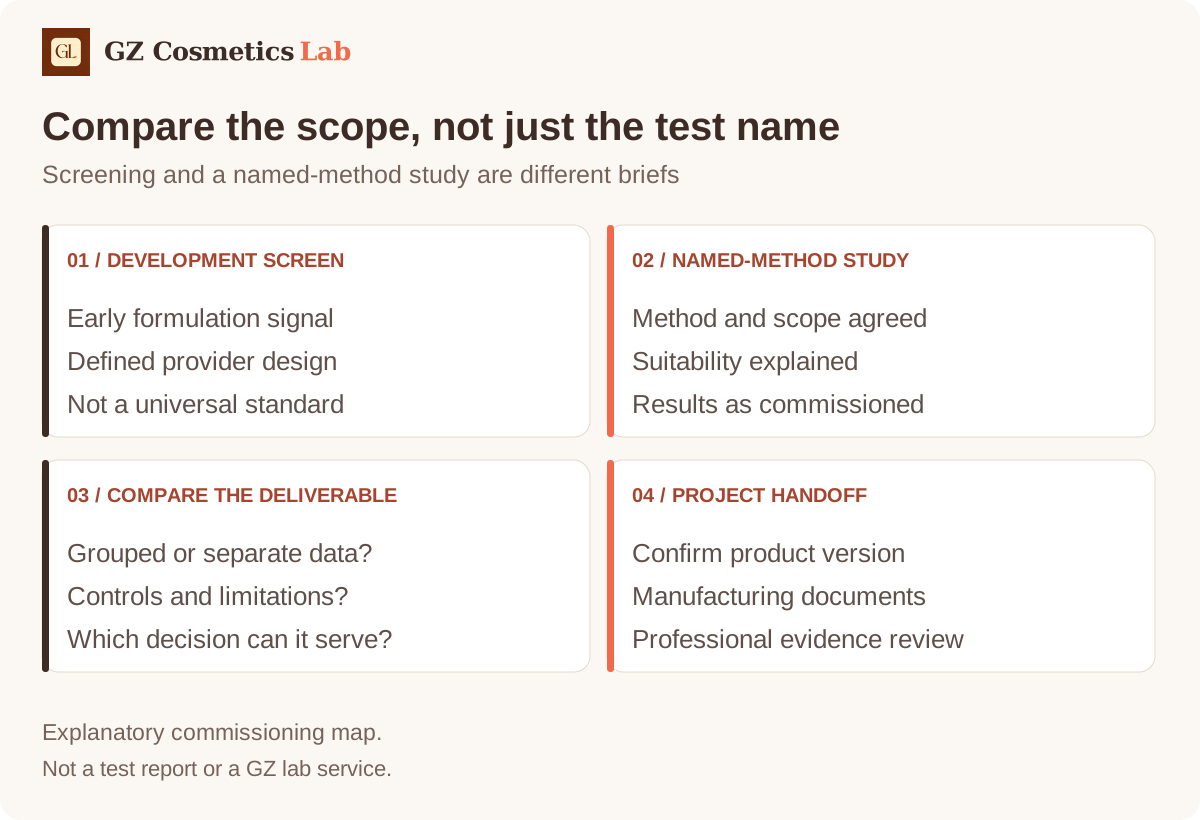
Preservative Challenge Testing for Cosmetics: Screen vs Full Study
Learn when cosmetics may need preservative challenge testing, what affects cost, how ISO 11930 and USP <51> differ, and how to compare laboratory scopes.
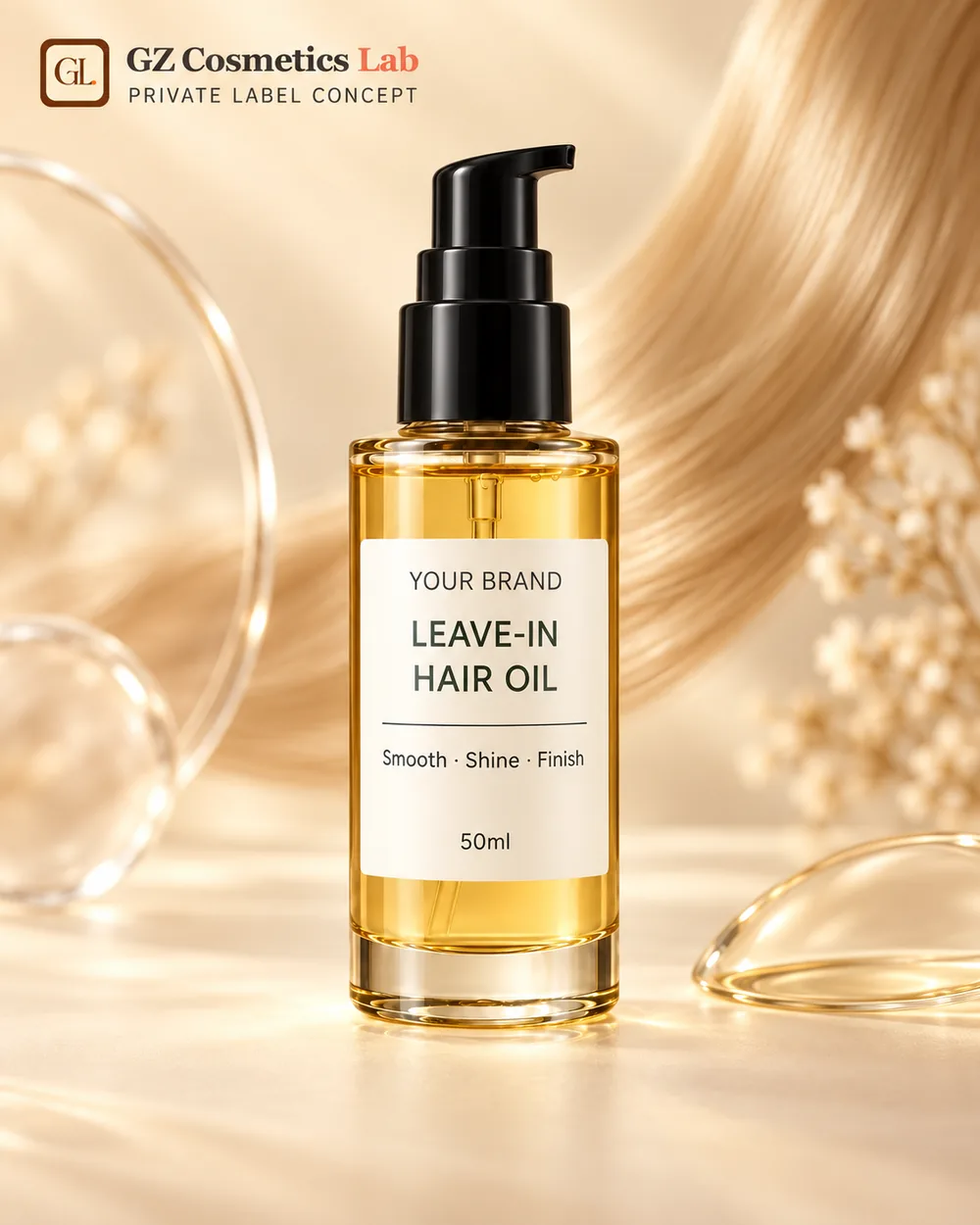
Private Label Hair Oil vs Hair Serum: Finish, Dose and Packaging Before Sampling
How brands choose between a leave-in hair oil and a hair-fibre serum: target hair, routine step, finish, zone and dispenser, an illustrative two-SKU decision, and the brief to send your OEM/ODM supplier.
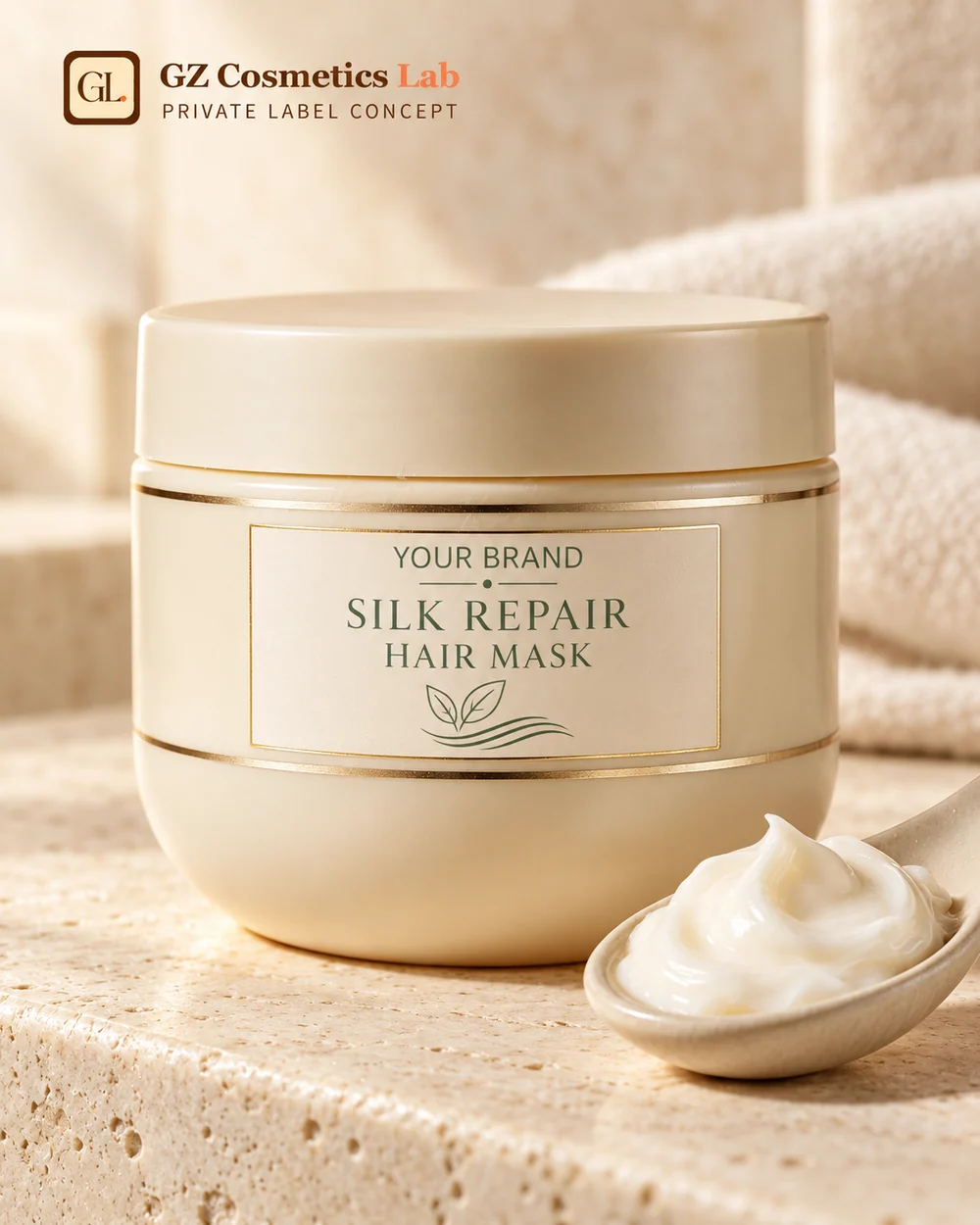
Private Label Rinse-Off Hair Masks: Texture, Pack Size and Sample Acceptance
Compare private label hair mask samples, jar and tube handling, rinse-off feel and pack quantities before agreeing sample acceptance and a supplier quotation.
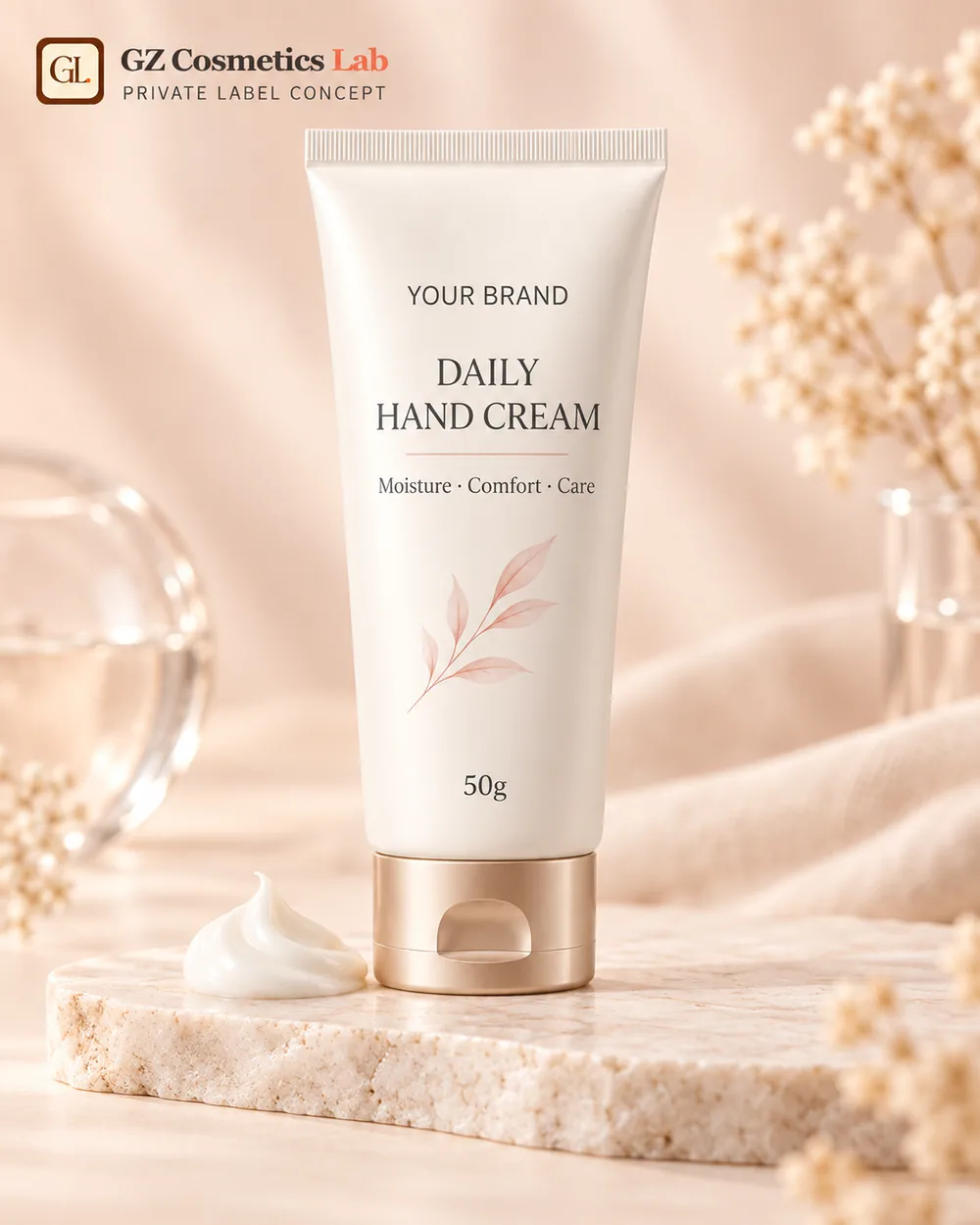
Private Label Hand Cream: Tube Size, Texture and Variant Decisions Before Quoting
Prepare a private label hand cream quote with clear sample feedback, tube and cap references, fragrance versions and quantities for each product variant.
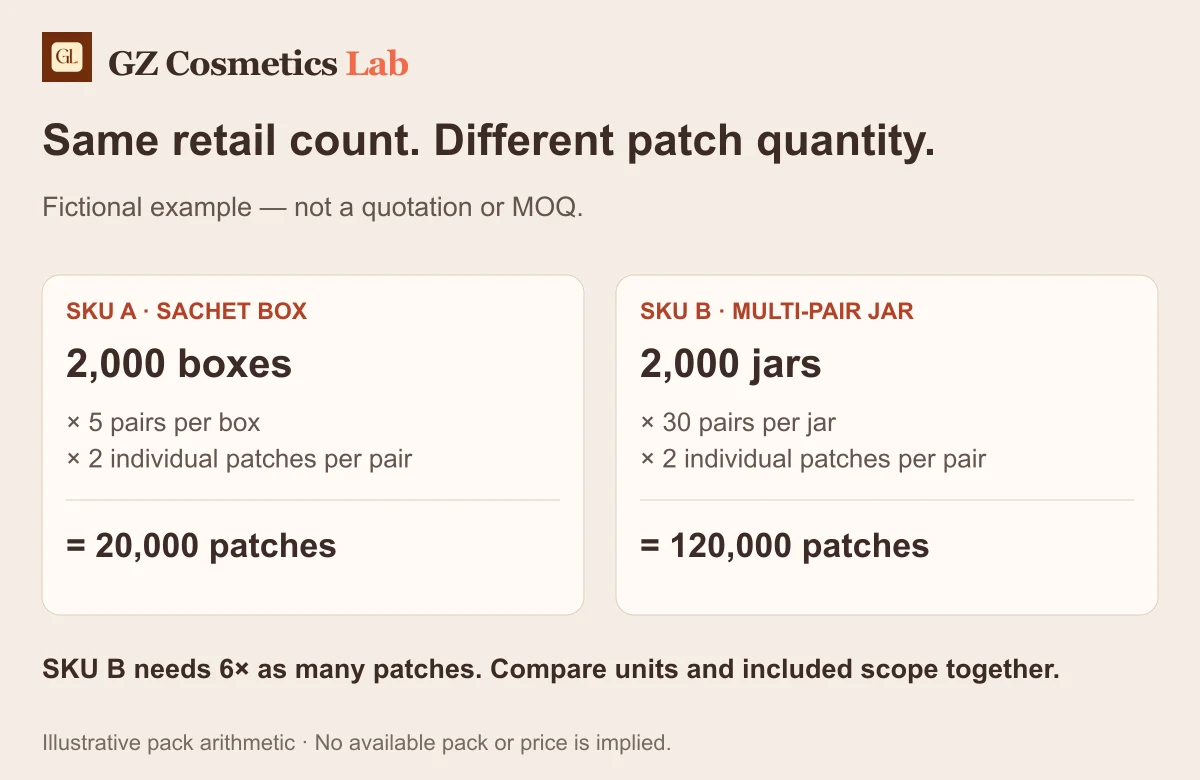
Private Label Under-Eye Patches: Pack Counts, Format and Sample Specifications
Source private label under-eye patches with a clear brief: pieces versus pairs, sachets versus jars, sample specifications and supplier quotation units.
Private Label Eye Care: Cream, Serum and Applicator Decisions Before Sampling
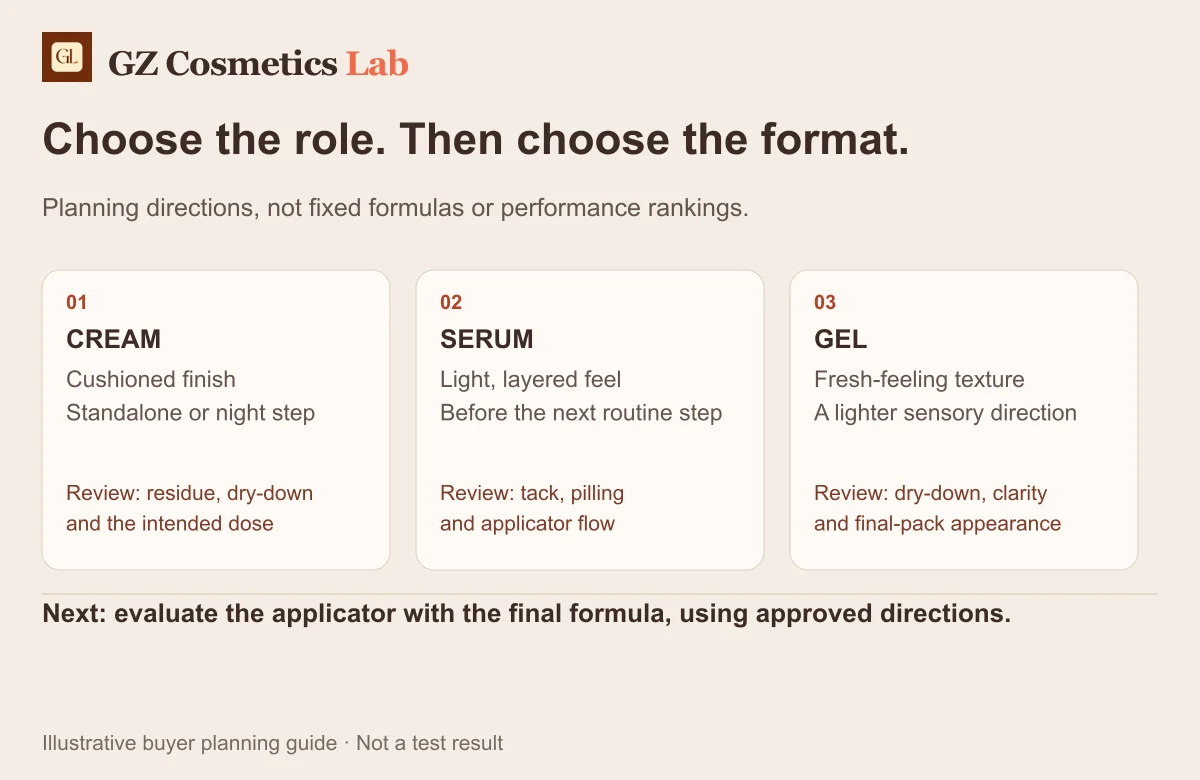
Choose a private label eye cream, serum or gel, evaluate applicators, compare samples under an agreed plan and prepare a supplier-ready project brief.
Cosmetic Consumer Testing: Panels, Home-Use Trials and Questionnaires
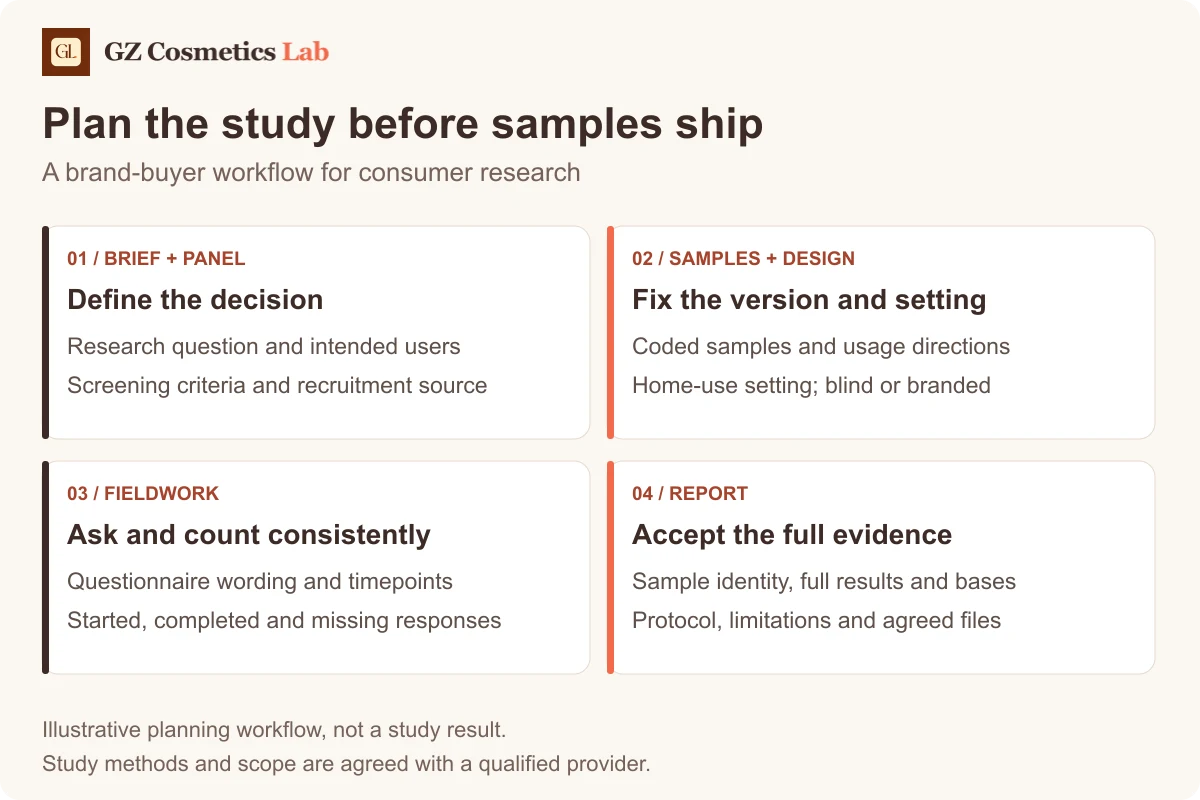
Plan a cosmetic consumer testing panel: recruitment, screening, home-use instructions, questionnaire timing, dropouts and report acceptance.
Cosmetic Efficacy Testing: Matching Claims to Studies and Reports
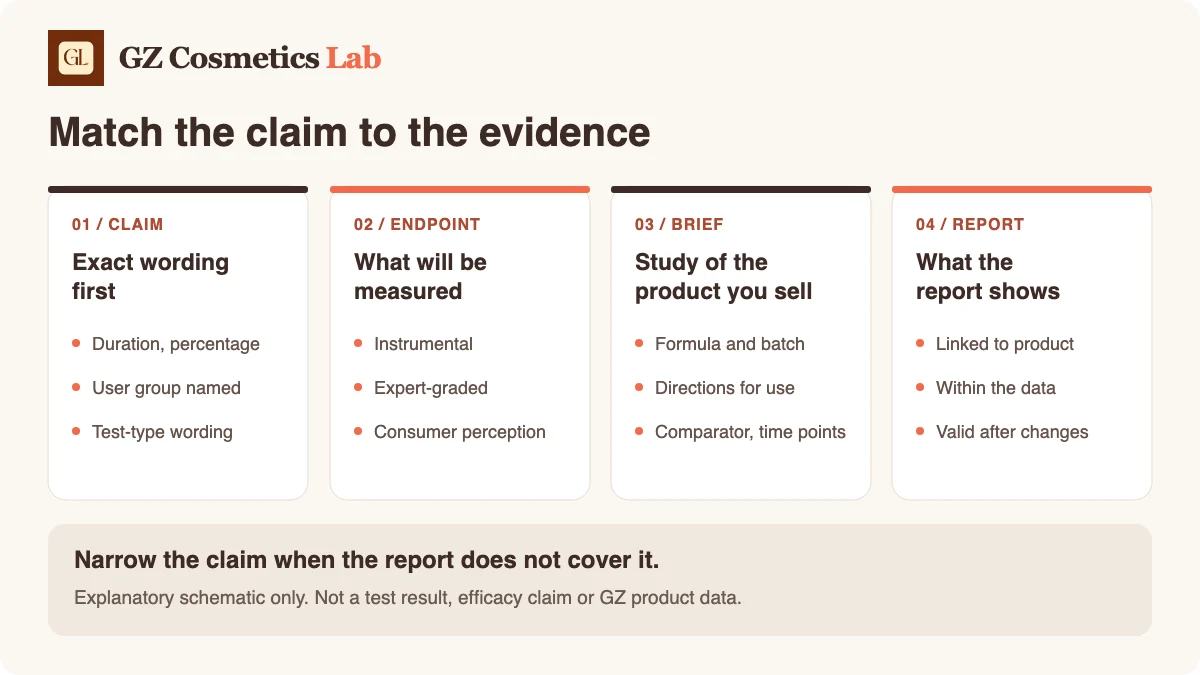
Plan cosmetic efficacy testing around the claim: choose endpoints, brief the study, read what the report proves and keep evidence valid after changes.
How to Evaluate Private Label Shampoo Samples Before Choosing a Supplier
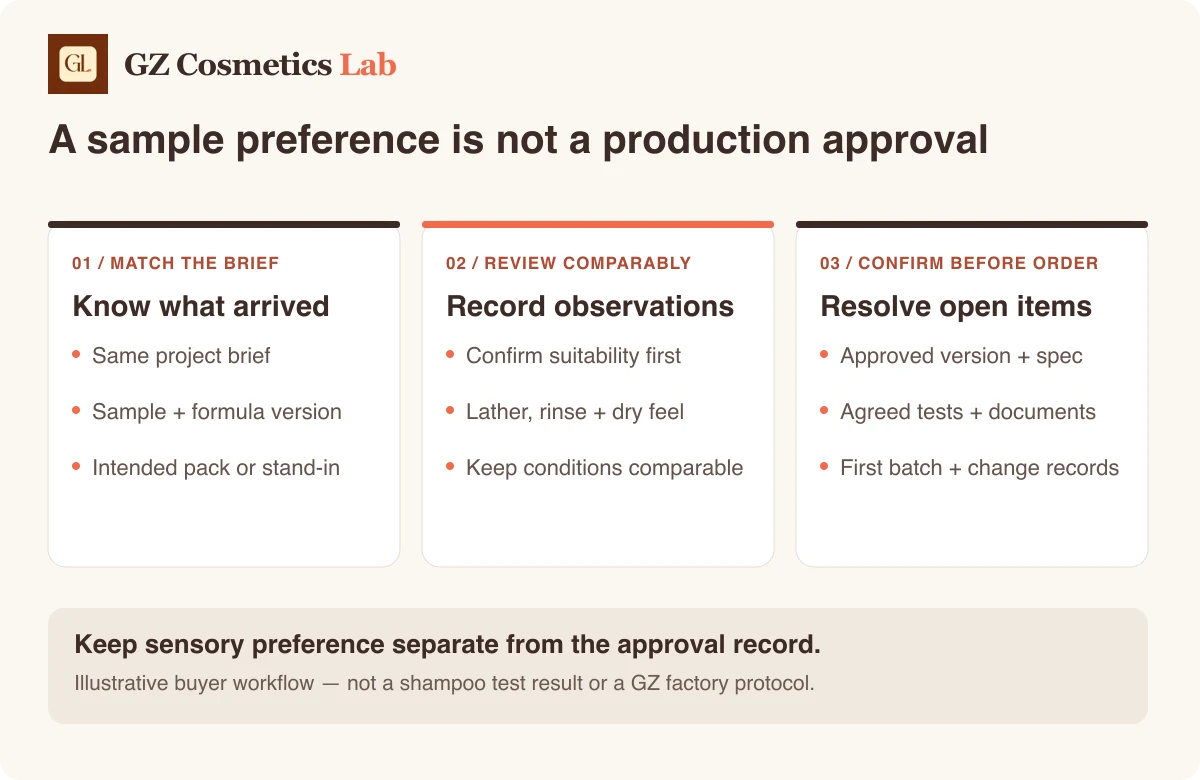
Compare private label shampoo samples with a shared brief, version records, a reusable review sheet, supplier questions and first-order approvals.
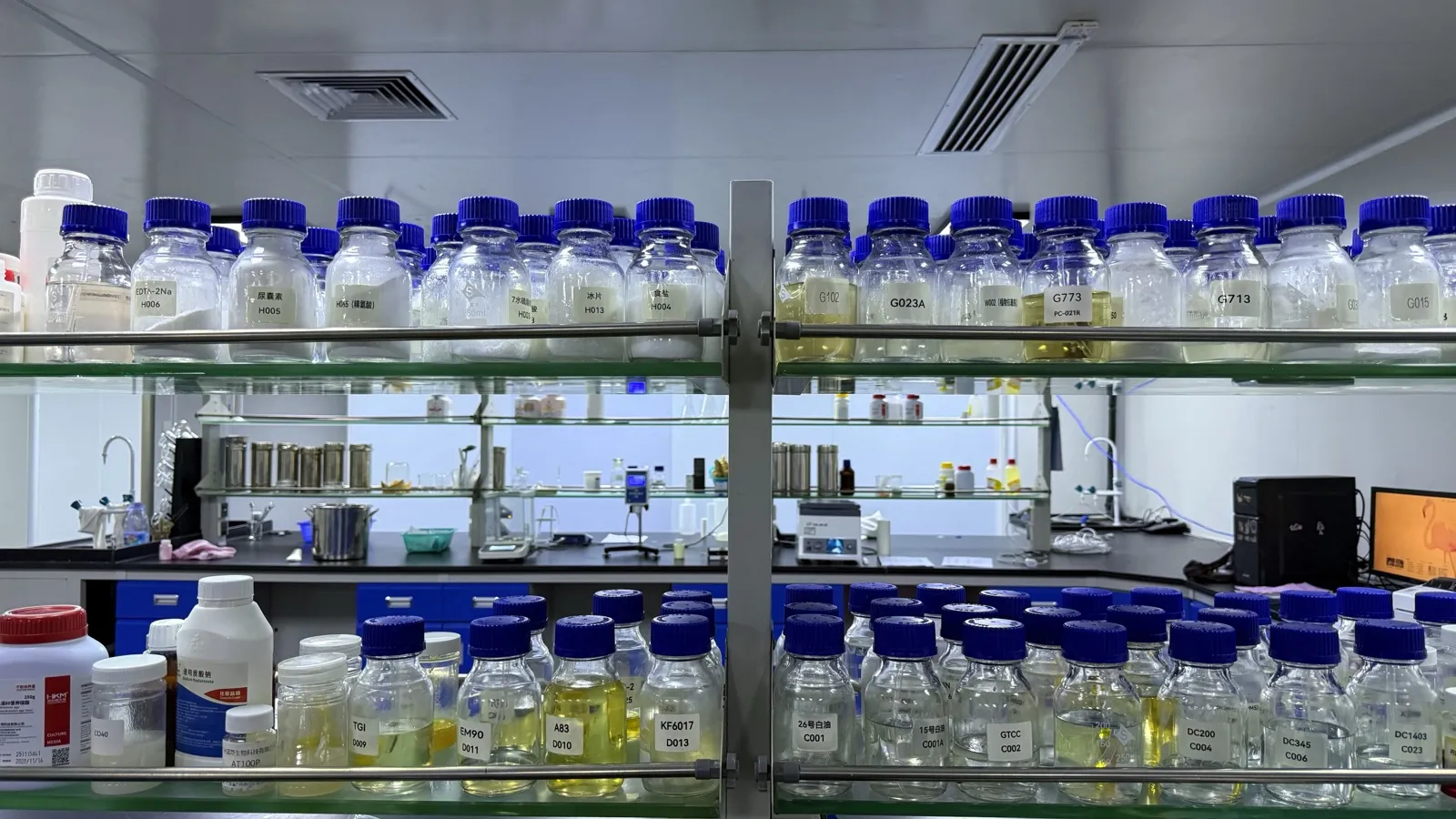
Cosmetic Manufacturing Agreement: Quality, Change and IP
What to settle before you sign a cosmetic manufacturing agreement: quality agreement, change control, batch records, recalls, formula IP and liability.
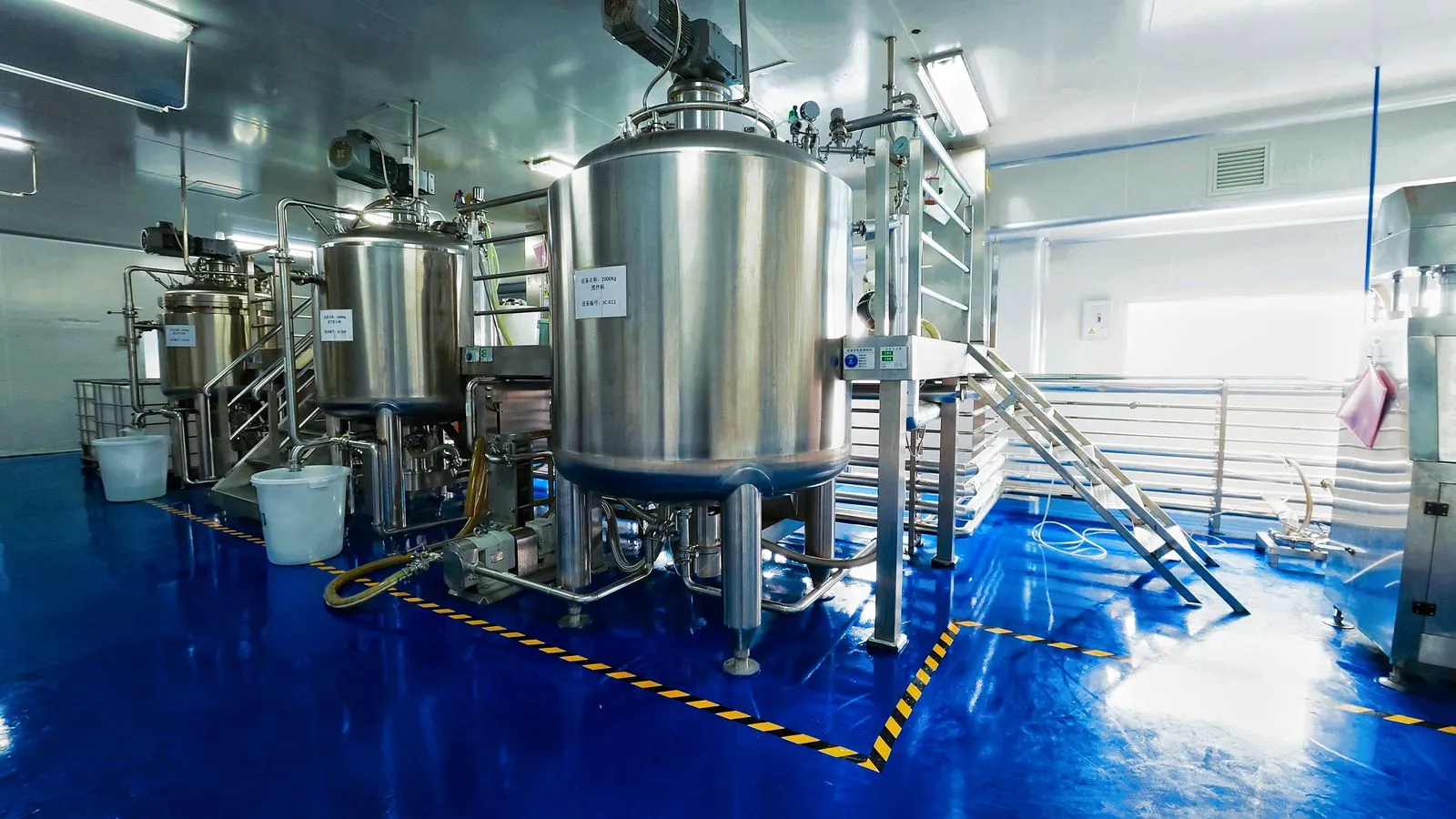
Cosmetic Manufacturing Process: From Formula to Batch Release
The cosmetic manufacturing process for one OEM order: formula approval, pilot batch, raw material release, mixing, filling, the batch record and batch release.

Cosmetic Factory Audit Checklist for OEM Buyers
A scored factory audit checklist for cosmetic OEM buyers: what to sample, the evidence each answer needs, remote audit rules and how to grade findings.
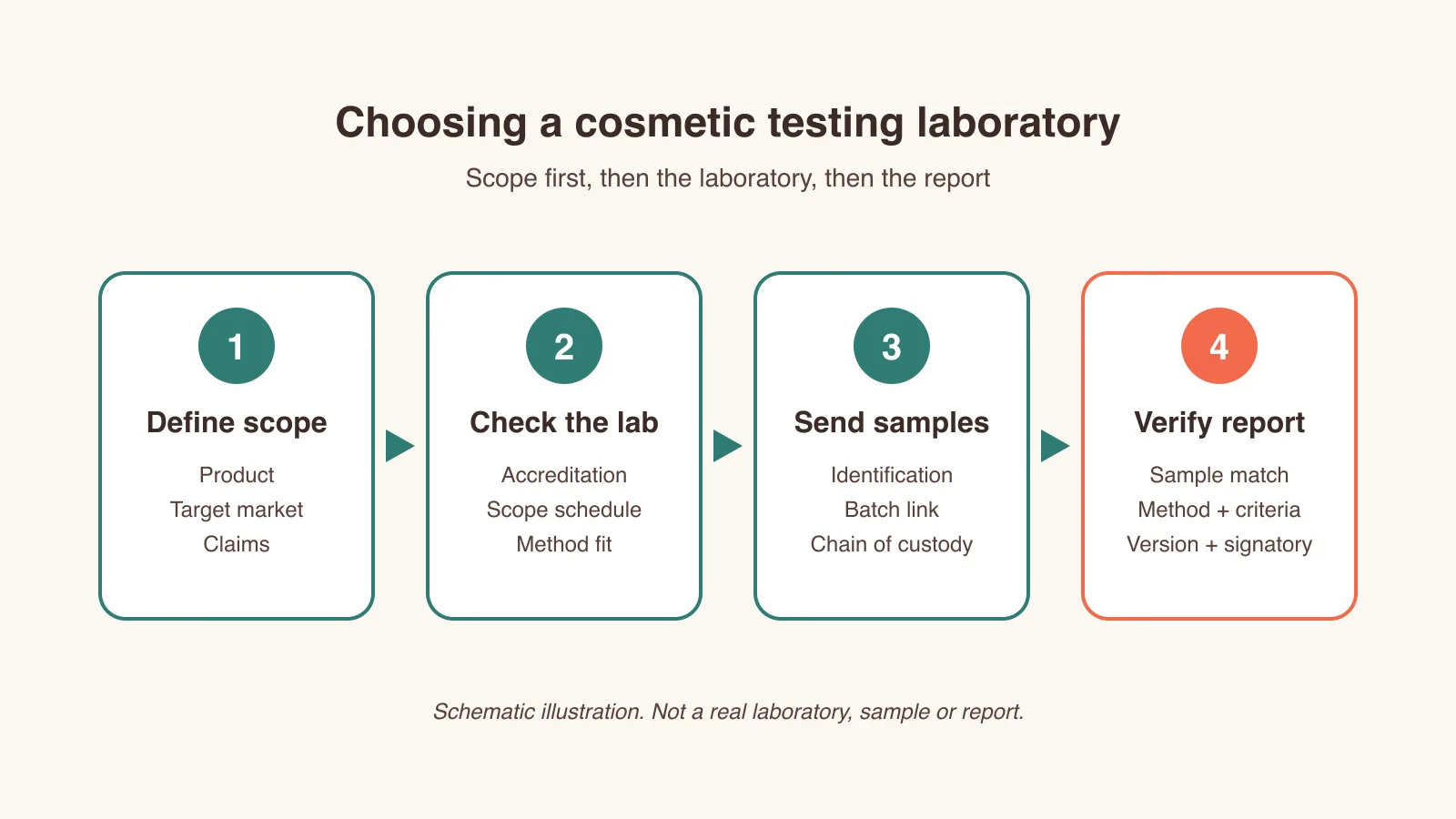
Cosmetic Product Testing: How OEM Buyers Verify a Laboratory
Plan cosmetic product testing by product, market and claim, then check a cosmetic testing laboratory's accreditation scope, samples and report before use.
Cosmetics Technology Transfer: Moving to a New Factory
Moving a cosmetic formula to a new factory is a technology transfer, not a copy-paste. What moves, why the same formula behaves differently, and how to requalify.
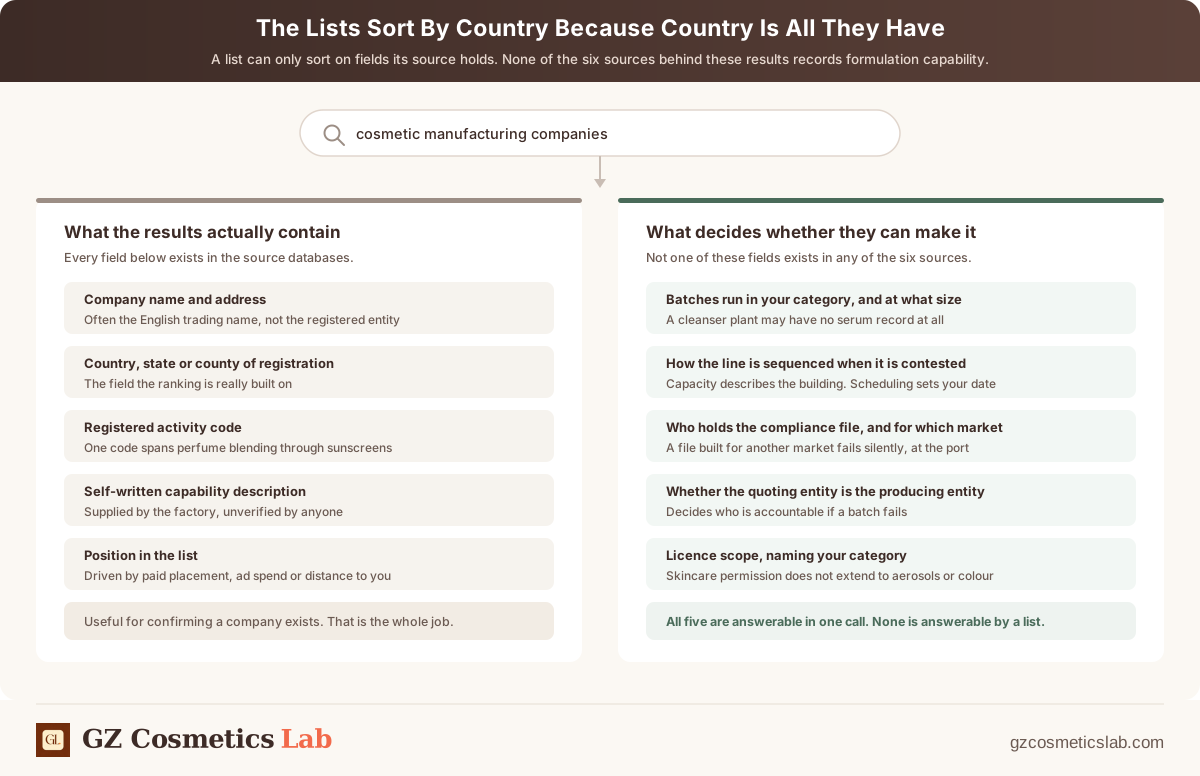
Cosmetic Manufacturing Companies: How the Lists Are Built (2026)
Lists of cosmetic manufacturing companies come from industry codes, paid directories and facility registers. None of them records formulation capability.
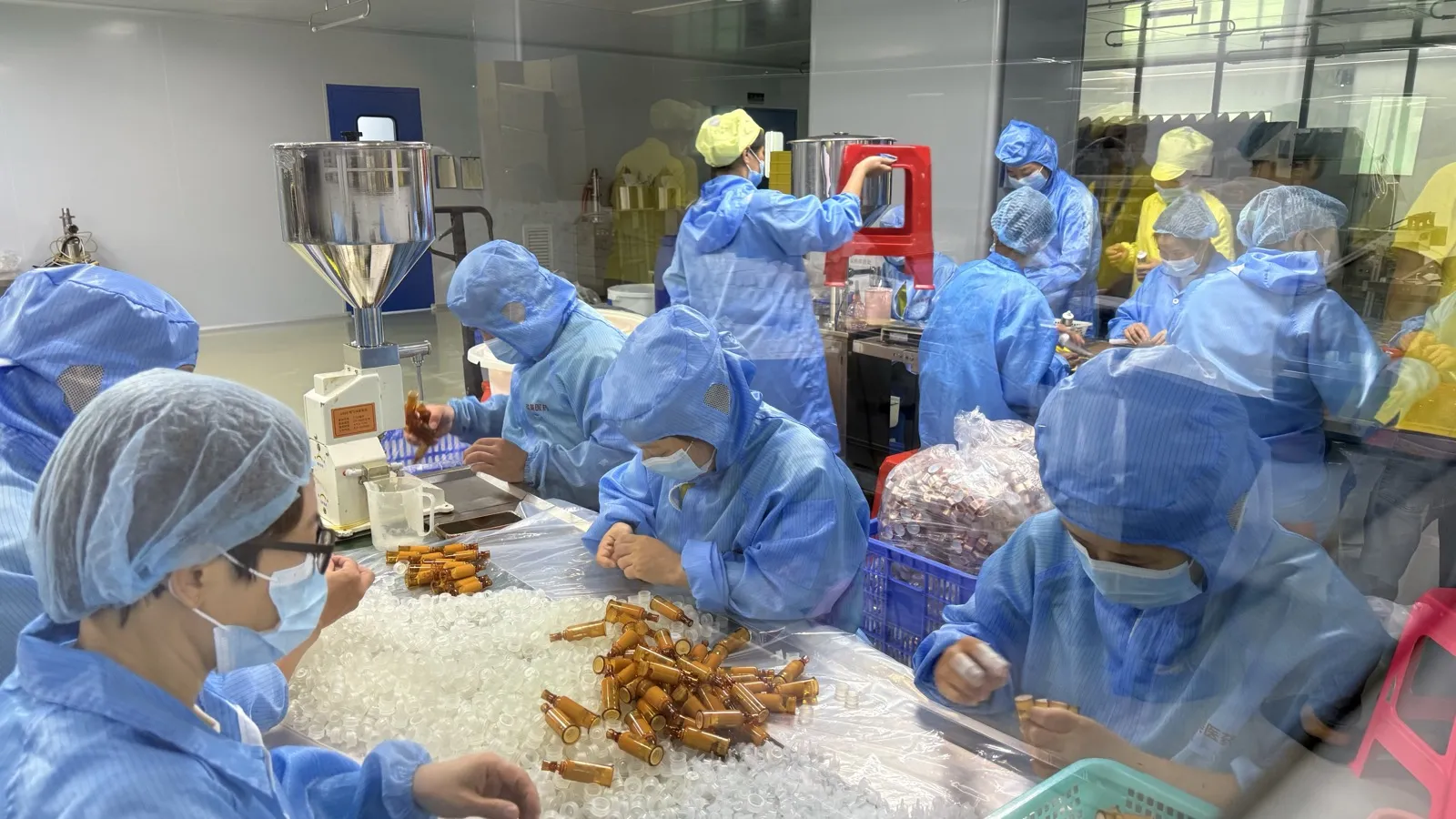
Color Cosmetics Private Label: The Pigment Rules
What separates a color cosmetics private label manufacturer from a skincare one: pigment approval lists, certified lot numbers, eye and lip use permissions, and heavy metal limits across the US, EU and Southeast Asia.
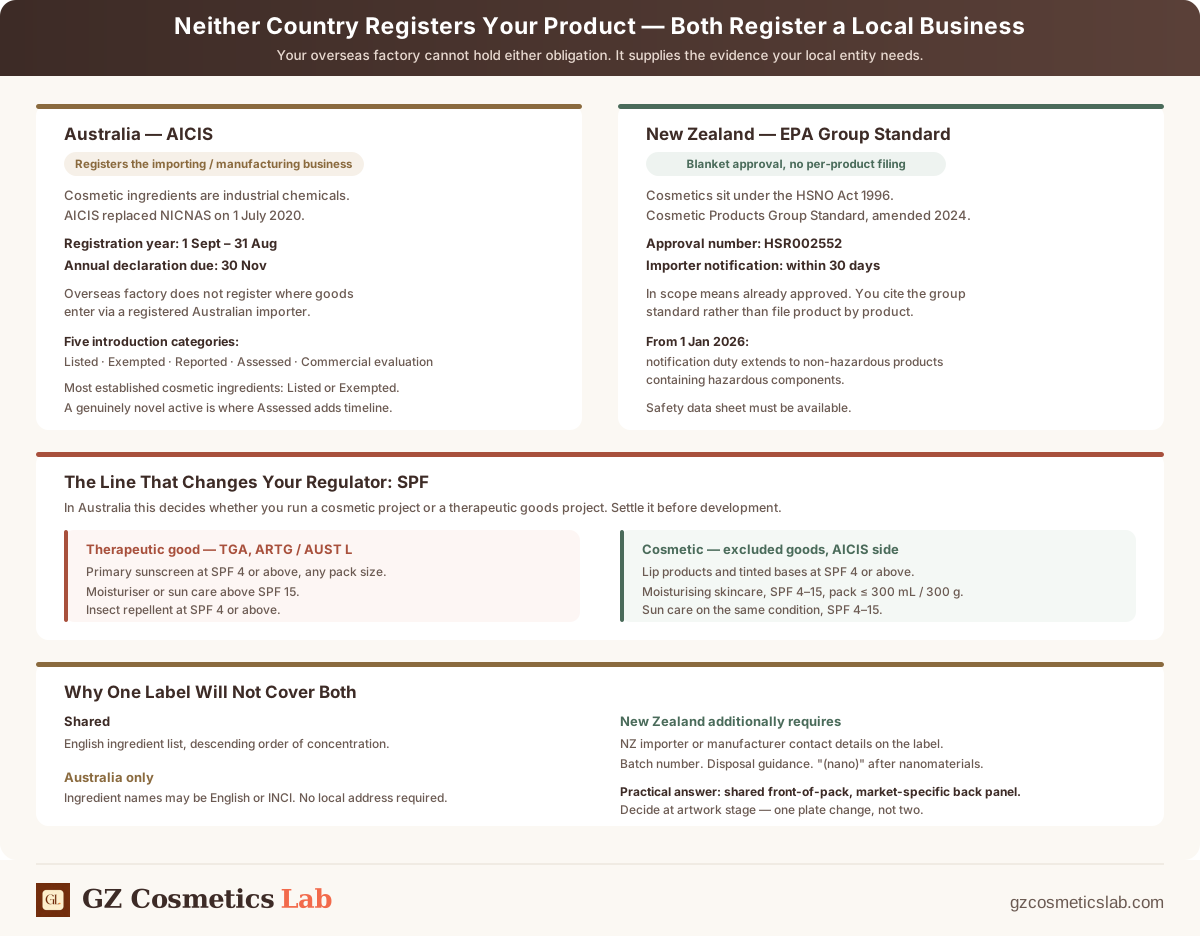
Cosmetics Manufacturer for Australia & New Zealand
Sourcing cosmetics from China for Australia and New Zealand: the AICIS and EPA split, the sunscreen SPF threshold that reclassifies you under the TGA.
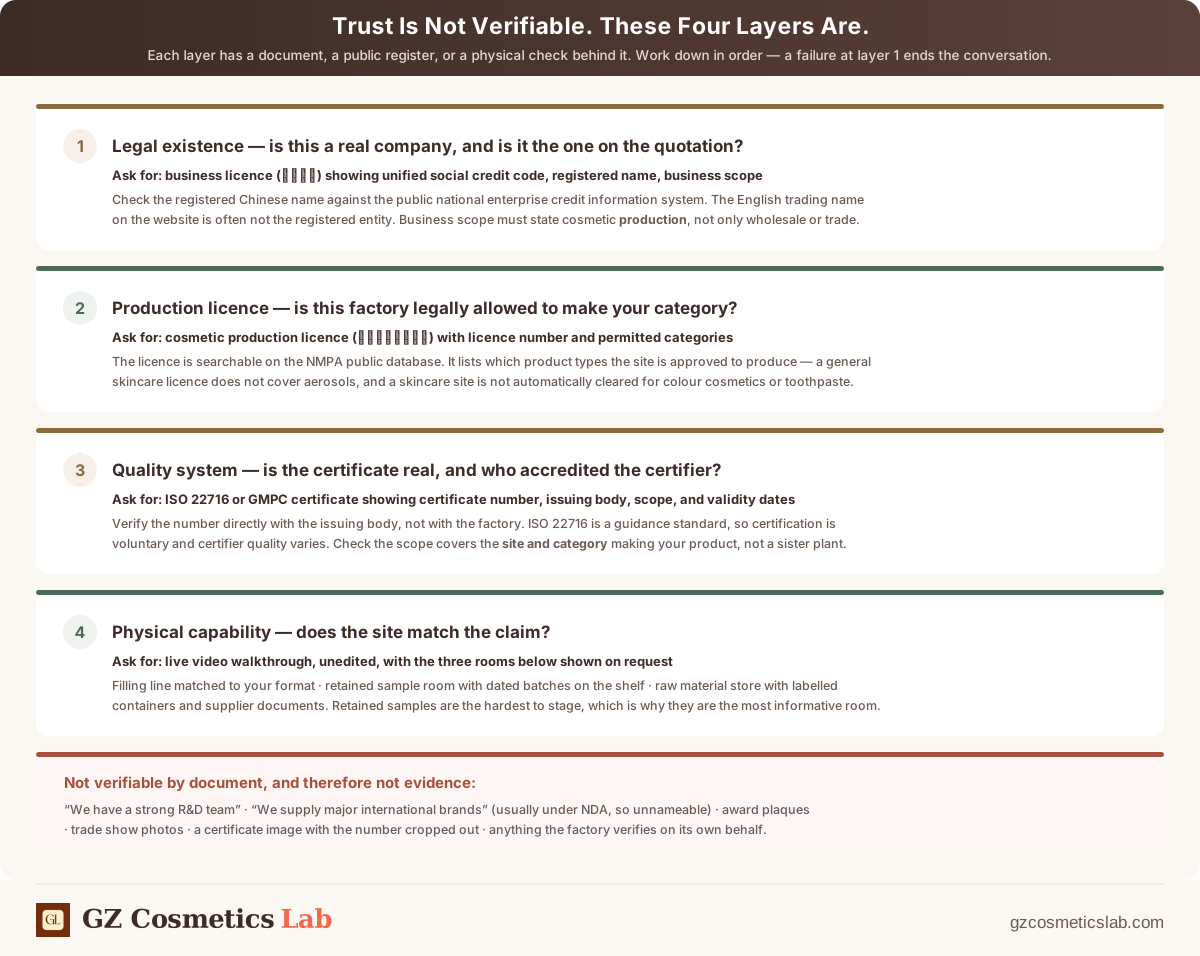
How to Find a Skincare Manufacturer You Can Trust
How to find a skincare manufacturer you can trust: a four-layer verification method covering business licence, production licence and certificate numbers.
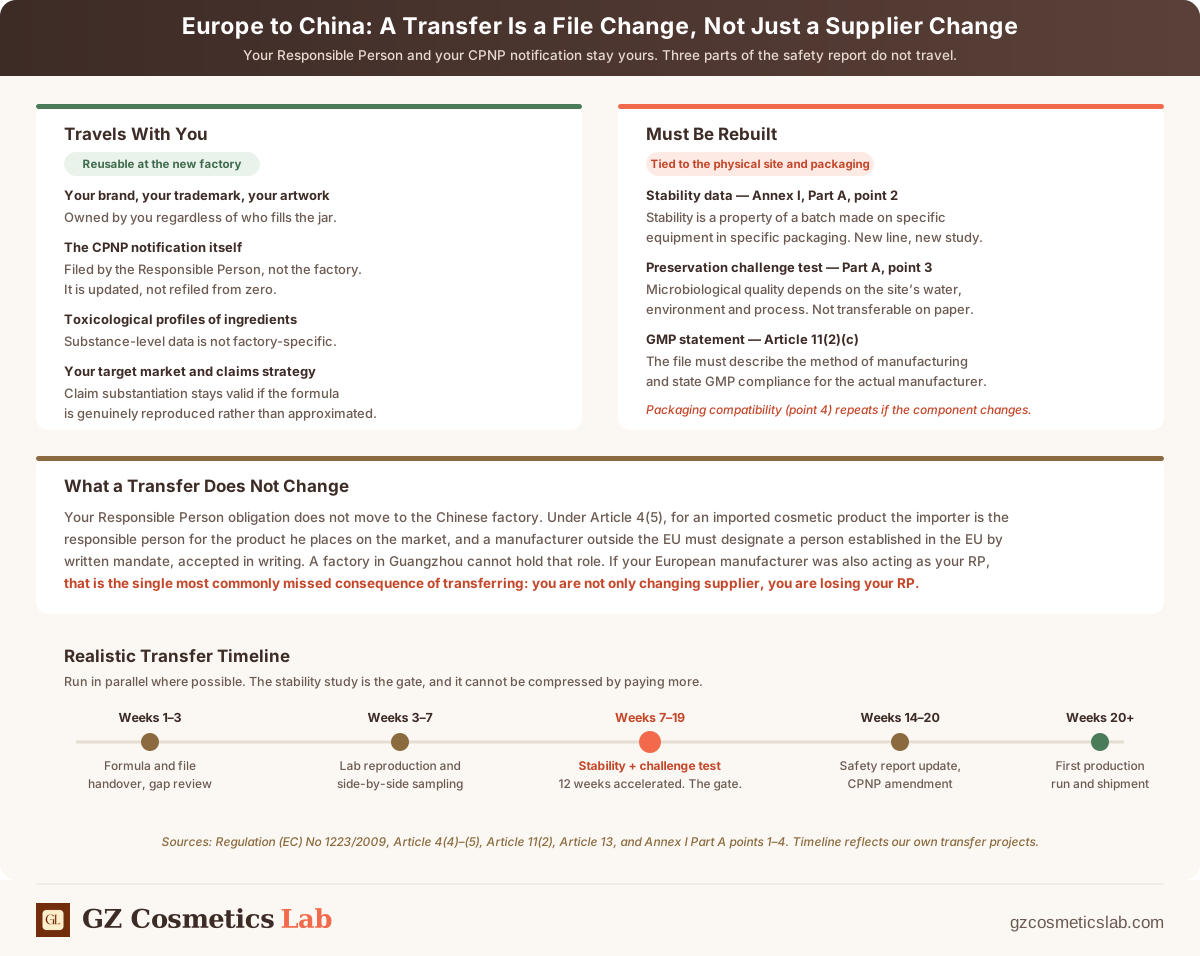
Europe vs China Cosmetics Manufacturer: Transfer Guide
Moving cosmetics production from Europe to China: what transfers under Regulation 1223/2009, why stability data must be rebuilt, and a realistic timeline.

Cosmetics Manufacturer for the Middle East: Saudi & UAE
What a China OEM must get right for the Gulf: the GSO 1943:2024 technical regulation, per-country registration, and bilingual Arabic labelling requirements.
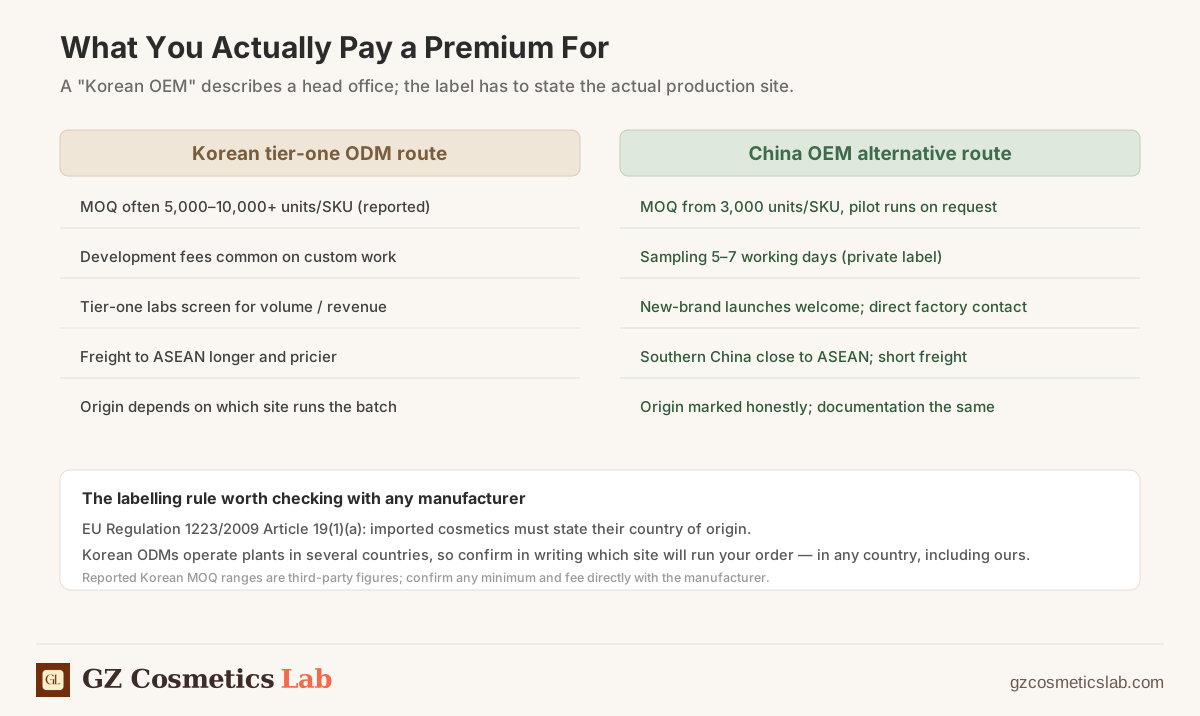
Korean Cosmetics OEM Alternative: When to Switch and How
Korean cosmetics OEM alternatives for brands blocked by high MOQs or development fees: what you keep, what you lose, and the country-of-origin rule to know.
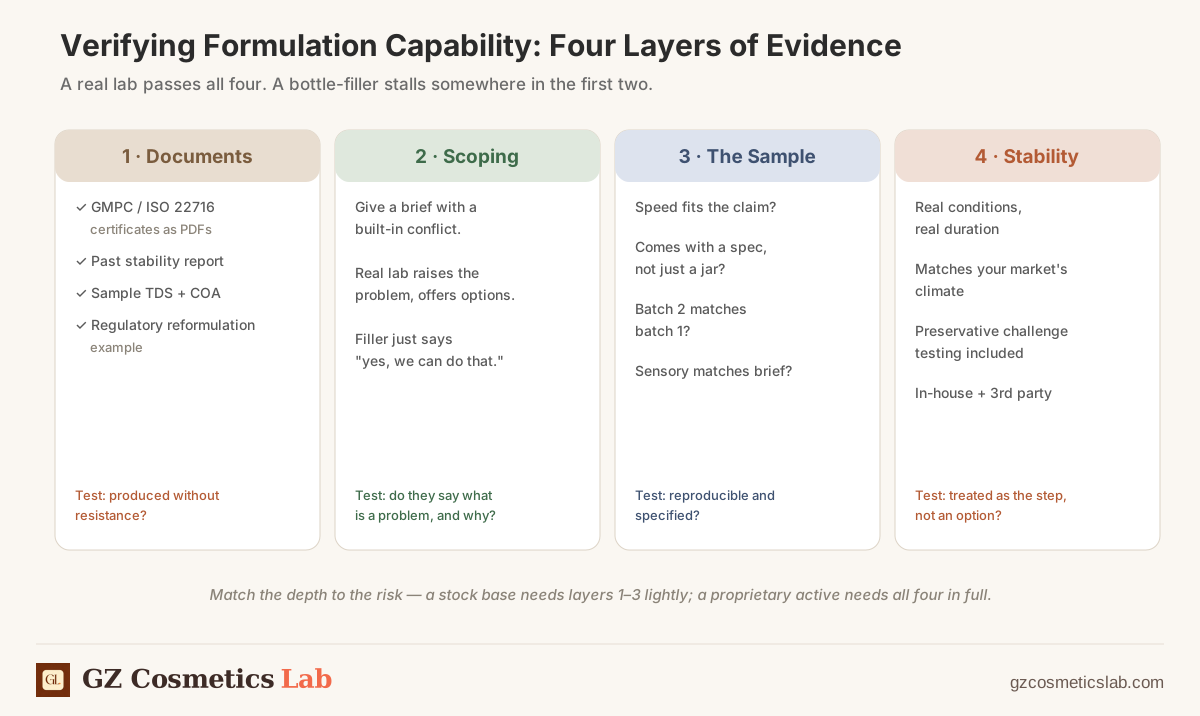
How to Verify a Cosmetics Manufacturer's Formulation Capability
How to verify a cosmetics manufacturer's formulation capability with evidence: the documents to request, the stability data to insist on, and the red flags.
Private Label Skincare Manufacturers in China (Top 10)
How to compare private label skincare manufacturers in China: the five fields that decide a shortlist, what each certification actually covers, and how to verify every figure yourself.
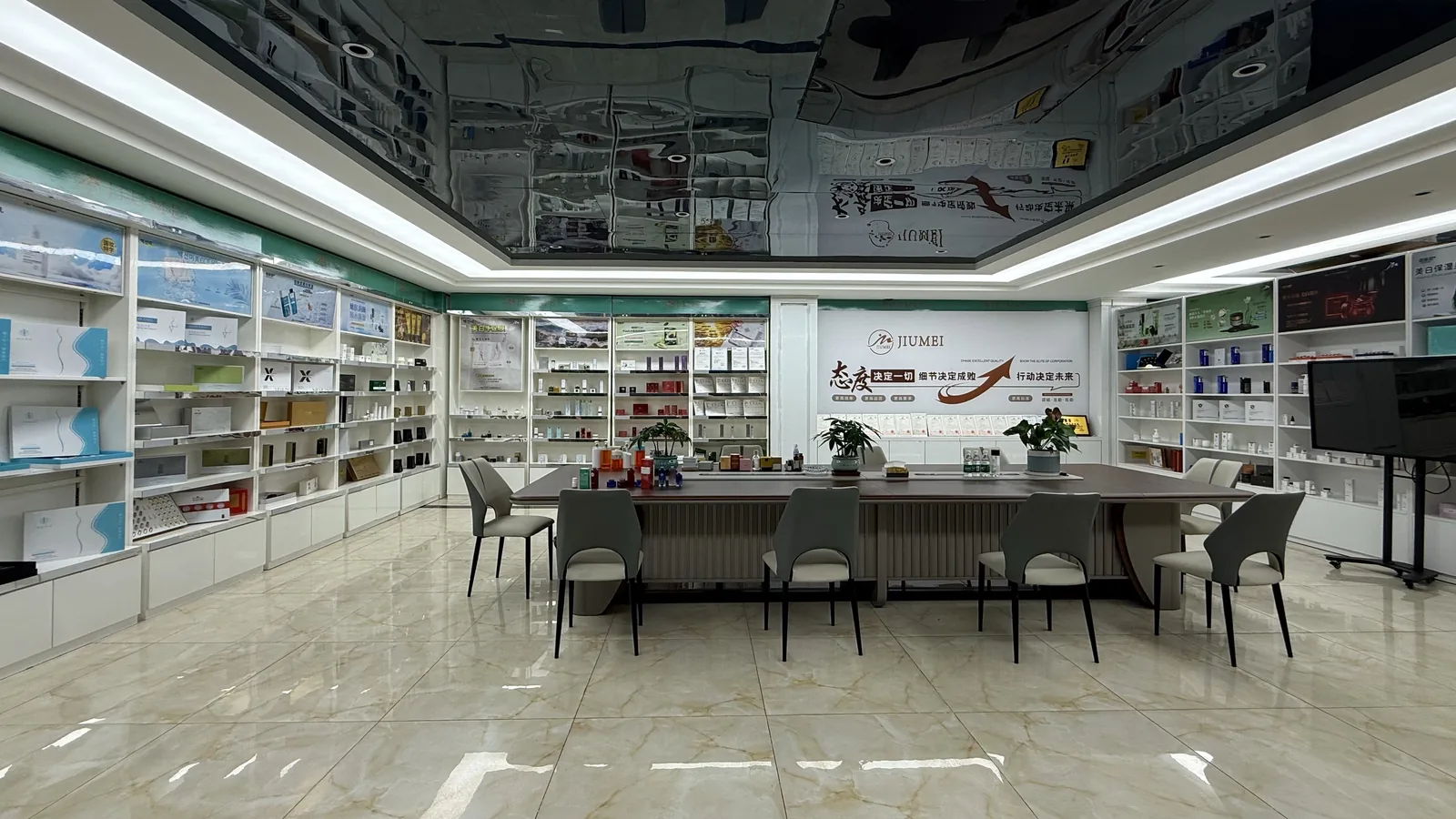
Private Label Skincare Manufacturer: OEM Supplier Guide
How to evaluate a private label skincare manufacturer: MOQ, quote response, production cycle, sample TDS, INCI, COA, MSDS, stability and batch QC records.
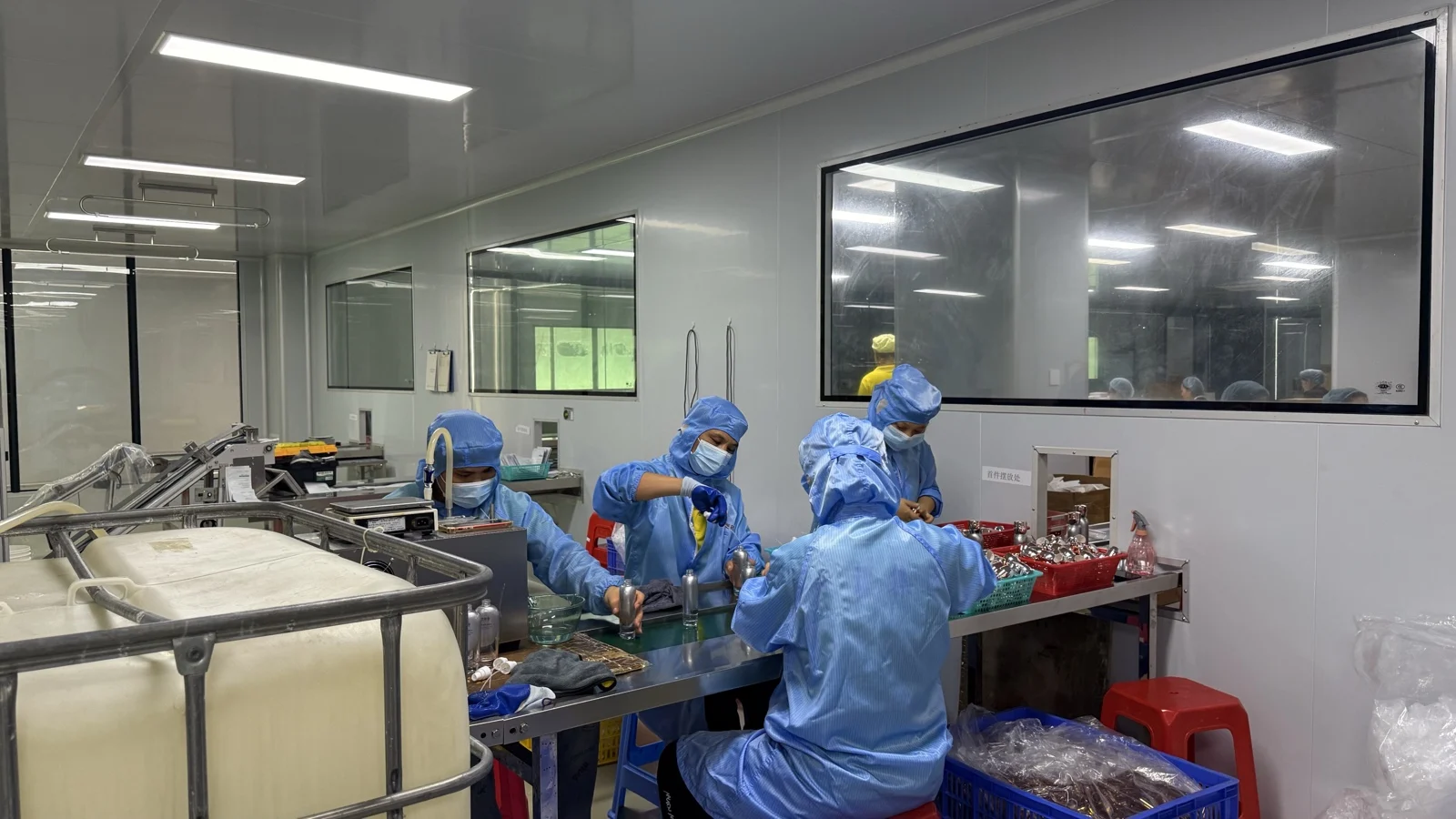
Cosmetic Contract Manufacturers: Scope, MOQ & Vetting
What cosmetic contract manufacturers cover, how to vet a China factory beyond the certificate, realistic MOQ and lead times, and the questions that matter.
China vs Malaysia Skincare OEM: Price, MOQ & Quality
China vs Malaysia skincare OEM compared: price, MOQ, formulation depth, Halal, and lead times. An honest guide for Malaysian and ASEAN brands.
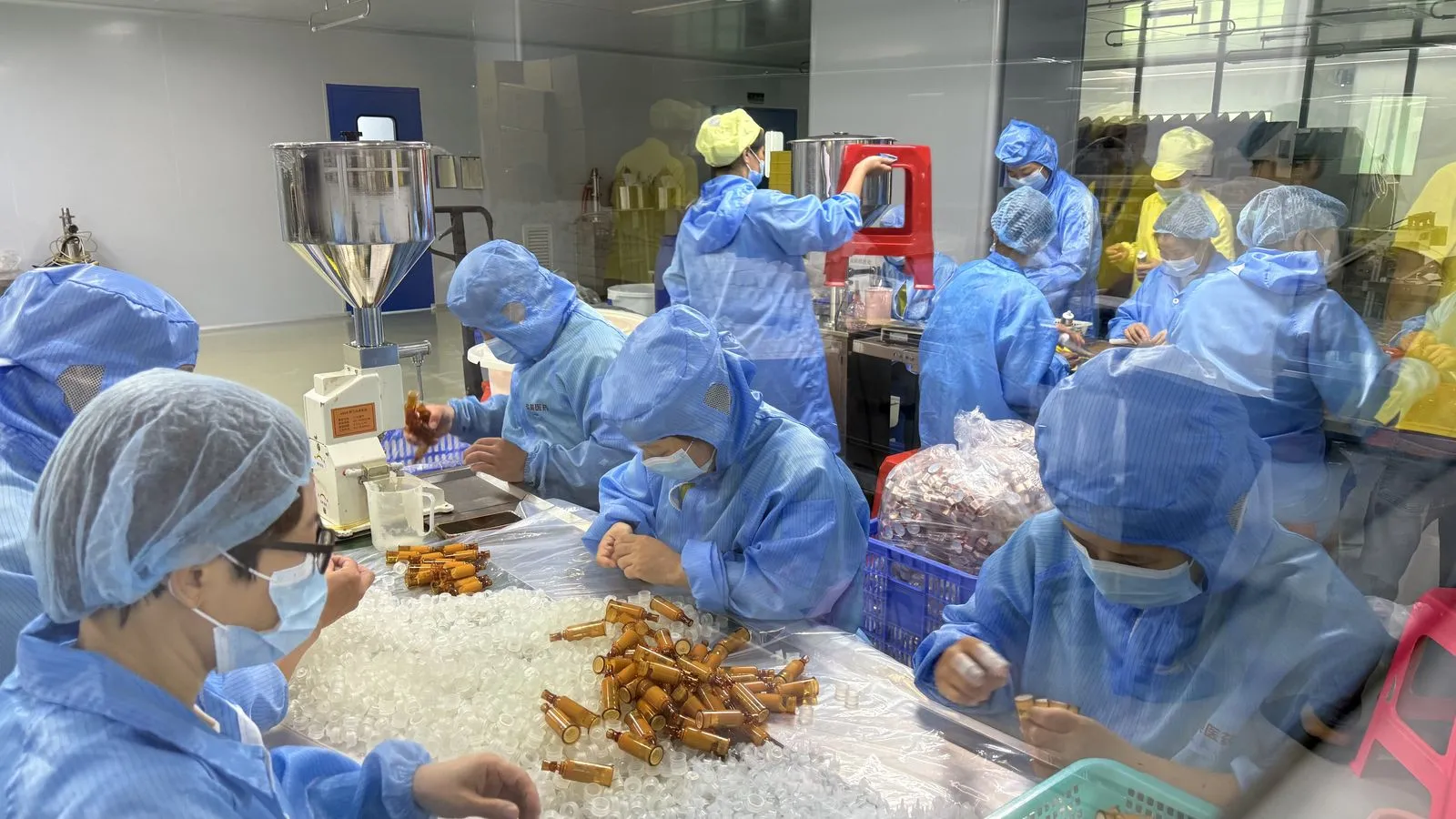
China vs Korea Cosmetics Manufacturer: Honest Comparison
China vs Korea cosmetics manufacturer compared for ASEAN brands: price, MOQ, formulation depth, trend speed, certifications, and how to decide.
OEM Skincare Manufacturer in China: Guide for ASEAN Brands
Find the right OEM skincare manufacturer in China. Cost, MOQ, Halal/GMP certifications, and a step-by-step process for Malaysian, Indonesian & Thai brands.
How to Choose a Cosmetics Manufacturer in China: Checklist
Essential guide for choosing a cosmetics manufacturer in China. Certifications to verify, red flags to avoid, and key questions every buyer should ask.
Browse guide collections
Have a Question We Haven't Covered?
Our team is happy to answer specific questions about cosmetics manufacturing, sourcing, and compliance.
Ask Us Anything