

Market Entry & Compliance
Register and launch across every Southeast Asian market.
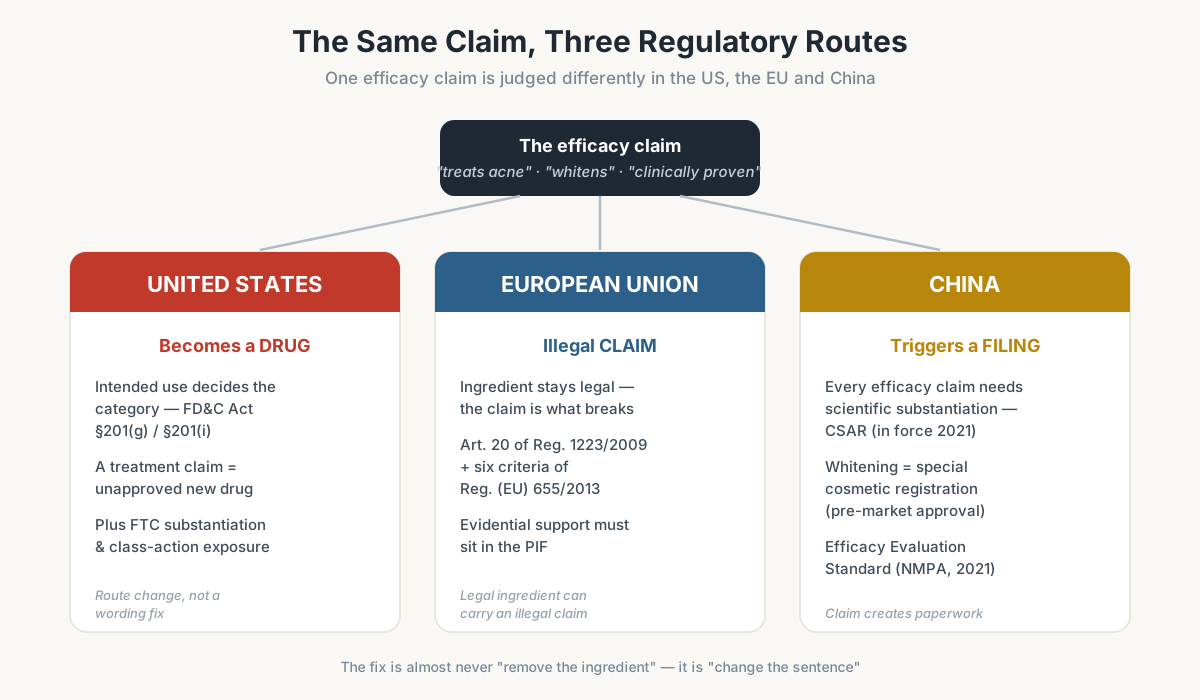
Cosmetic Claims Compliance: What Turns a Cosmetic Into a Drug (US, EU, China)
A single efficacy claim can turn a cosmetic into an unapproved drug in the US, an illegal claim in the EU, and a filing trigger in China. The words on the label decide the regulatory route — not the ingredient list. What each market polices, and how to word claims that stay cosmetic.
Read Article →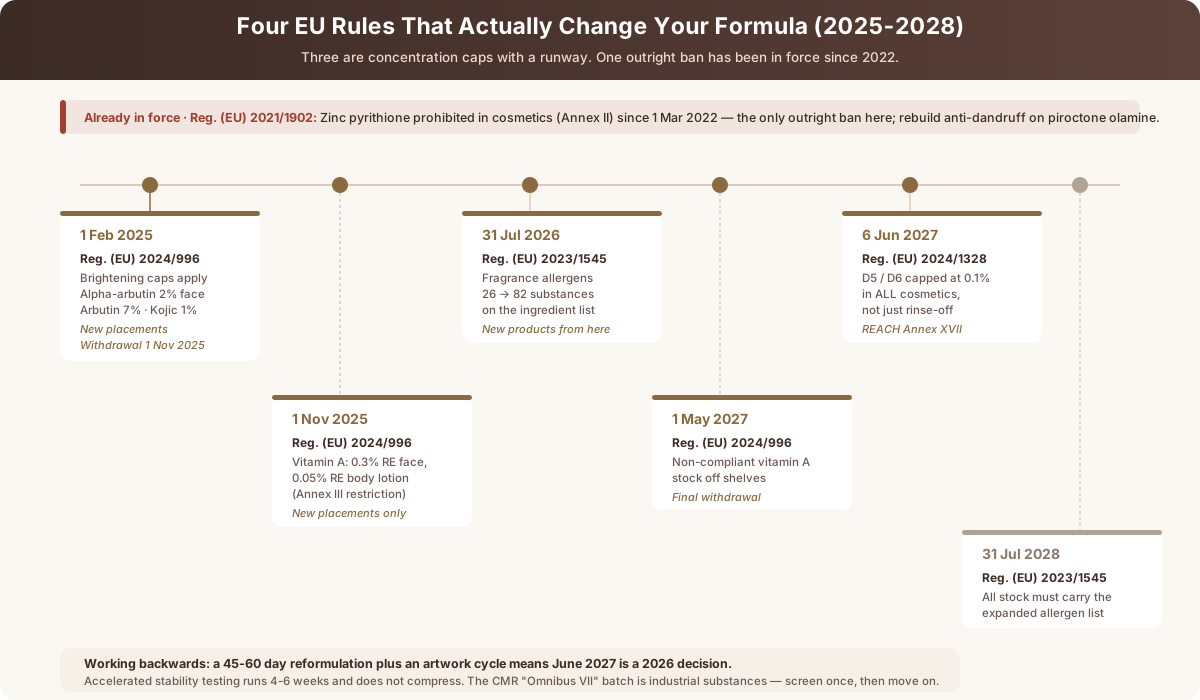
Banned Cosmetic Ingredients EU: The Four Rules That Matter
The EU's long banned-ingredient list is not what forces a reformulation. Four instruments do: the vitamin A cap, 82 fragrance allergens, the D5/D6 siloxane limit, and the zinc pyrithione ban. What each changes, what replaces it, and the 45-60 day timeline.
Read Article →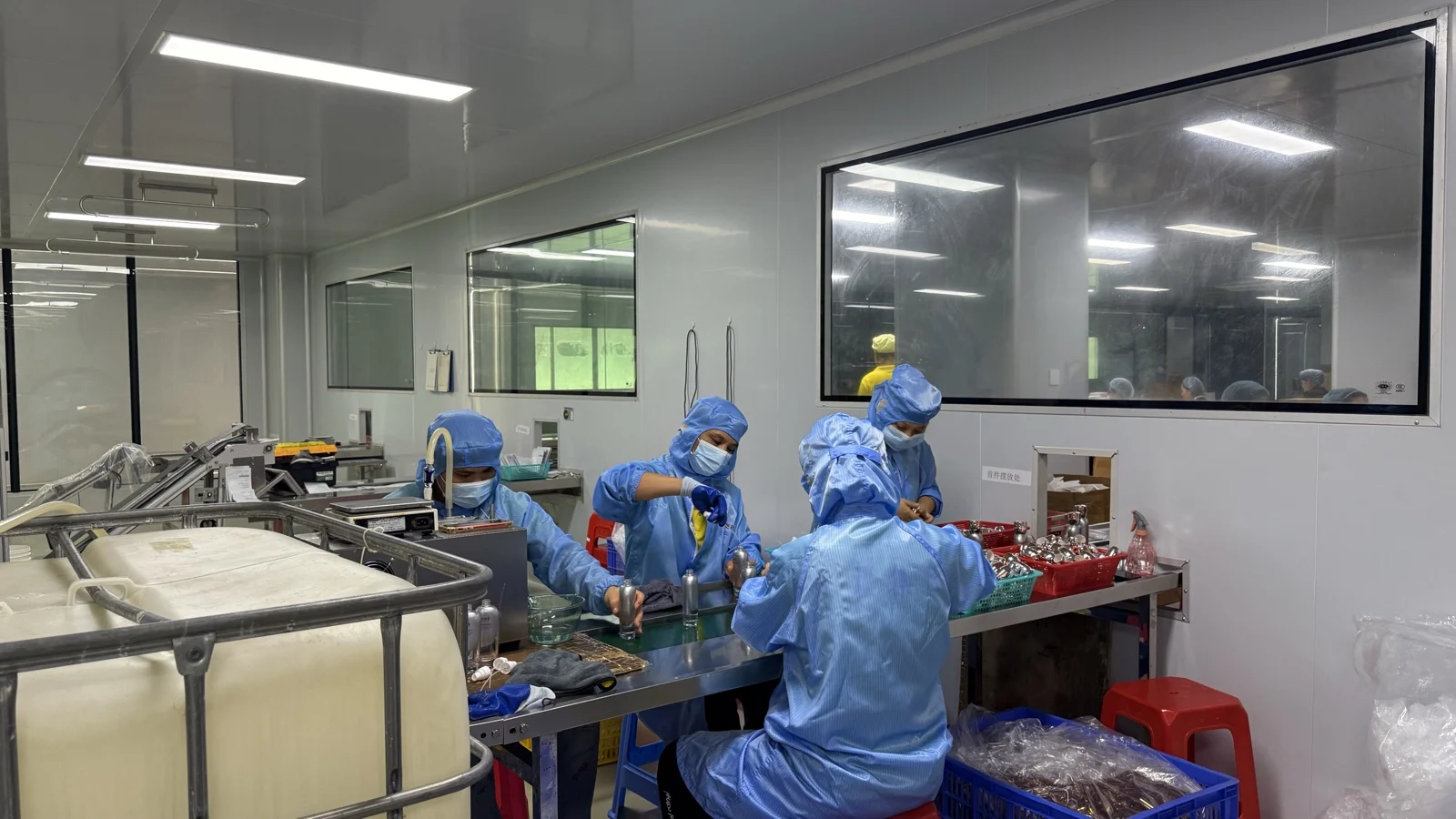
Body Care Manufacturer Philippines: The CPN Reality
Choosing a body care manufacturer for the Philippines: why you cannot hold your own CPN, how per-variant notification multiplies across a body range, and what it costs.
Read Article →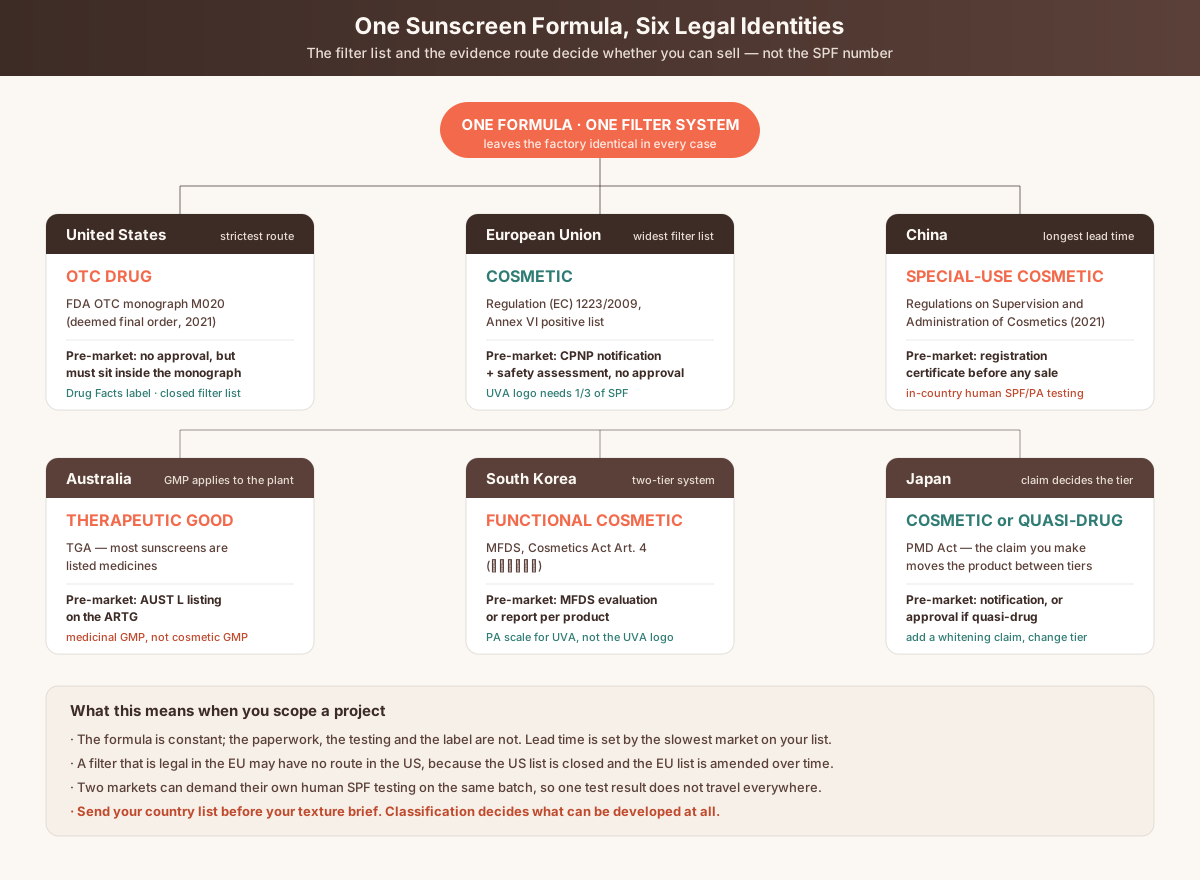
Sunscreen Regulations by Market: 6 Markets Compared (2026)
Sunscreen is an OTC drug in the US, a cosmetic in the EU and a medicine in Australia. How six markets classify it, and what that does to your launch date.
Read Article →
SFDA Cosmetics Registration in Saudi Arabia: GHAD Route
SFDA cosmetics registration in Saudi Arabia: why GHAD listing is not approval, who can legally be the notifier, and the documents a China factory must supply.
Read Article →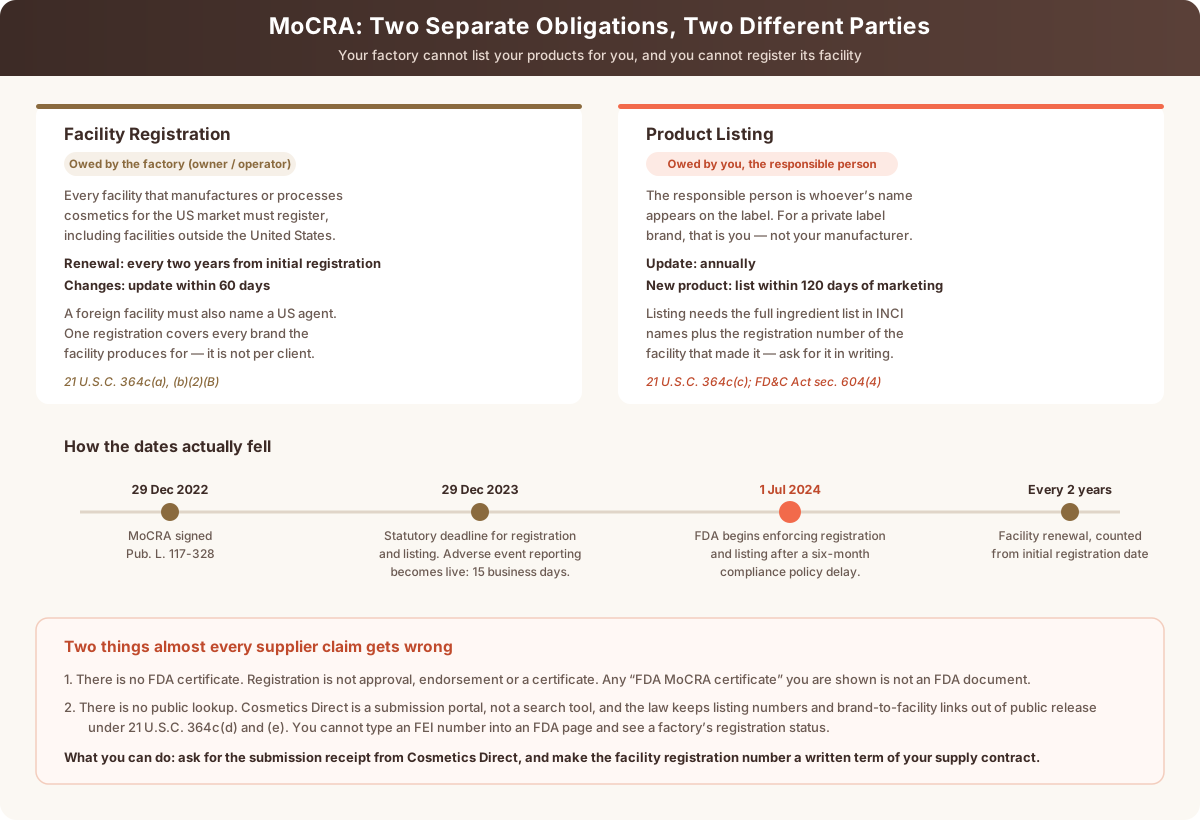
MoCRA Compliance for Cosmetics: What Brands Must File in 2026
MoCRA compliance: your factory registers its facility, you list your products. The real enforcement dates, the 120-day rule, and why no FDA certificate exists.
Read Article →
Private Label Cosmetics Europe: EU Compliance Guide (2026)
Private label cosmetics for Europe: the Responsible Person you must appoint, CPNP notification, the PIF your factory has to build, and Regulation 1223/2009.
Read Article →
Philippines FDA Cosmetics Registration (CPN): OEM Guide
Philippines FDA cosmetics registration: how the Certificate of Product Notification (CPN) works, who can hold it, and the documents a China factory supplies.
Read Article →
ASEAN Cosmetics Directive: Regulations for All 6 Markets
The ASEAN Cosmetic Directive explained: the notification route per member state, labelling requirements, the ingredient annexes, and what your factory supplies.
Read Article →
Vietnam Cosmetics Market 2026: Registration & OEM Guide
Vietnam cosmetics market guide for OEM brands: DAV product notification, labeling rules, K-beauty demand, e-commerce channels, and China OEM.
Read Article →
Private Label & White Label Cosmetics: Malaysia & Singapore
How to launch a private label cosmetics brand in Malaysia and Singapore: NPRA registration, Halal certification, and why Chinese OEM offers the best path.
Read Article →
Cosmetic Product Registration in Thailand: TFDA Steps & Fees
Cosmetic product registration in Thailand: the TFDA notification process, PIF duties, three-year validity, documents, timelines and fees.
Read Article →
Indonesia Cosmetic Regulations & BPOM Registration Guide
The complete BPOM registration process for cosmetics in Indonesia. Step-by-step guide to documents, halal certification, timelines, and costs for OEM brands.
Read Article →What Is GMPC? ISO 22716 Meaning, Certification Cost & How to Verify
GMPC (Good Manufacturing Practice for Cosmetics) means a factory follows ISO 22716, the international GMP standard. Learn what GMPC covers, how to verify a supplier's certificate, and typical certification cost.
Read Article →Have a Question We Haven't Covered?
Our team is happy to answer specific questions about cosmetics manufacturing, sourcing, and compliance.
Ask Us Anything