
Insights for Cosmetic Buyers
Expert guides on cosmetics manufacturing, sourcing, compliance, and formulation trends. Written by our technical team to help you make informed decisions.
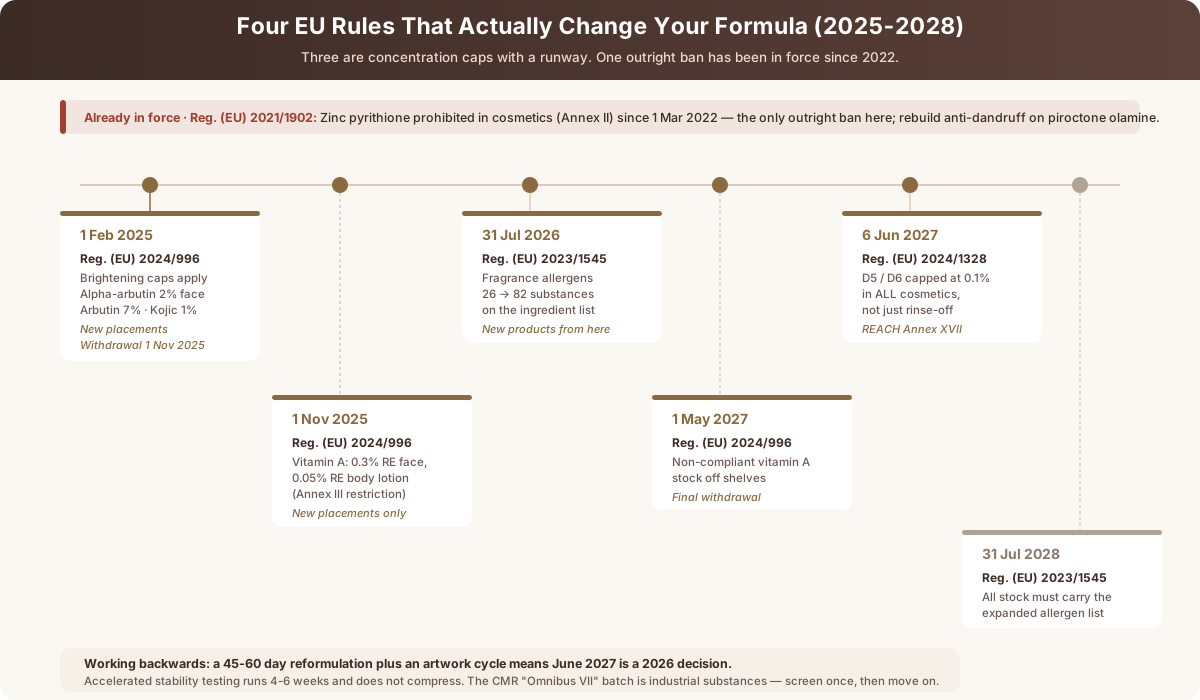
Banned Cosmetic Ingredients EU: The Four Rules That Matter
The EU's long banned-ingredient list is not what forces a reformulation. Four instruments do: the vitamin A cap, 82 fragrance allergens, the D5/D6 siloxane limit, and the zinc pyrithione ban. What each changes, what replaces it, and the 45-60 day timeline.
Read Article →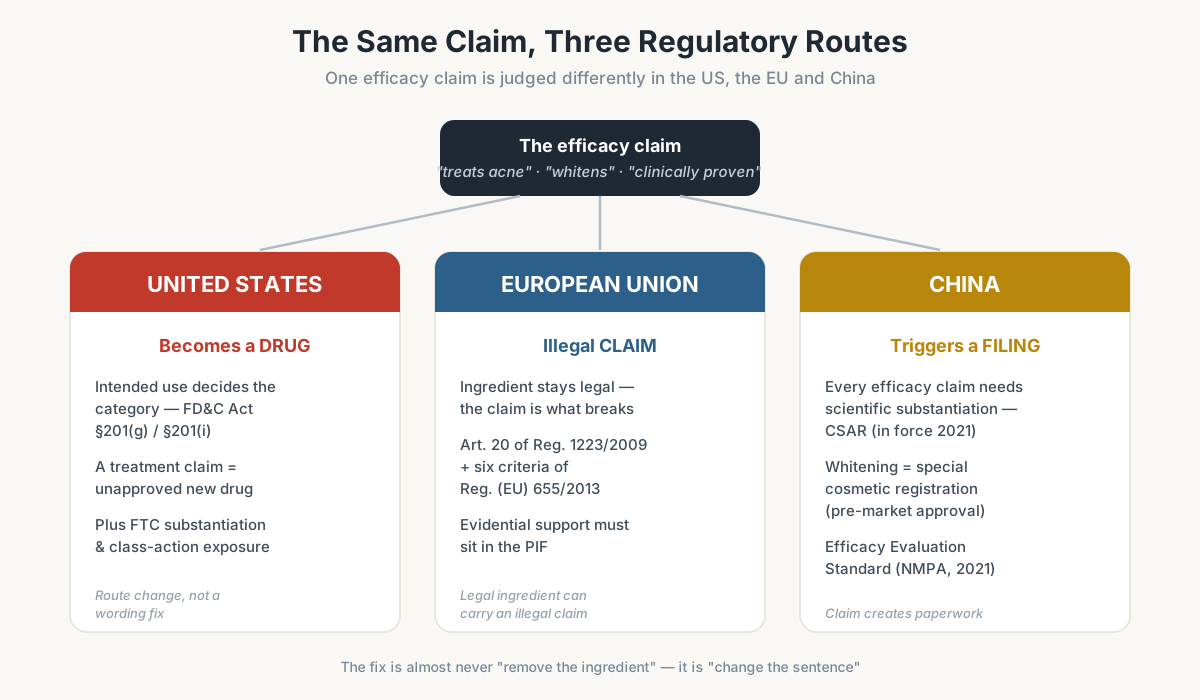
Cosmetic Claims Compliance: What Turns a Cosmetic Into a Drug (US, EU, China)
A single efficacy claim can turn a cosmetic into an unapproved drug in the US, an illegal claim in the EU, and a filing trigger in China. The words on the label decide the regulatory route — not the ingredient list. What each market polices, and how to word claims that stay cosmetic.
Read Article →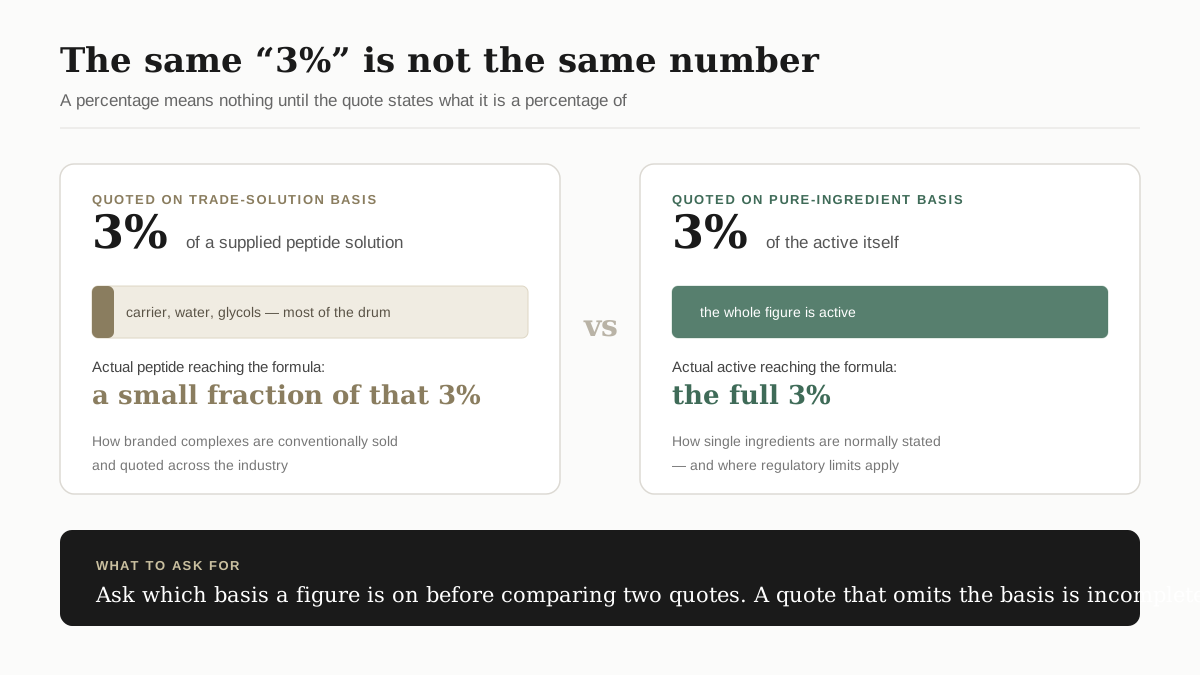
Anti-Aging & Firming Skincare OEM: Peptide Dosage Tiers
Anti-aging OEM quotes differ tenfold on the same 3% peptide because trade-solution and pure-peptide bases are not the same number. Dosage tiers, claim limits and lead times.
Read Article →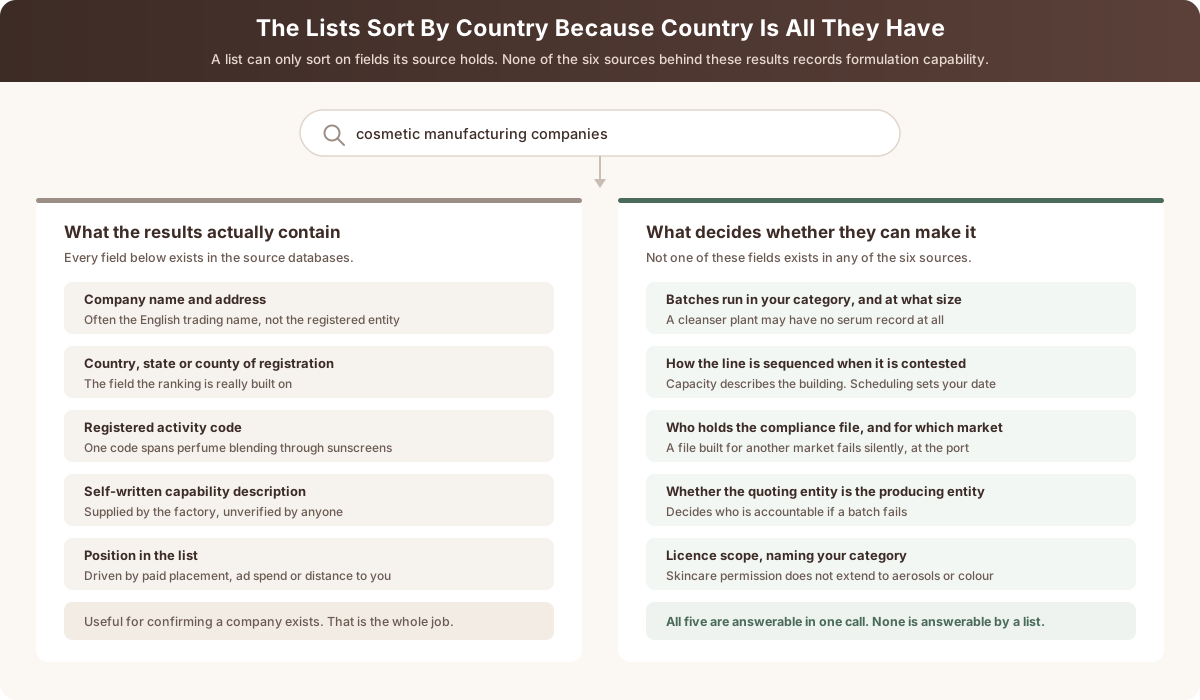
Cosmetic Manufacturing Companies: How the Lists Are Built (2026)
Lists of cosmetic manufacturing companies come from industry codes, paid directories and facility registers. None of them records formulation capability.
Read Article →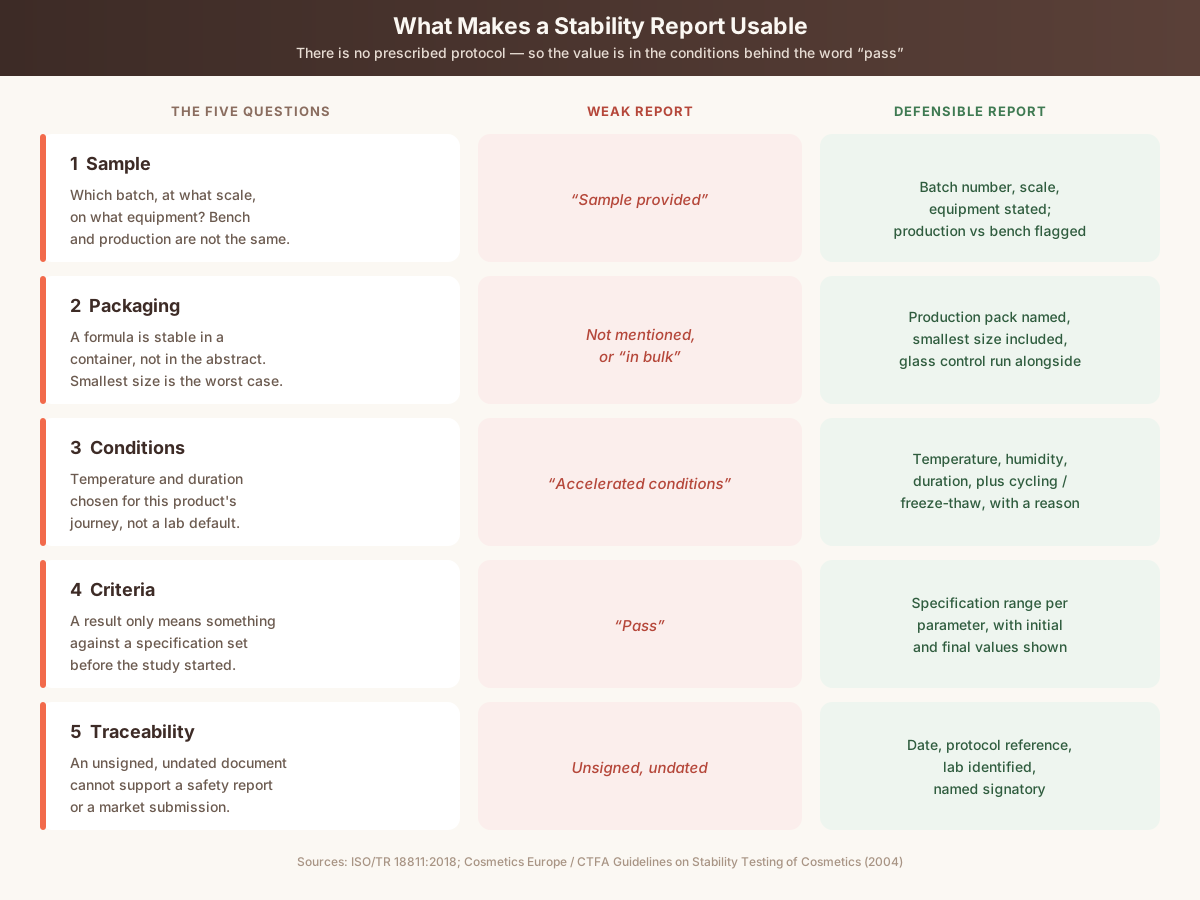
How to Read a Cosmetic Stability Testing Report (2026)
There is no legally prescribed protocol for cosmetic stability testing, so a report that only says "pass" tells you almost nothing. The five things to check before you trust a shelf life.
Read Article →
Color Cosmetics Private Label: The Pigment Rules
What separates a color cosmetics private label manufacturer from a skincare one: pigment approval lists, certified lot numbers, eye and lip use permissions, and heavy metal limits across the US, EU and Southeast Asia.
Read Article →Skincare Formulation Cost: What Published Prices Actually Include
Skincare formulation cost broken down from published lab price lists and real contracts: development fees from $4,500 to $15,000, testing list prices, and the formula ownership clause that decides what you really paid for.
Read Article →
SFDA Cosmetics Registration in Saudi Arabia: GHAD Route
SFDA cosmetics registration in Saudi Arabia: why GHAD listing is not approval, who can legally be the notifier, and the documents a China factory must supply.
Read Article →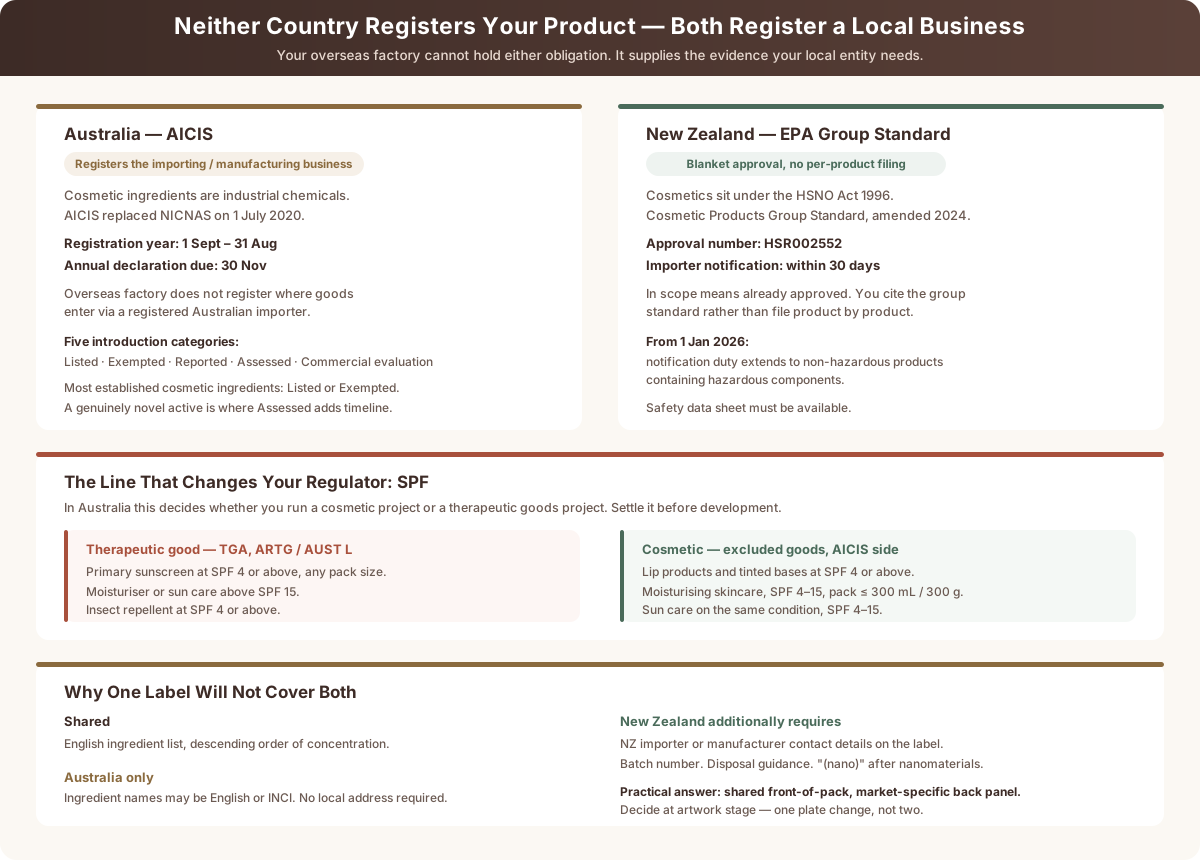
Cosmetics Manufacturer for Australia & New Zealand
Sourcing cosmetics from China for Australia and New Zealand: the AICIS and EPA split, the sunscreen SPF threshold that reclassifies you under the TGA.
Read Article →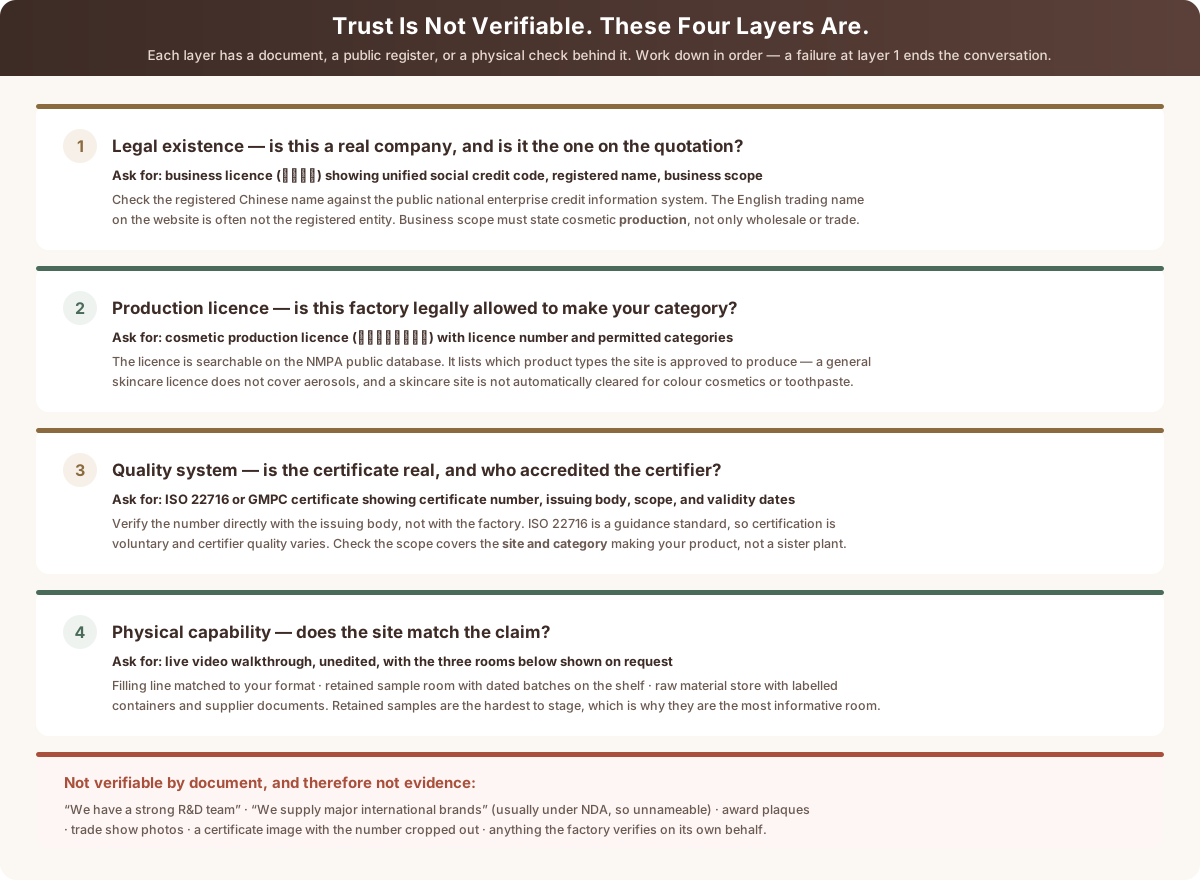
How to Find a Skincare Manufacturer You Can Trust
How to find a skincare manufacturer you can trust: a four-layer verification method covering business licence, production licence and certificate numbers.
Read Article →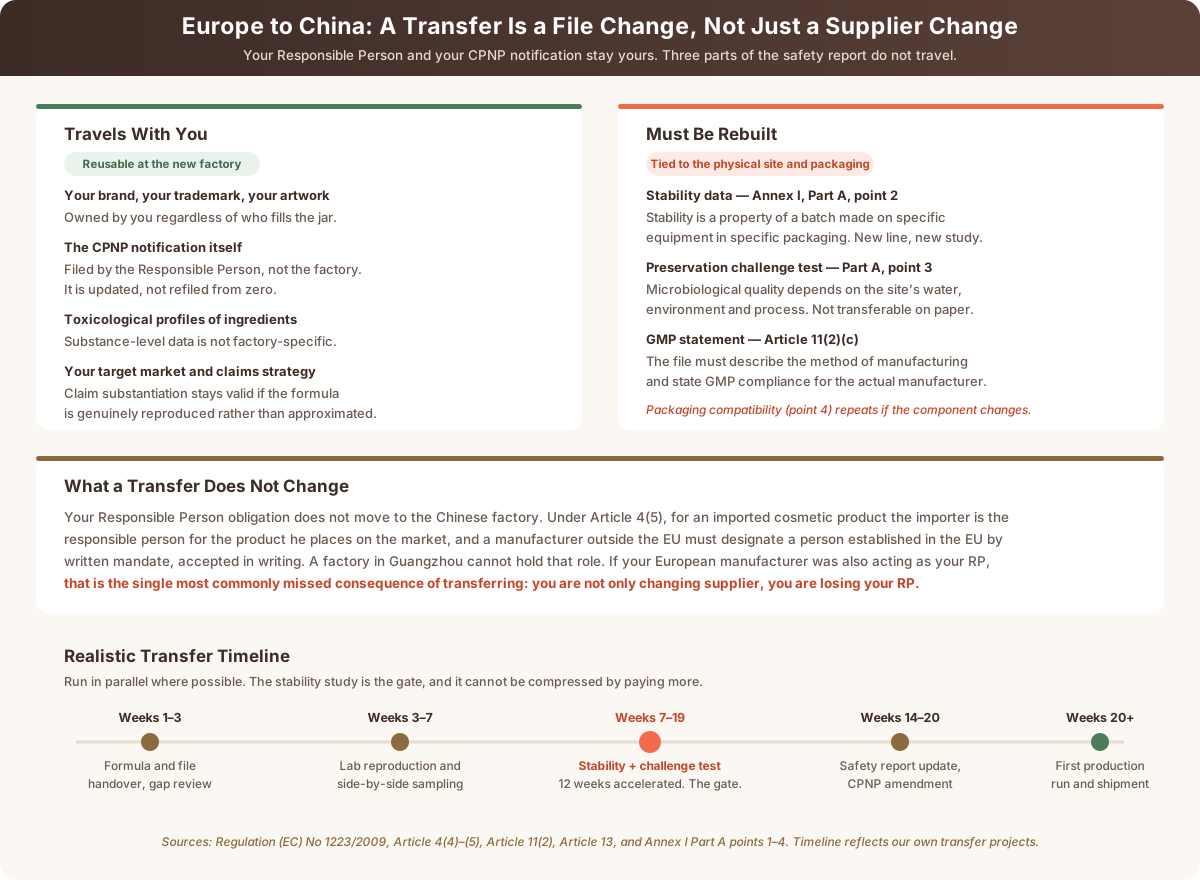
Europe vs China Cosmetics Manufacturer: Transfer Guide
Moving cosmetics production from Europe to China: what transfers under Regulation 1223/2009, why stability data must be rebuilt, and a realistic timeline.
Read Article →
Cosmetics Manufacturer for the Middle East: Saudi & UAE
What a China OEM must get right for the Gulf: the GSO 1943:2024 technical regulation, per-country registration, and bilingual Arabic labelling requirements.
Read Article →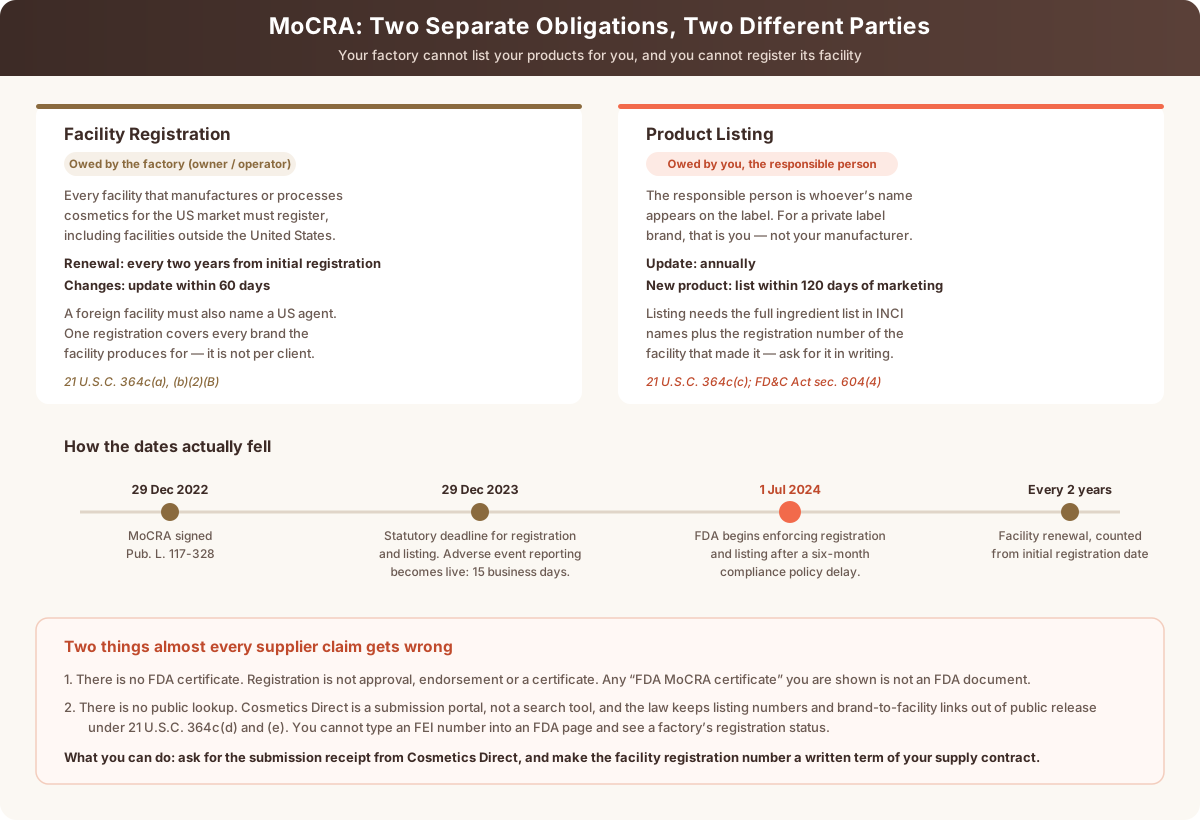
MoCRA Compliance for Cosmetics: What Brands Must File in 2026
MoCRA compliance: your factory registers its facility, you list your products. The real enforcement dates, the 120-day rule, and why no FDA certificate exists.
Read Article →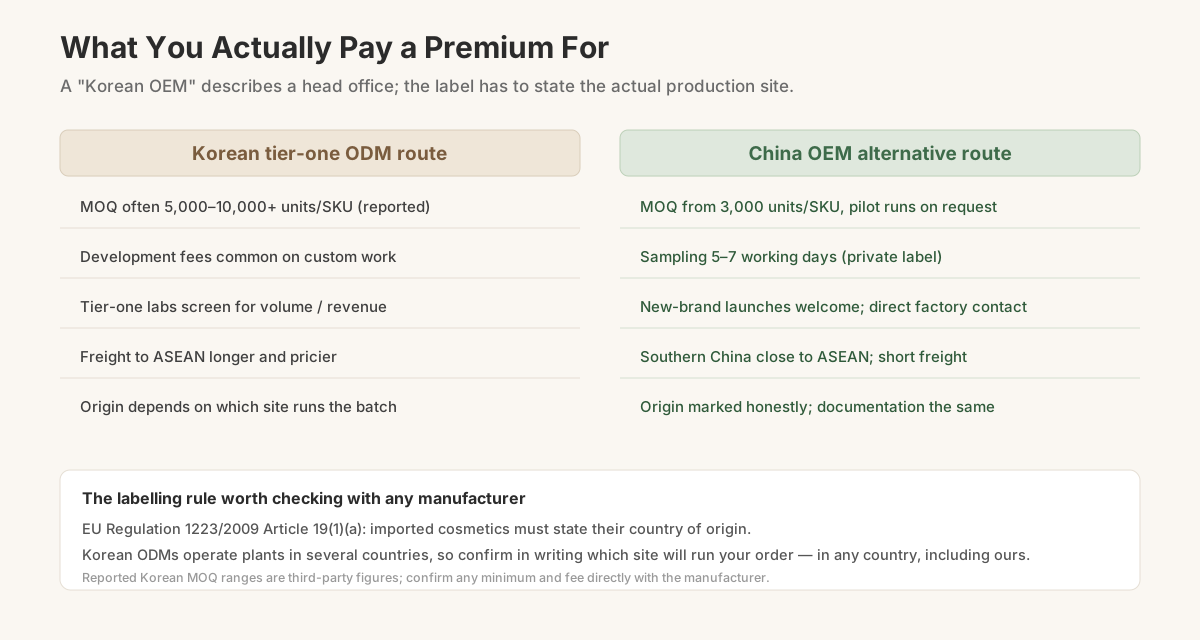
Korean Cosmetics OEM Alternative: When to Switch and How
Korean cosmetics OEM alternatives for brands blocked by high MOQs or development fees: what you keep, what you lose, and the country-of-origin rule to know.
Read Article →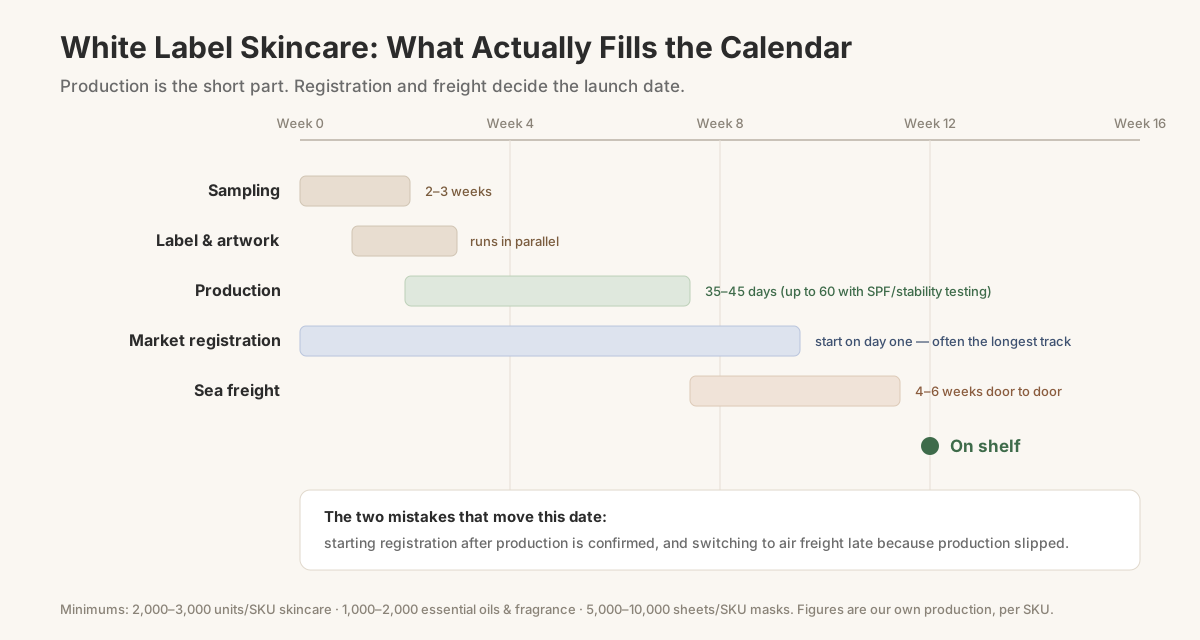
White Label Skincare: Categories, Real MOQs and Lead Times
White label skincare from the factory side: which categories work, real minimums of 2,000-3,000 units per SKU, 35-45 day production, and true landed costs.
Read Article →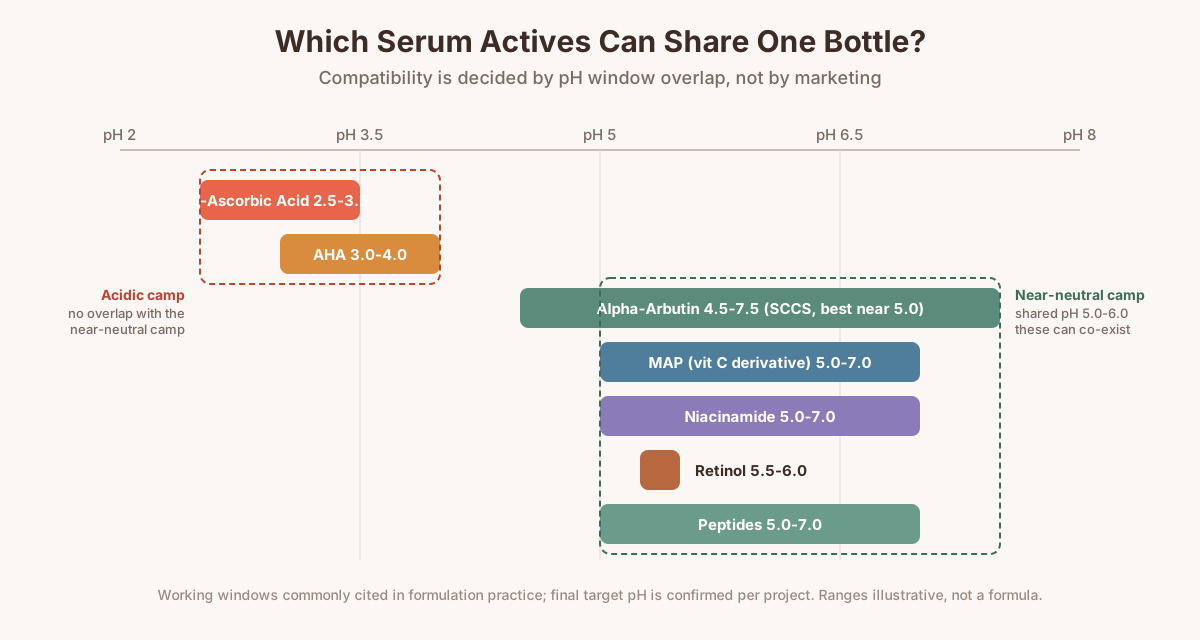
Face Serum Manufacturer: OEM & Contract Manufacturing Guide
Face serum manufacturing explained: stock versus custom formulas, the pH-window problem that decides whether your actives can share one bottle, MOQ and cost.
Read Article →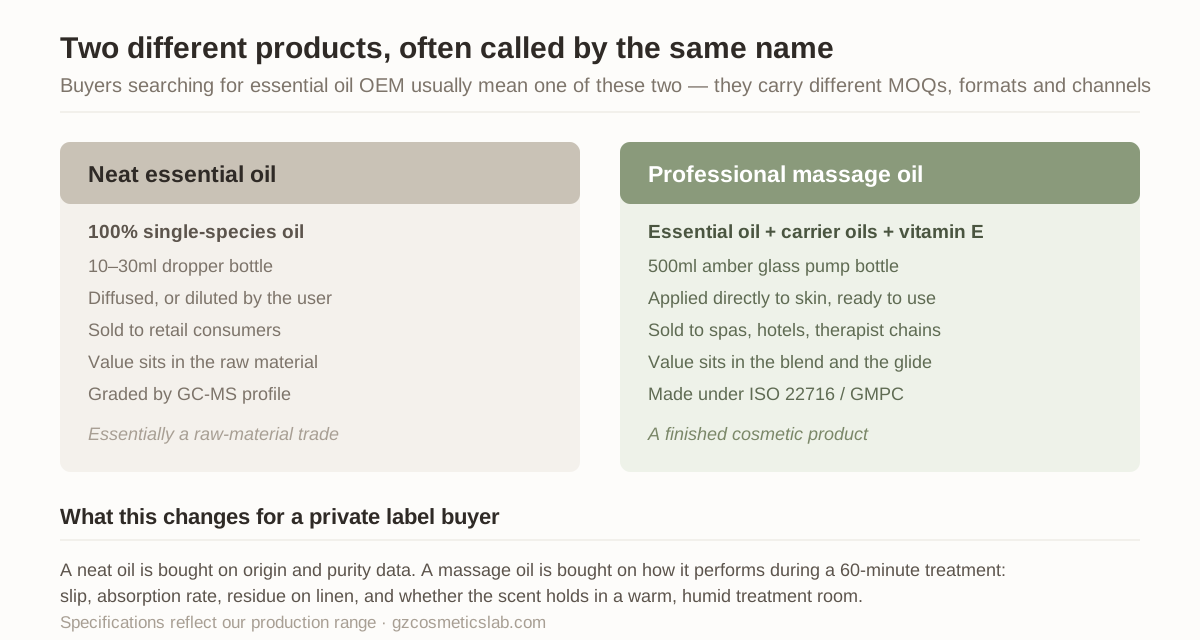
Private Label Massage Oil Manufacturer: Spa & Hotel Supply
Private label massage oil manufacturing for spa and hotel supply: why neat essential oil and professional massage oil differ, carrier oil selection, MOQ.
Read Article →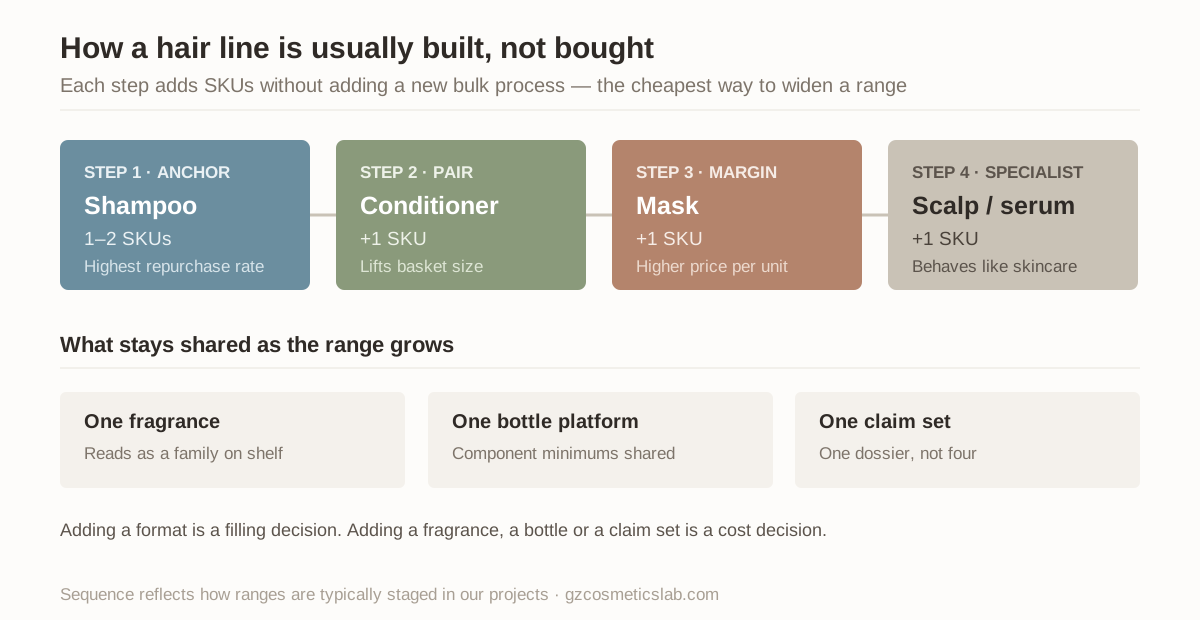
Private Label Hair Cosmetics: Building Your OEM Range
Planning a private label hair cosmetics range: which SKU to anchor with, how many products to launch, and what stays shared across a range to control cost.
Read Article →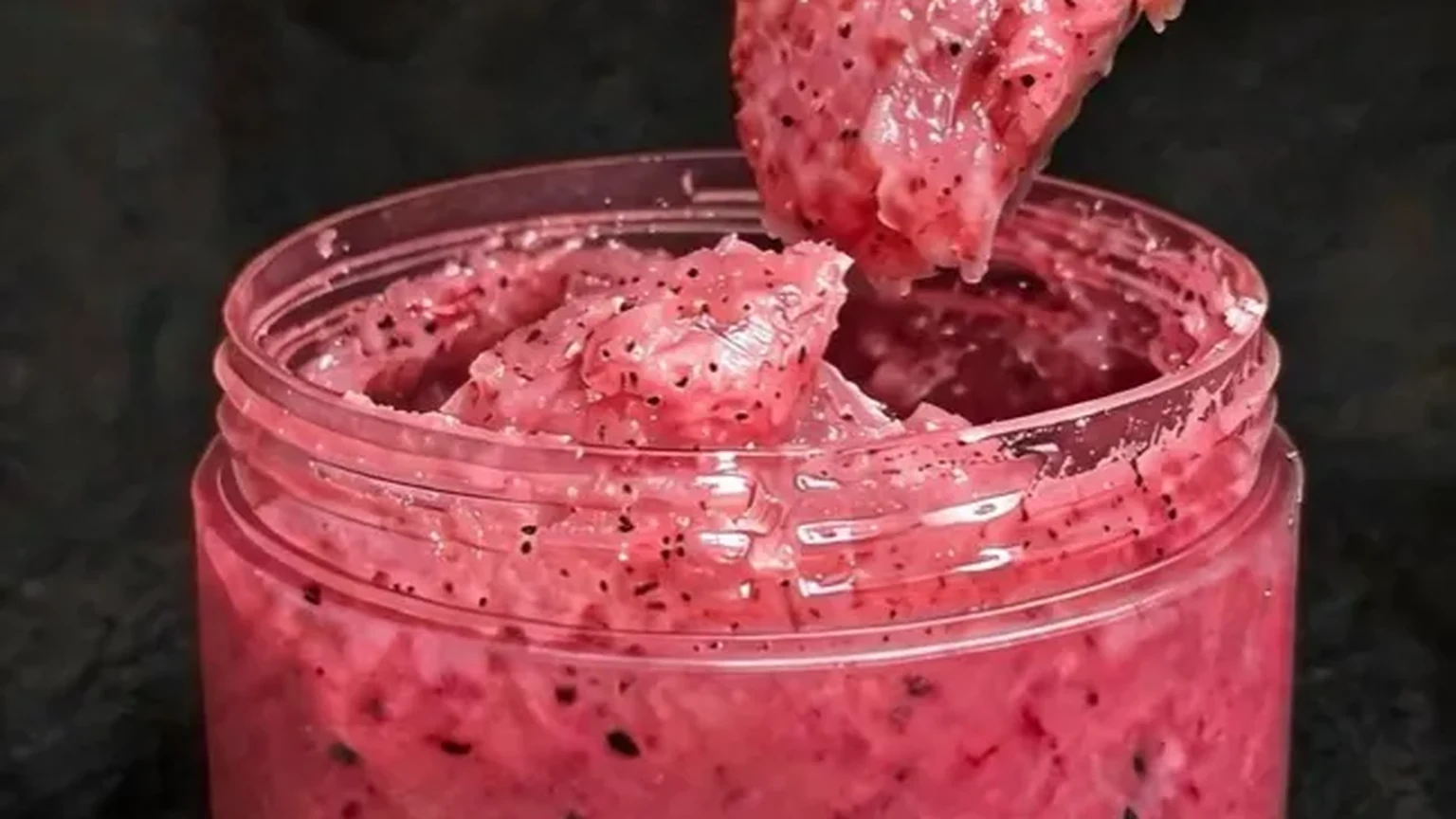
Private Label Body Care: Body Wash, Lotion & Scrub OEM
Private label body care economics: why a 300ml lotion is not ten times a 30ml serum, where MOQ of 2,000-3,000 pieces comes from, and why actives cost less.
Read Article →Private Label Skincare Manufacturers in China (Top 10)
How to compare private label skincare manufacturers in China: the five fields that decide a shortlist, what each certification actually covers, and how to verify every figure yourself.
Read Article →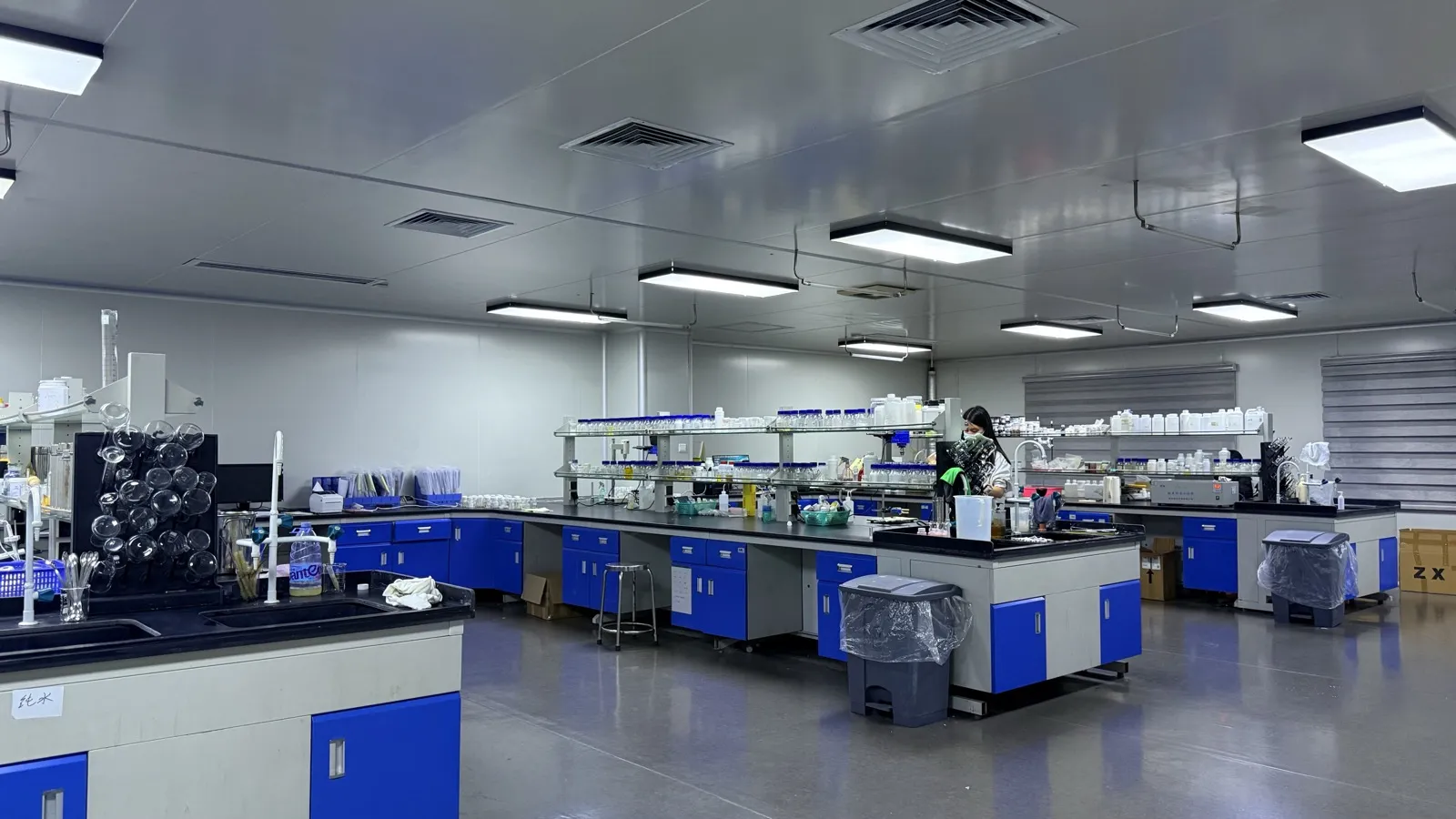
Private Label Cosmetics Europe: EU Compliance Guide (2026)
Private label cosmetics for Europe: the Responsible Person you must appoint, CPNP notification, the PIF your factory has to build, and Regulation 1223/2009.
Read Article →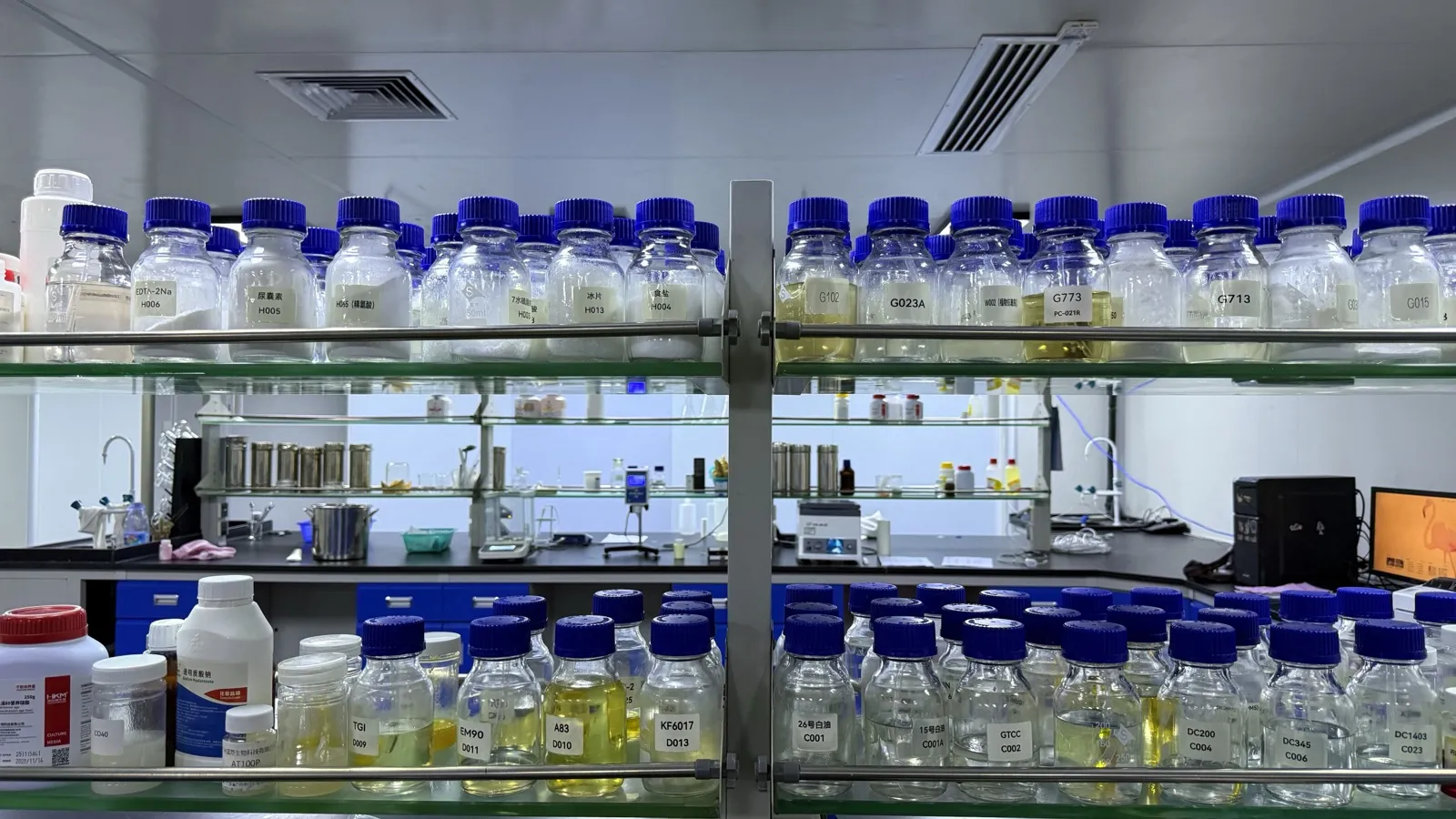
Vegan Private Label Cosmetics: OEM Manufacturing Guide
How vegan private label cosmetics are made: certification criteria, animal-derived ingredient substitutions with INCI names, and the documents certifiers want.
Read Article →
Philippines FDA Cosmetics Registration (CPN): OEM Guide
Philippines FDA cosmetics registration: how the Certificate of Product Notification (CPN) works, who can hold it, and the documents a China factory supplies.
Read Article →
Private Label Cosmetics: The Complete Launch Guide
Private label cosmetics explained end to end: what it means, which products you can brand, real costs and MOQ, and the path from idea to finished shelf stock.
Read Article →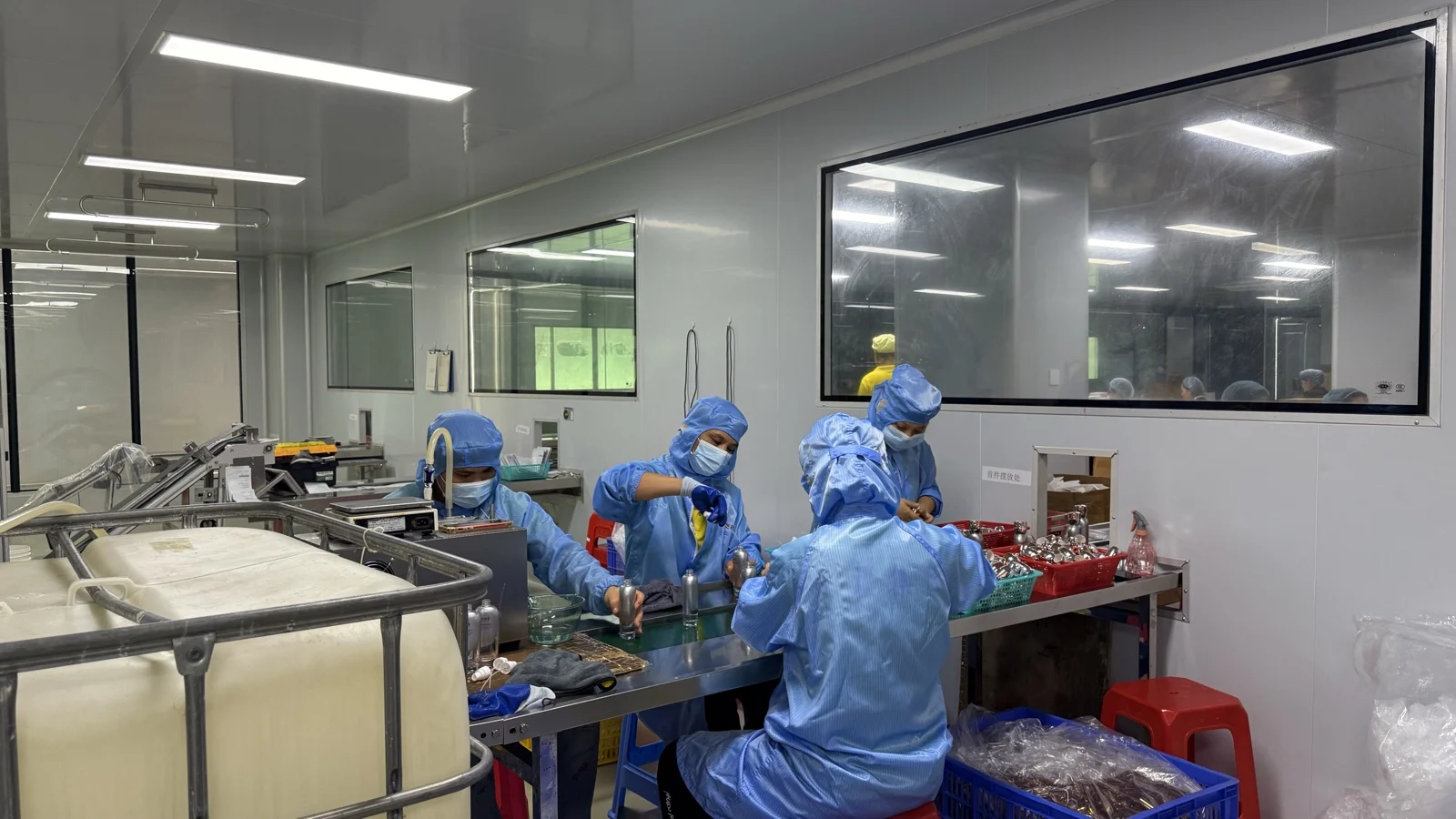
Cosmetic Contract Manufacturers: Scope, MOQ & Vetting
What cosmetic contract manufacturers cover, how to vet a China factory beyond the certificate, realistic MOQ and lead times, and the questions that matter.
Read Article →How to Choose a Skincare Manufacturer: A Buyer's Checklist
How to choose a skincare manufacturer: why skincare is harder to produce than colour cosmetics, how to match a factory to your category, and how to read MOQ.
Read Article →Private Label vs White Label vs Contract Manufacturing
Private label vs white label vs contract manufacturing: the real differences in formula ownership, exclusivity, cost and speed, so you pick the right model.
Read Article →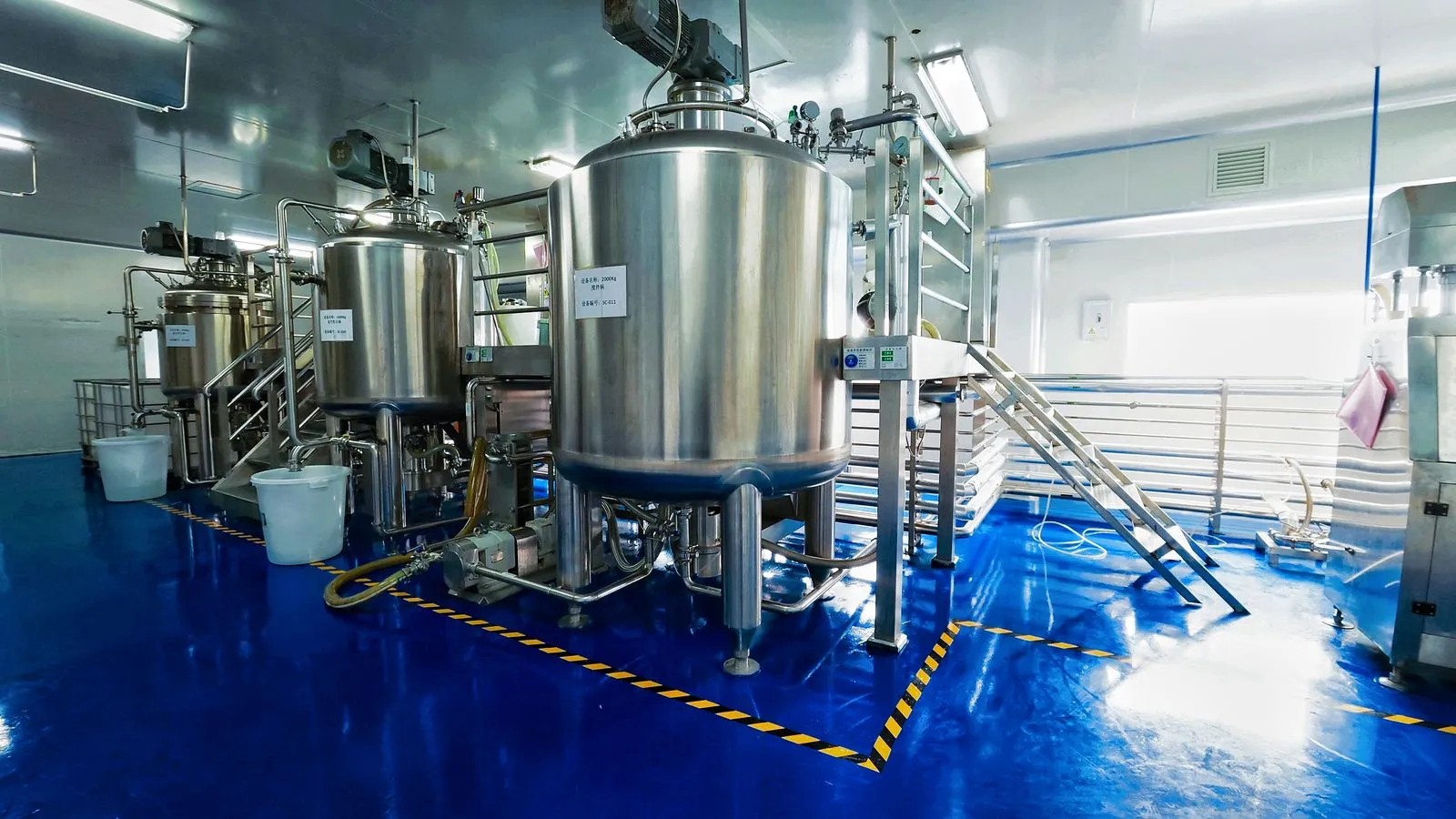
China vs Malaysia Skincare OEM: Price, MOQ & Quality
China vs Malaysia skincare OEM compared: price, MOQ, formulation depth, Halal, and lead times. An honest guide for Malaysian and ASEAN brands.
Read Article →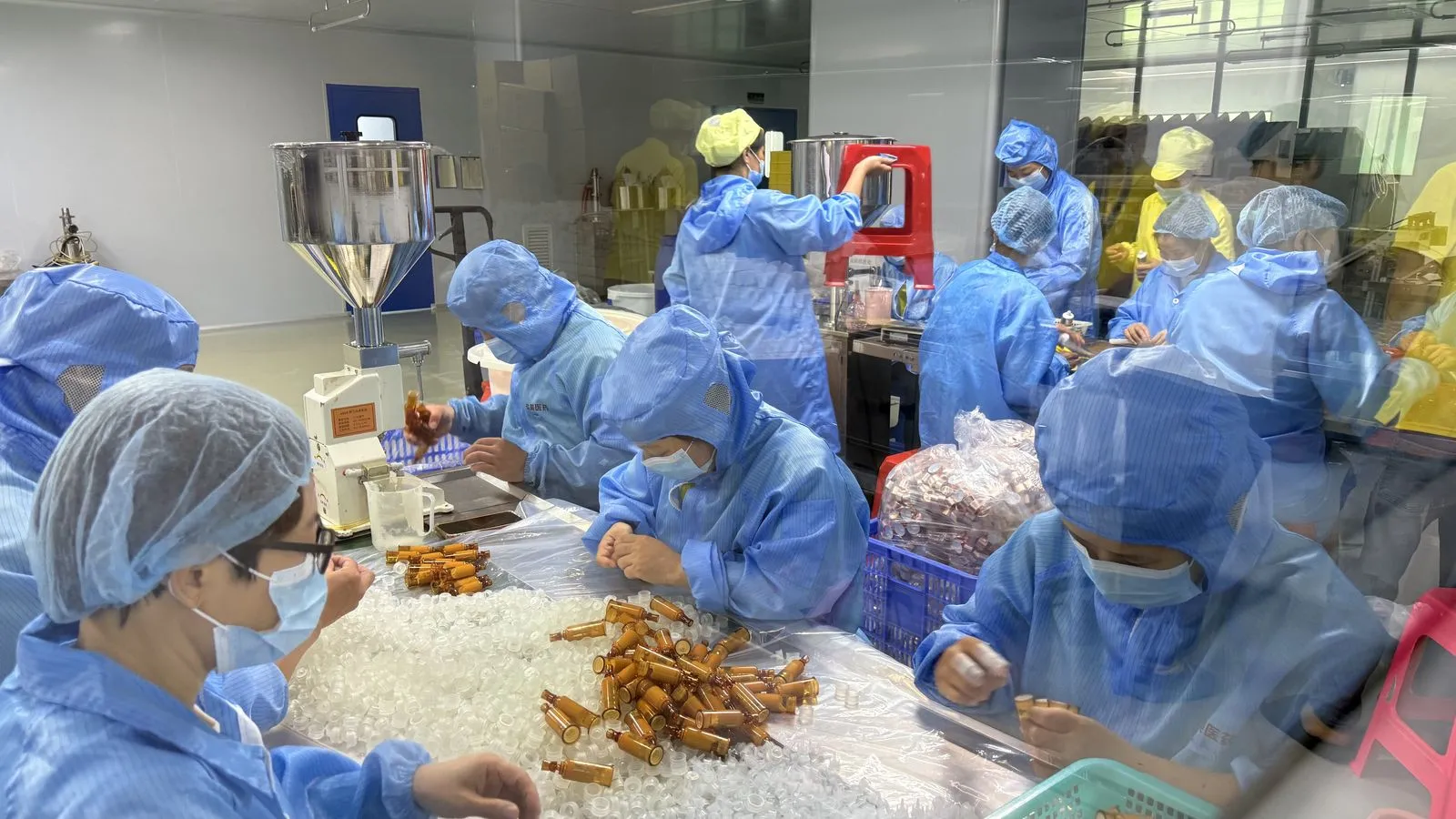
China vs Korea Cosmetics Manufacturer: Honest Comparison
China vs Korea cosmetics manufacturer compared for ASEAN brands: price, MOQ, formulation depth, trend speed, certifications, and how to decide.
Read Article →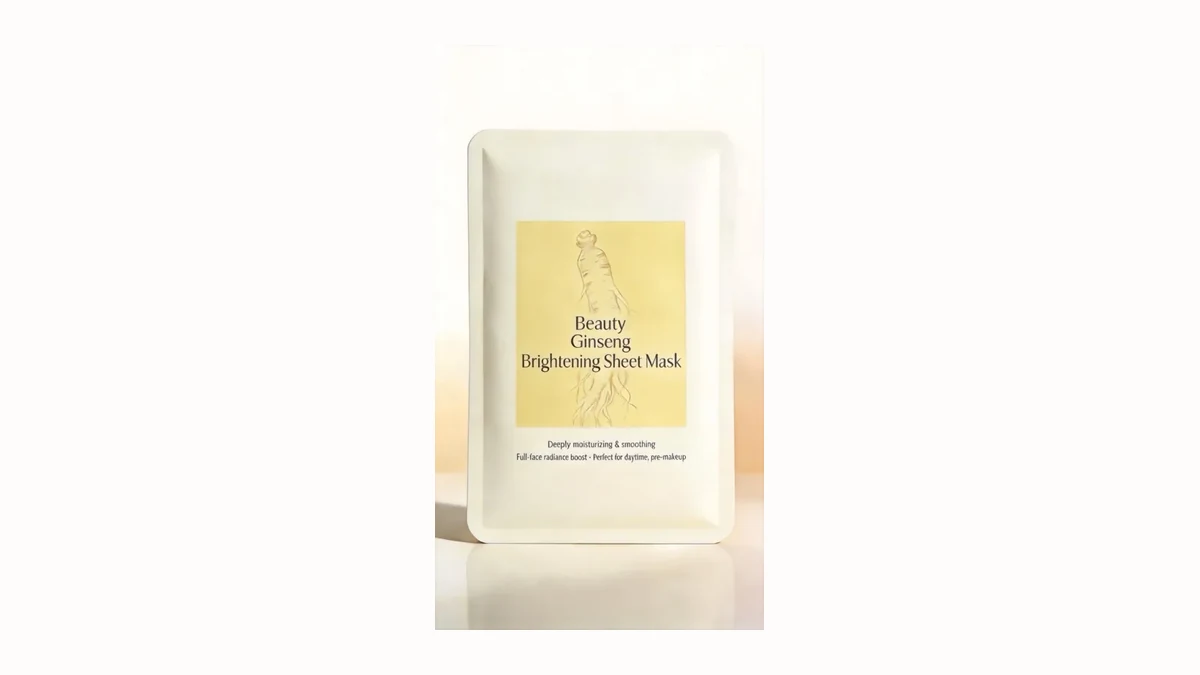
Private Label Sheet Mask Manufacturing for ASEAN Brands
Private label sheet mask manufacturing for Southeast Asia: materials, serum actives, low-MOQ production, packaging, and what makes a mask go viral.
Read Article →
Vietnam Cosmetics Market 2026: Registration & OEM Guide
Vietnam cosmetics market guide for OEM brands: DAV product notification, labeling rules, K-beauty demand, e-commerce channels, and China OEM.
Read Article →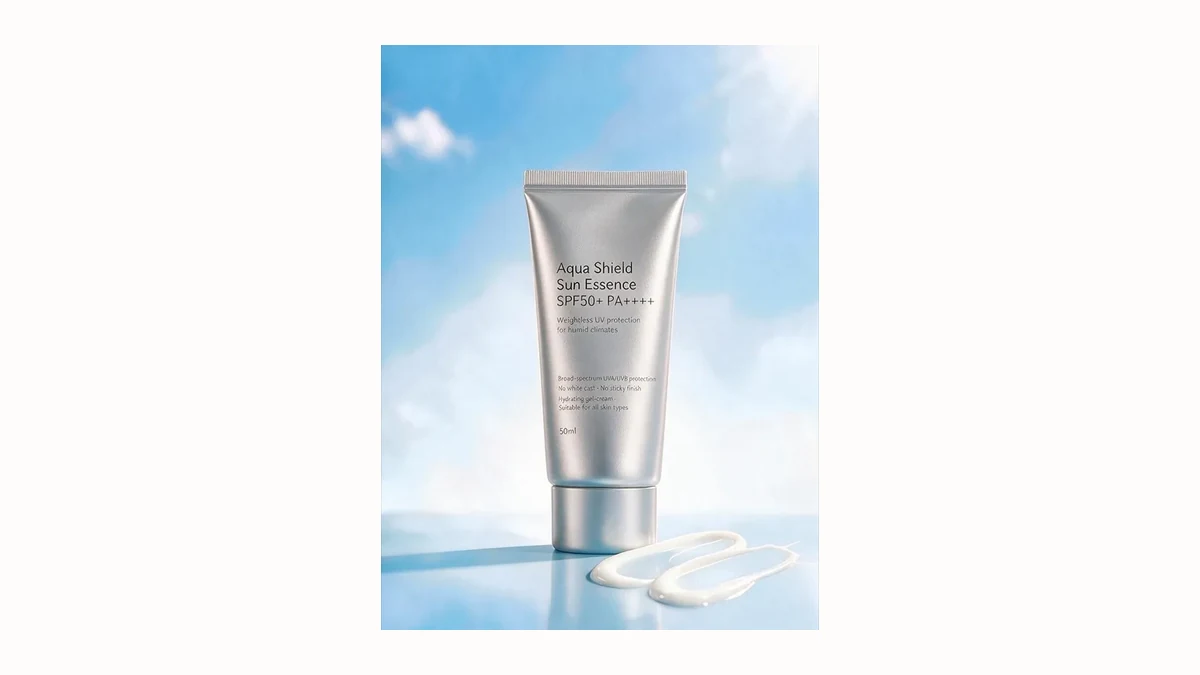
Sunscreen OEM for Southeast Asia: SPF50+ Tropical Formulas
Guide to tropical sunscreen OEM: SPF50+ filters, SPF/PA testing, ASEAN regulations, no-white-cast formulation, and Halal capability for Southeast Asia.
Read Article →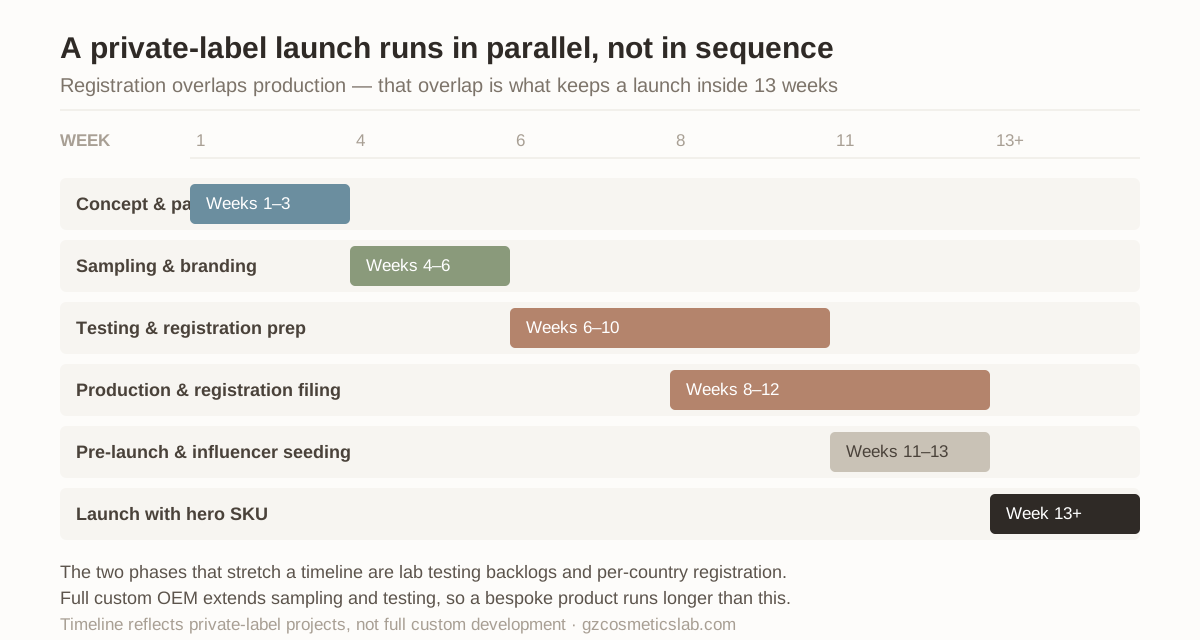
How to Start a Skincare Brand in Southeast Asia
Step-by-step guide to launching a skincare brand in Southeast Asia: choosing markets, positioning, budget, manufacturing, registration, and sales channels.
Read Article →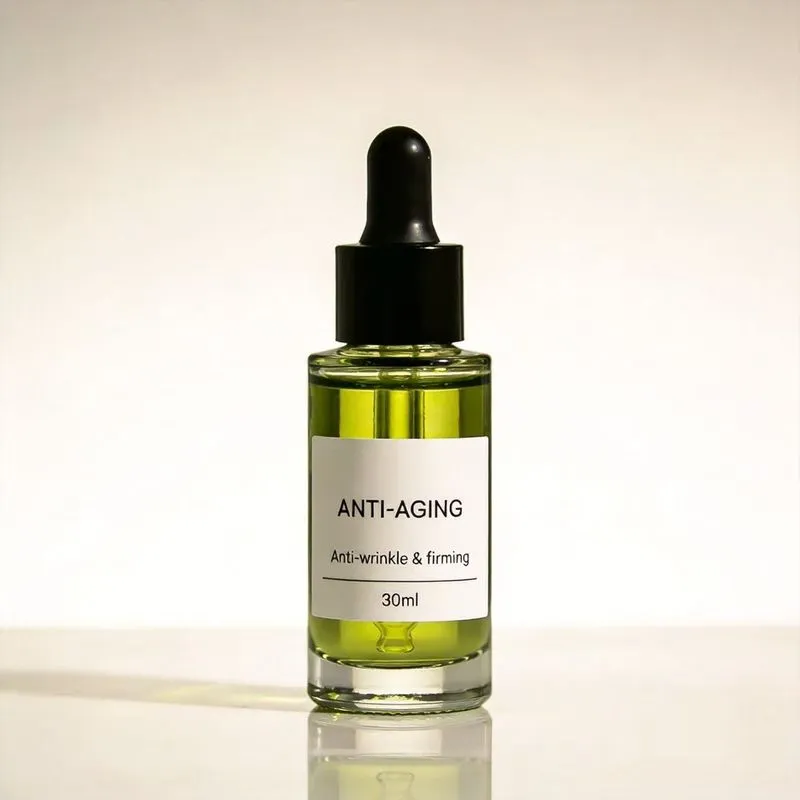
How to Start a Private Label Skincare Line: MOQ, Costs & Timeline
How to start a private label skincare line, step by step: what private label means, realistic MOQ, cost breakdown, timeline, and how to vet a manufacturer.
Read Article →OEM vs ODM Cosmetics: Market, Cost & MOQ Compared
OEM and ODM cosmetics manufacturing compared: how the ODM market has shifted, real cost ranges, MOQ, and who owns the formula in each model.
Read Article →How to Choose a Cosmetics Manufacturer in China: Checklist
Essential guide for choosing a cosmetics manufacturer in China. Certifications to verify, red flags to avoid, and key questions every buyer should ask.
Read Article →
What Is GMPC? ISO 22716 Meaning, Certification Cost & How to Verify
GMPC (Good Manufacturing Practice for Cosmetics) means a factory follows ISO 22716, the international GMP standard. Learn what GMPC covers, how to verify a supplier's certificate, and typical certification cost.
Read Article →Private Label Skincare & Cosmetics MOQ and Cost Guide
Private label cosmetics and skincare MOQ explained: minimums by product type, full cost breakdown, and how to optimize a first order with a China OEM.
Read Article →
Skincare Formulation Trends: PDRN, Exosomes & Ectoin
Guide to next-generation skincare actives: PDRN, plant exosomes, ectoin, ergothioneine, and S-Pro-Xylane. How they work and how to source them for your brand.
Read Article →OEM Skincare Manufacturer in China: Guide for ASEAN Brands
Find the right OEM skincare manufacturer in China. Cost, MOQ, Halal/GMP certifications, and a step-by-step process for Malaysian, Indonesian & Thai brands.
Read Article →Indonesia Cosmetic Regulations & BPOM Registration Guide
The complete BPOM registration process for cosmetics in Indonesia. Step-by-step guide to documents, halal certification, timelines, and costs for OEM brands.
Read Article →
Private Label & White Label Cosmetics: Malaysia & Singapore
How to launch a private label cosmetics brand in Malaysia and Singapore: NPRA registration, Halal certification, and why Chinese OEM offers the best path.
Read Article →
Cosmetic Product Registration in Thailand: TFDA Steps & Fees
Cosmetic product registration in Thailand: the TFDA notification process, PIF duties, three-year validity, documents, timelines and fees.
Read Article →
Best Skincare Ingredients for Tropical Climate
The best skincare ingredients for tropical climate formulation: niacinamide, hyaluronic acid, centella asiatica, delivery tech, and ASEAN market preferences.
Read Article →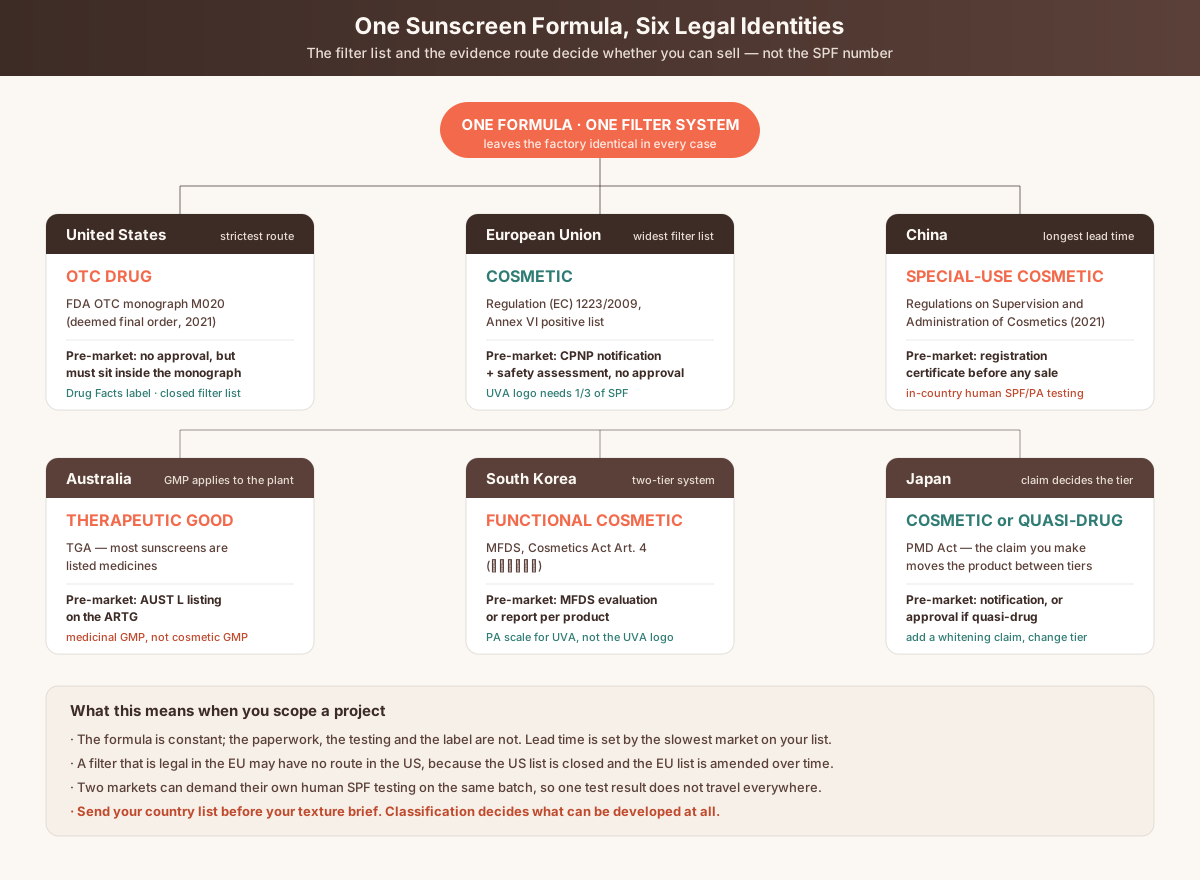
Sunscreen Regulations by Market: 6 Markets Compared (2026)
Sunscreen is an OTC drug in the US, a cosmetic in the EU and a medicine in Australia. How six markets classify it, and what that does to your launch date.
Read Article →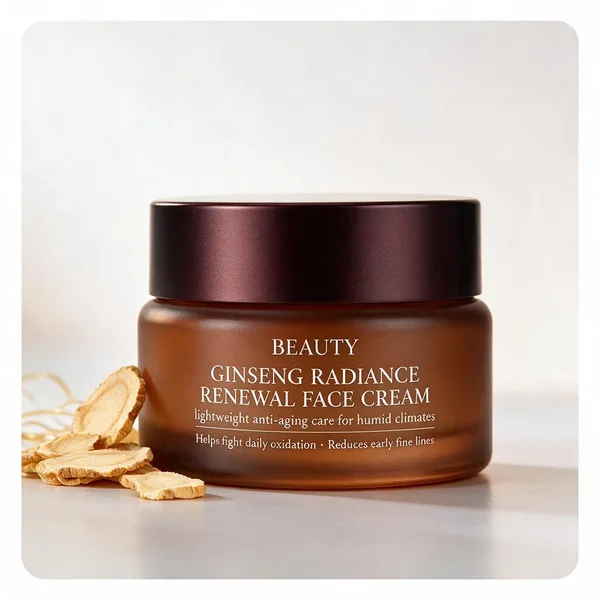
Whitening & Brightening Cosmetics OEM Manufacturer
OEM whitening and brightening products: which actives are permitted in which market, why claims decide your regulatory route, and realistic MOQ and lead times.
Read Article →
Hair Care & Body Care OEM for Tropical Markets
Hair care OEM for tropical markets: how humidity and hard water change a formula, why anti-dandruff demand is regional, and what to test before you commit.
Read Article →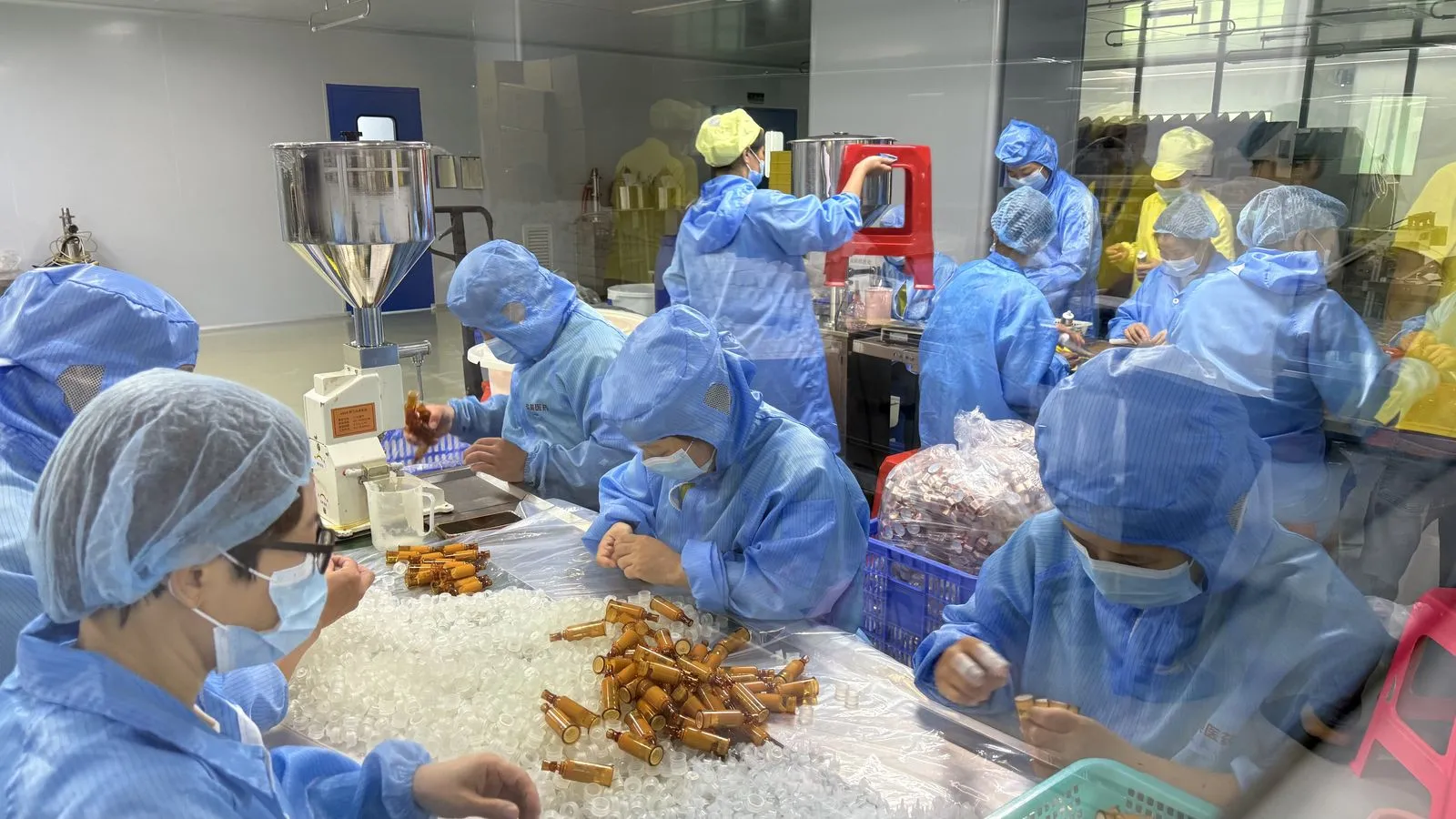
ASEAN Cosmetics Directive: Regulations for All 6 Markets
The ASEAN Cosmetic Directive explained: the notification route per member state, labelling requirements, the ingredient annexes, and what your factory supplies.
Read Article →Private Label Skincare Manufacturer in China: OEM Guide
What a private label skincare manufacturer actually hands you: quote line items, sample TDS, the pre-production file (COA, MSDS, stability, INCI), QC records.
Read Article →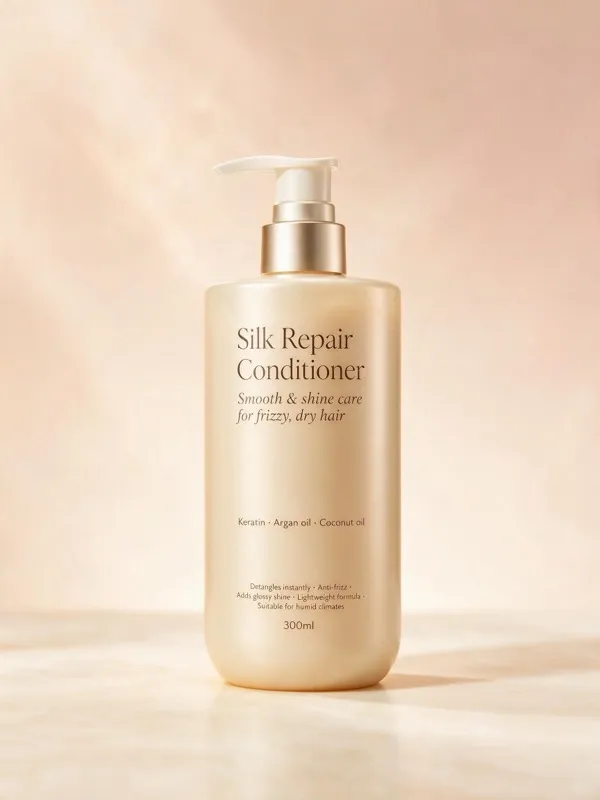
Private Label Hair Care: OEM Shampoo & Conditioner
Private label hair care OEM: what is adjustable in shampoo, conditioner, hair mask and scalp serum, how MOQ shifts with filling line, and where claims stop.
Read Article →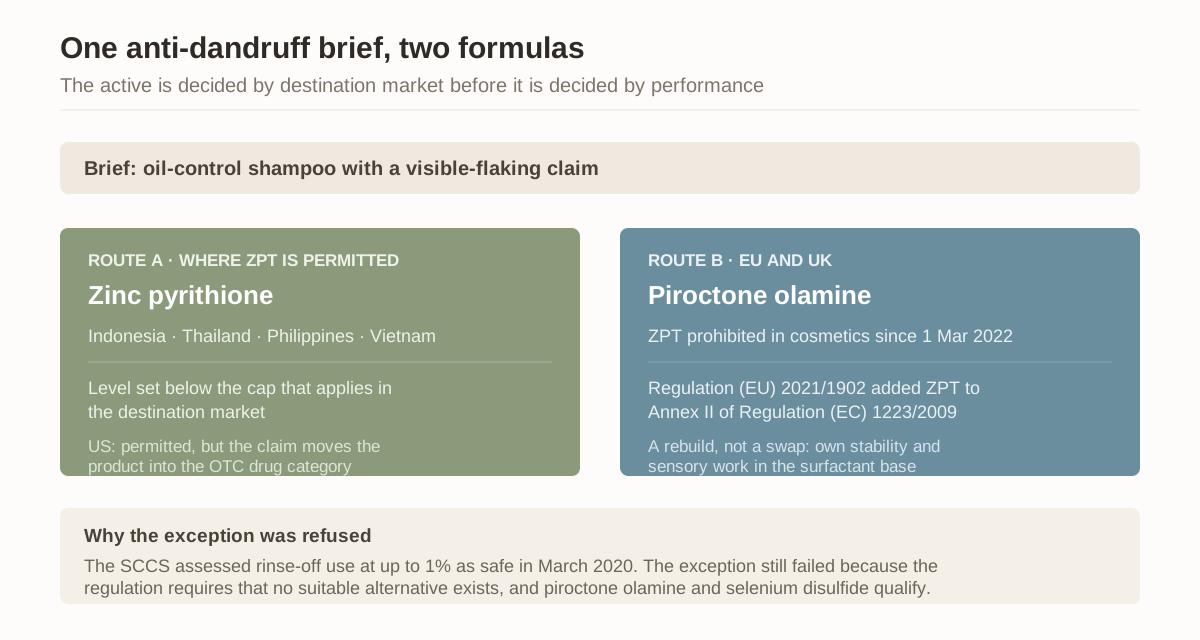
Oil Control Shampoo Manufacturer: OEM Formulation Guide
Oil control shampoo manufacturing explained: why stronger cleansing backfires, how the surfactant system decides day-two performance, real MOQ and lead times.
Read Article →Organic Private Label Cosmetics: Certification Explained
How organic private label cosmetics are certified: USDA NOP vs COSMOS thresholds, why water caps your organic percentage, and what a factory must supply.
Read Article →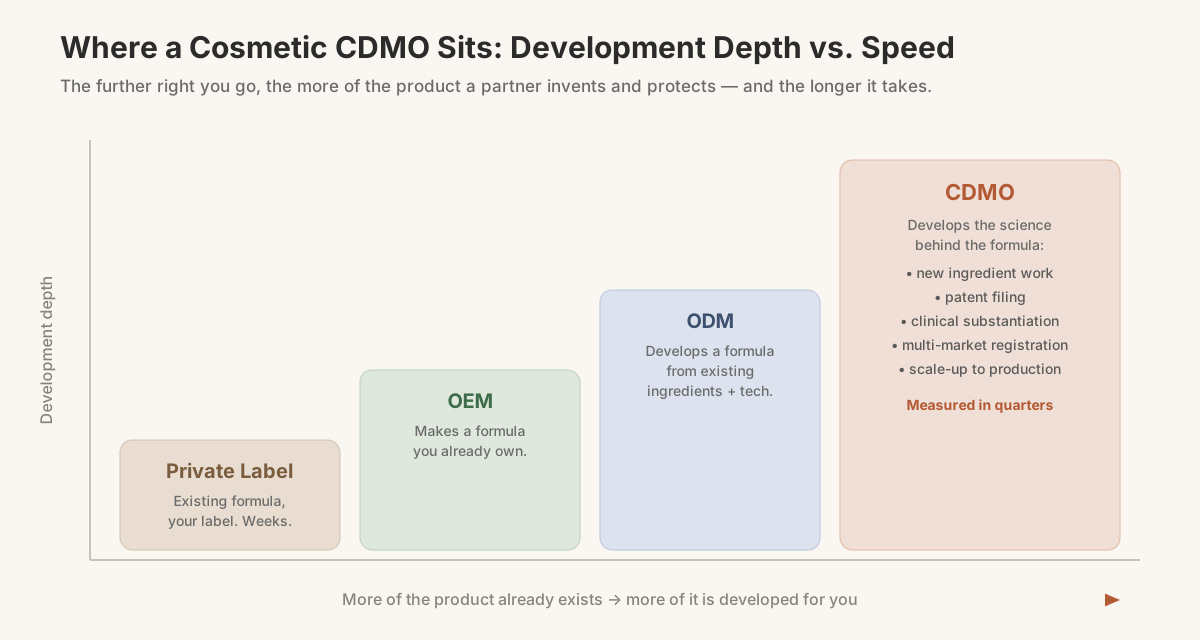
Cosmetic CDMO: What It Is, When You Need One, and Who Owns the IP
A cosmetic CDMO develops the science behind a formula, not just the formula. This guide explains what a CDMO engagement actually covers, when you need one instead of an OEM or ODM, who owns the resulting IP, realistic timelines and costs, and how single-dose and topical projects are scoped.
Read Article →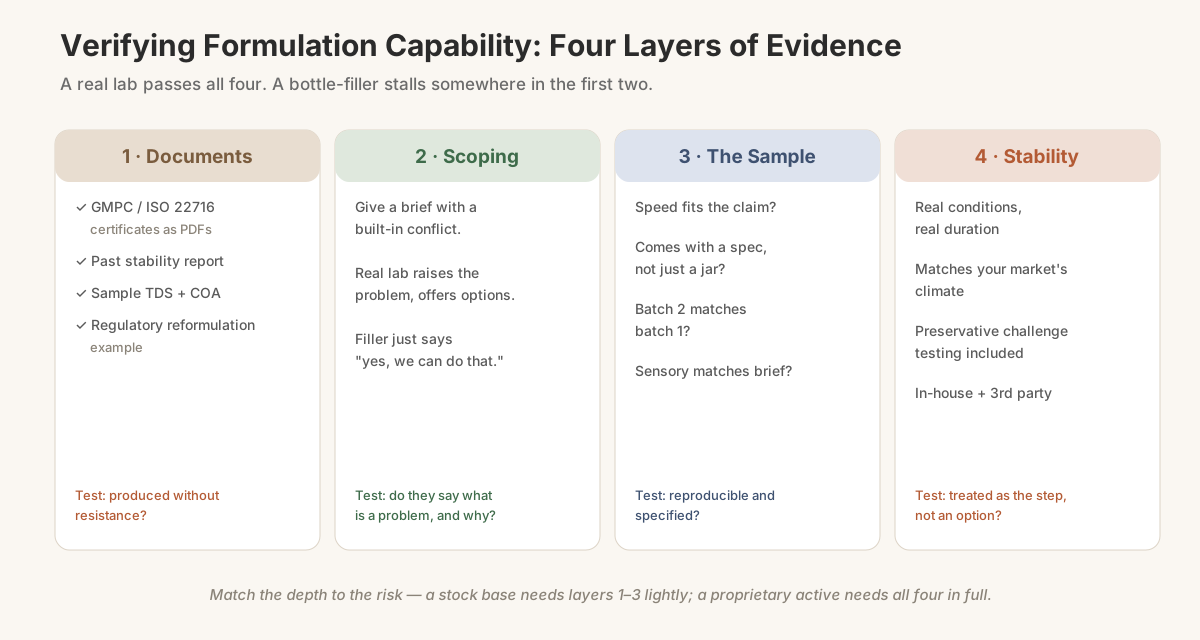
How to Verify a Cosmetics Manufacturer's Formulation Capability
How to verify a cosmetics manufacturer's formulation capability with evidence: the documents to request, the stability data to insist on, and the red flags.
Read Article →Soothing & Sensitive Skin OEM: The Claim Decides the Formula
In soothing skincare the regulatory risk sits in the verb, not the percentage. Menthol and capsaicin tiers, arnica and tea tree claim limits, centella basis, and the EU 655/2013 criteria that bite hardest.
Read Article →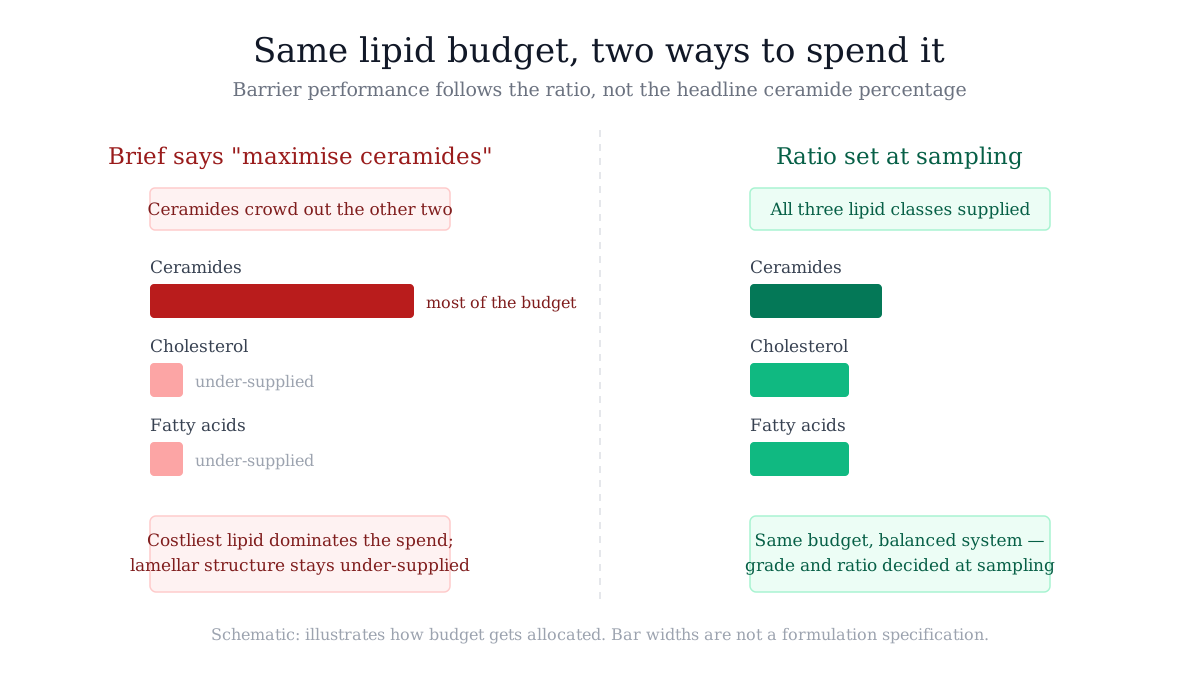
Hydrating & Barrier Repair OEM: Ceramide Ratio Over Percentage
A higher ceramide percentage is the wrong lever. Barrier performance follows the lipid ratio, not the headline number. Ceramide grades, centella basis, HA ceilings and claim limits.
Read Article →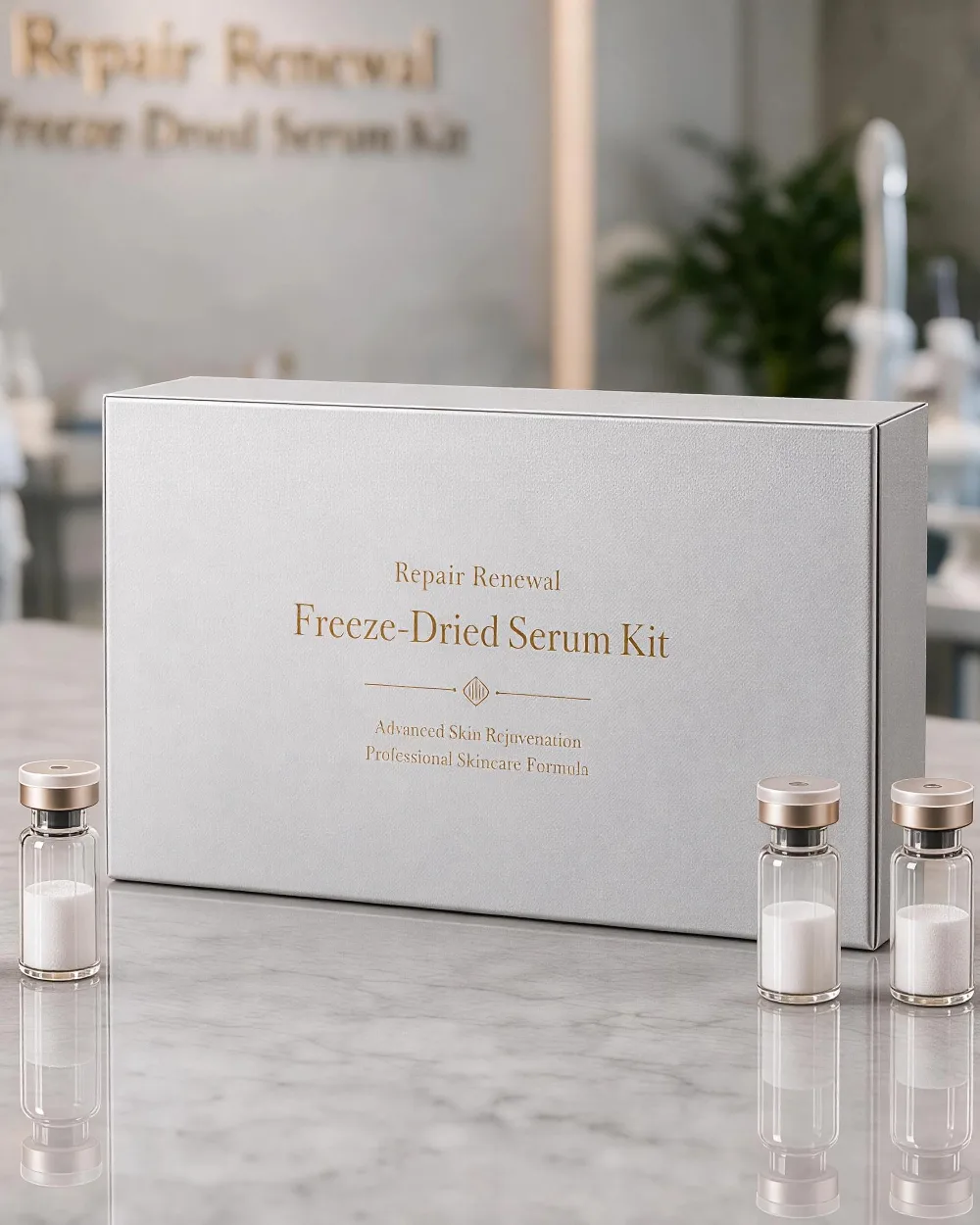
Freeze-Dried Serum OEM: Collapse Temperature Decides Your Cost
A lyophilised serum quote is really a quote for machine hours, and the formula's collapse temperature sets how many. Tg′ vs Tc, why published values shift with heating rate, USP <921> moisture methods, MOQ 3,000–5,000 sets, 50–70 days.
Read Article →Fragrance & Perfume OEM: Low MOQ, Class 3 Freight
Perfume minimums start at 1,000 bottles per SKU, lower than skincare, but alcohol-based fragrance ships as UN1266 Class 3 dangerous goods and the EU allergen list expanded to 82 substances on 31 July 2026. How to sequence a fragrance brief.
Read Article →Contract Cosmetic Packaging: The Format Sets the Minimum
Your MOQ is quoted per format, not per formula. Bottles, jars, tubes, sheets and sets each carry their own minimum, their own filling line and their own compatibility risk. How to sequence packaging decisions before tooling money moves.
Read Article →Body Care Manufacturer Philippines: The CPN Reality
Choosing a body care manufacturer for the Philippines: why you cannot hold your own CPN, how per-variant notification multiplies across a body range, and what it costs.
Read Article →Makeup Remover & Cleansing Balm OEM: 3 Removal Routes
Makeup remover OEM splits into three removal mechanisms, not three textures: micellar water, cleansing oil and cleansing balm each fail differently. Melt point, emulsifier load and peroxide value decide your sampling window, not the ingredient list.
Read Article →Have a Question We Haven't Covered?
Our team is happy to answer specific questions about cosmetics manufacturing, sourcing, and compliance.
Ask Us Anything